
The Silent Revolution: How Meditation Elevates the Human Spirit
Exploring the Profound Impact of Stillness on Mind, Body, and Soul

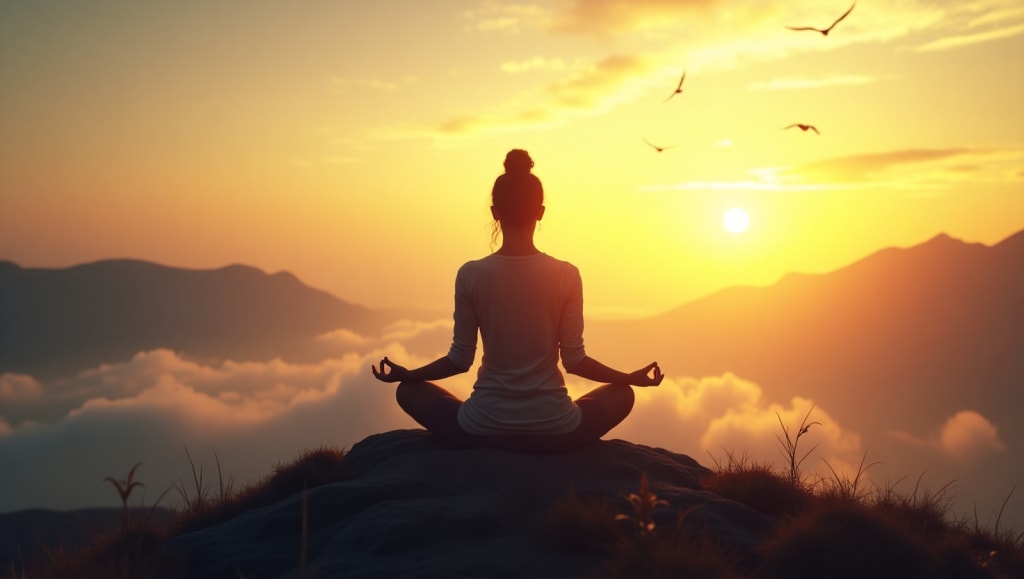
The quiet practice of meditation has gradually emerged from ancient traditions to become a human lifeline in the fast-paced world of modern living, where the mind is always rushing and the soul rarely stops breathing. Over millennia, meditation has demonstrated itself to be a potent, human-centered practice that can reset, realign, and reawaken the essence of what it means to be, in contrast to fads.
This goes beyond simply sitting on a mat with your legs crossed. It's a conscious protest against clamor, hurry, and emotional turmoil. It is the most personal introspective journey a human being can do; it is a path that is traveled by consciousness rather than feet.
Let's now examine the many advantages of meditation and how it contributes to a more complete, lucid, and lively human experience.
1. Meditation: A Human Mind Reset Button
With its tremendous capacity for intellect, creativity, and analysis, the human mind is a magnificent mechanism. However, when overused, it overheats like any other equipment. Anxiety rises, decision fatigue sets in, and thoughts jiggle like pinballs. Here comes the age-old technique of meditation, which cools a burning mind.
Regular meditation has been found to decrease activity in the default mode network (DMN), which is the part of the brain associated to stress and anxiety and is in charge of mind-wandering and self-referential thinking. For men, this simply means less worrying and greater focus.
Meditation gives the human mind a period of calm by allowing space between ideas. Just breathing, consciousness, and being—no alerts, no lists of things to do.
2. Emotional Alchemy: Using Silence to Transform Emotions
Meditation helps humans become emotionally independent in a society where emotions frequently rise more quickly than reason. It allows emotions to come and go with grace rather than stifling them. Sadness turns into tenderness. Anger gives way to consciousness. Breath replaces anxiety.
Humans are trained to notice emotions objectively through mindfulness-based activities, which are a form of meditation. This eventually results in emotional resilience. The meditating humen answers with deliberate clarity rather than impulsively.
Transforming the raw lead of reactivity into the gold of insight is emotional alchemy.
3. Stress Reduction: The Human Body's Sacred Pause
The silent epidemic of our day is stress. It hides beneath burnout, mental health problems, and chronic sickness. Stress builds up like storm clouds for humans who must deal with constant emails, traffic, expectations, and noise. The lightning rod represents meditation.
Regular meditation causes a large decrease in cortisol, the body's main stress hormone. Improved immunity, reduced blood pressure, better digestion, and better sleep are all associated with lower cortisol levels.
Simply taking deep breaths while concentrating can trigger the parasympathetic nerve system, sometimes known as the "rest and digest" mode, which enables the human body to repair, mend, and breathe normally once more.
4. The Clarity Code: Increased Concentration and Originality
For those who are dreamers, builders, thinkers, and creatives, meditation is like turning up the volume on their human brain. Clutter clears in silence. Concepts solidify.
According to studies, meditation increases grey matter in the brain, especially in regions linked to self-awareness, empathy, and memory. This indicates that those who meditate think more holistically in addition to being able to focus better.
Meditation enables humans to recover their most precious resource: presence, in a digital age when attention is the new currency.
5. Meditation and the Heart: The Secret Door of Compassion
Why is a human genuinely human? the heart. The source of kindness, compassion, and connection, not just the beating organ. This area is activated by meditation, especially loving-kindness meditation.
It has been demonstrated that Meditation practice increases empathy and a sense of social connectivity, even with strangers. This is no minor accomplishment in a divided society.
Humans care more in a society where there are more people who meditate.
6. Rewriting the Human Story: Using Awareness to Heal Trauma
It's not all sunshine and lotus blossoms when it comes to meditation. It frequently resurfaces unsolved traumas, childhood wounds, and hidden pain. However, this is a feature rather than a fault.
Humans can sit with their past without being overwhelmed by it thanks to mindfulness practices. When viewed through the lens of presence, trauma loses its hold, albeit it doesn't go away instantly.
In professional settings, therapeutic techniques like trauma-sensitive meditation are being utilized more and more to aid in the recovery from PTSD and emotional control.
Meditation does not erase a person's history. They remake it with compassion, bravery, and clarity.
7. The Link Between Sleep and Restful Nights: From Racing Thoughts
Insomnia is one of the most common complaints in contemporary culture. Too much thinking, not enough sleep.
Before bed, body scans and guided meditation can assist tell the brain it's time to go into repair mode. Meditation can be the key to longer, deeper, and more restorative sleep for people who have trouble falling asleep at night or who have restless thoughts.
Imagine living in a society where people welcome the day with vitality rather than drowsiness. That world becomes more real when you meditate.
8. Spiritual Grounding: Digging Deeply into Human Nature, Beyond Religion
Spiritual traditions including Buddhism, Hinduism, Taoism, and even mystical Christianity and Sufism are frequently linked to meditation. Fundamentally, however, it is about firsthand experience rather than doctrine.
Meditation provides access to a more profound experience of being, regardless of whether a person believes in God, the cosmos, or just the power of the present. It's where awareness grows and questions vanish.
Many talk about ego dissolution, in which the distinction between the self and others becomes hazy and there is nothing left but pure presence. These are profoundly humorous experiences rather than supernatural ones.
9. Developing Human Habits: Self-Control and Meditation
It takes a gentle kind of discipline to do anything regularly, especially something as subtle as meditation. The nurturing sort—a dedication to one's own welfare—rather than the strict kind.
Humans practice constancy, patience, and intentional living by setting aside time each day for meditation. Other good habits, such as writing, exercising, eating mindfully, or just taking mindful breaks, become simpler to establish.
There is a true ripple effect: a man who sits quietly for ten minutes can notice that his entire day goes more smoothly.
10. A Universal Language: Cross-Cultural Meditation
Meditation transcends geography, language, and status, as demonstrated by the chanting of Tibetan monks in the Himalayas and the breath work performed by Silicon Valley executives prior to meetings. Regardless of creed, it's one of the few things that binds people together worldwide.
Its fundamental truth—that all humans seek peace—is demonstrated by its universality. Clarity is what every human desires. Everyone wants to feel complete.
Meditation provides that, breath by breath, as a real experience rather than a fantasy.
- Beginning: Meditation for the Contemporary Human
To begin meditation, you don't need a Himalayan cave, a guru, or incense. All you need is willingness. For the busy, inquisitive, or doubtful human, here is a brief guide:
Start Small: Give yourself five minutes to start. More important than length is consistency.
Pay attention to your breathing: Take a breath. Breathe out. Take note. Do it again.
Don't fight your thoughts; instead, let them come. Keep a gentle eye on it.
Use Apps or Videos: YouTube, Headspace, and Insight Timer are excellent resources for beginners.
Establish a routine: meditation plus coffee in the morning equals a potent start.
Treat Yourself with Kindness: You may experience calm on some days. On other days, scattered. They're both OK.
Being flawless is not the goal of meditation. It all comes down to being there.
About the Creator
SAMIUL KHAN
Sharing thoughtful takes on everyday life. Focused on clarity, depth, and value in every piece. Writing to inform, inspire, and spark new ideas.
Enjoyed the story? Support the Creator.
Subscribe for free to receive all their stories in your feed.
Comments
There are no comments for this story
Be the first to respond and start the conversation.