
The Psychology of Slow Living
Why doing less might bring you back to life

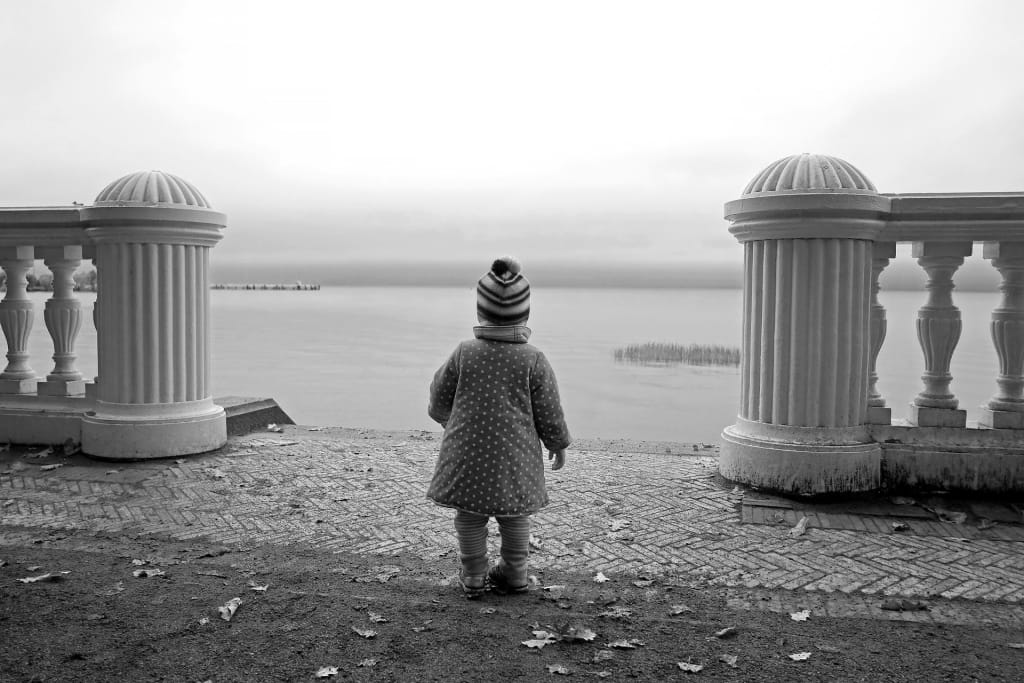
The pace of your life shapes the quality of your mind
Most people don’t realize they’re running until they try to stop.
Then, the silence feels foreign. The stillness feels wrong.
And that’s the first sign something’s off.
We’ve normalized a frantic pace — fast tasks, fast scrolling, fast goals.
But in chasing speed, we’ve lost contact with depth.
With intention. With presence. With life.
That’s where slow living enters the picture —
not as a trend, not as aesthetic minimalism,
but as a radical psychological shift.
Slowness isn’t laziness — it’s clarity
In a world wired for speed, slowing down is often mistaken for weakness.
You’re expected to keep up, do more, be available, stay plugged in.
But constant motion doesn’t equal meaning.
And over-scheduling your life doesn’t guarantee it’s being lived well.
Psychologically, we know that overstimulation leads to anxiety, burnout, and emotional fragmentation.
When everything demands your attention, nothing truly receives it.
Your mind learns to skim, not absorb.
To perform, not process.
But when you slow down —
when you begin to choose rather than react —
you create the mental space for awareness.
And from that awareness comes a softer kind of intelligence:
the one that notices, reflects, and feels.
What fast living steals from us
- When life is always rushing, you miss:
- Depth of thought. Fast thinking is reactive. Slow thinking is reflective. It takes time to form original insight or feel fully into a decision.
- Emotional attunement. The faster you move, the harder it becomes to even name what you’re feeling — let alone honor it.
- Connection. Deep relationships aren’t efficient. They unfold slowly, in shared silence, in attention that lingers.
- Sensation. Joy, awe, gratitude — they live in the body. And your body needs time to register anything real.
In fast living, we survive.
In slow living, we remember how to be human.
Slow living is not doing nothing — it’s doing one thing fully
This lifestyle isn’t about abandoning ambition or retreating from society.
It’s about reorienting your energy toward things that matter — and letting go of the performance.
Maybe it’s:
- Cooking without rushing.
- Walking without headphones.
- Saying no to the sixth commitment this week.
- Choosing paper over pixels for a while.
- Letting yourself rest before you're depleted.
These are tiny revolutions.
Acts of reclaiming agency over your time, your mind, your nervous system.
Slow living isn’t passive.
It’s deeply intentional.
Why it’s psychologically hard to slow down
Here’s the tricky part: slowness feels uncomfortable at first.
Because it makes room for things you’ve been avoiding.
When you stop distracting yourself with urgency,
you might feel sadness rise.
Or loneliness.
Or fear that you’re falling behind.
But that discomfort is exactly why slowness is valuable.
It brings the unconscious into view.
And only then can you begin to heal it.
There’s no prize for rushing through your life.
No gold star for always being busy.
No final applause for perfect efficiency.
But there is peace in being present.
There’s wholeness in paying attention.
And there’s quiet power in choosing slow —
when everything around you is screaming fast.
You are not lazy for needing rest.
You are not behind for choosing a slower path.
You are simply remembering the rhythm your soul always knew.
And that might just be the most honest way to live.
🖋 Written by A.J. Weston
For anyone tired of living on fast-forward.
About the Creator
A.J. Weston
Writing to understand what doesn’t make sense yet.
Enjoyed the story? Support the Creator.
Subscribe for free to receive all their stories in your feed.
Comments
There are no comments for this story
Be the first to respond and start the conversation.