
The Most Expensive Thing You Waste Every Day Isn't Money
Nobody tells you this when you're young.Last Tuesday Is Gone Forever. What Did You Actually Do With It?

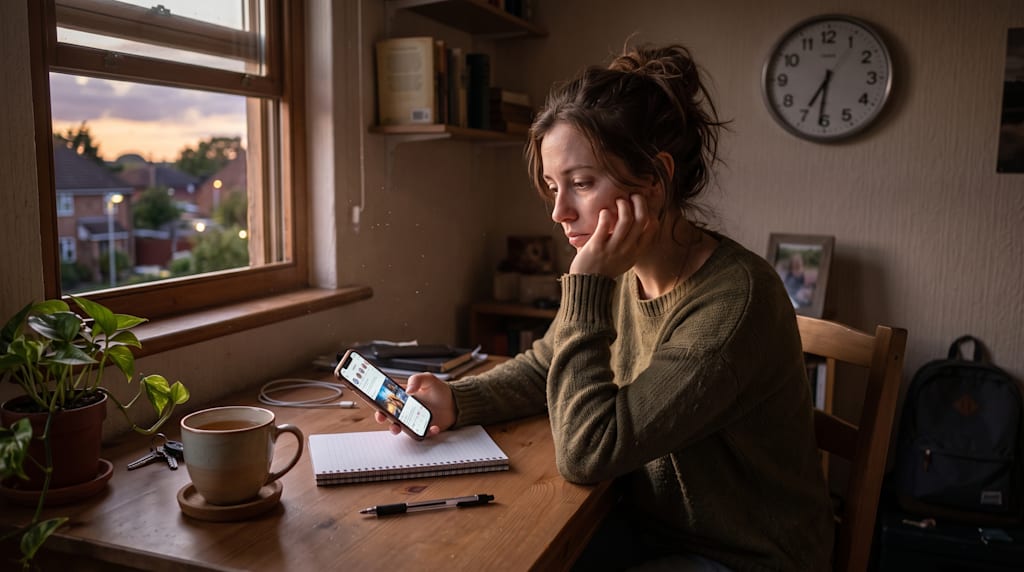
The Most Expensive Thing You Waste Every Day Isn't Money Nobody tells you this when you're young. You grow up watching adults stress about money. Save more. Spend less. Don't waste it. And that lesson sticks. You track your expenses, cut subscriptions, feel guilty over a five-dollar coffee. But while you were busy counting coins, something far more valuable was slipping through your fingers. Time. Not in the cliché motivational-poster way. In the very real, very quiet, very painful way that you only understand when it's already gone. The Moment It Hits You Think about last Tuesday. Not a dramatic day. Just a regular one. You woke up, scrolled your phone for twenty minutes before even sitting up. Made tea or coffee, watched a few videos. Got to work a little late, spent the first hour half-focused. Lunch break turned into a ninety-minute mental vacation. Evening came, and you were tired, so you "relaxed" for three hours before sleeping. Nothing bad happened that day. But nothing real happened either. Now multiply that by 365. That's when it stops being a bad Tuesday and starts being a bad year. Time Is the Only Thing You Can't Earn Back Here's what makes time different from money. If you lose a hundred dollars, you can work and earn it back. If you lose a job, you can find another. If a business fails, you can start over. But if you waste today, it doesn't come back. There's no refund. No overtime shift that recovers it. It's simply gone. A young man in Karachi once told me something that stayed with me. He said, "I kept waiting to have enough money to start my YouTube channel. I waited three years. Now I see people who started with nothing three years ago, and they're doing well. I had the same three years. I just didn't use them." He wasn't talking about money. He was talking about time spent waiting instead of doing. That story isn't unique to Pakistan. It's the story of millions of people everywhere, from London to Lagos, from Toronto to Lahore. The Sneaky Ways We Waste It We don't usually waste time in obvious ways. Nobody sits down and says, "I'll do nothing useful for the next four hours." It happens quietly. You open Instagram to check one notification. Forty minutes pass. You didn't decide to spend forty minutes there. It just happened. You say "I'll start Monday." Monday becomes next month. Next month becomes next year. Years go by wrapped in the same promise of "soon." You spend two hours in a conversation that drains you, solving a problem that wasn't yours to solve. You sit in front of your laptop, technically working, but mentally you're somewhere else entirely. None of this feels like waste in the moment. That's exactly why it's so dangerous. The Cost Nobody Calculates People calculate financial costs all the time. If I spend this much on rent, I have this much left. If I save this much per month, I'll have this much in five years. But almost nobody calculates time costs. Here's a simple one. If you spend ninety minutes a day on your phone doing nothing meaningful, that's over five hundred hours a year. Five hundred hours is roughly twelve full work weeks. Imagine what twelve extra weeks could do for your life. A skill learned. A project started. A habit built. A relationship invested in. Rest that actually restores you instead of guilt-ridden scrolling. The math isn't depressing. It's actually the most hopeful thing you'll read today. Because if the waste is that consistent, so is the potential recovery. It's Not About Being Productive Every Second Let's be honest about something. Rest is not waste. Sitting quietly with a cup of chai and doing nothing is not waste. Laughing with friends, watching a film you love, sleeping eight hours because your body needs it, that's not waste. The problem is not rest. The problem is unconscious time, time you didn't choose to spend anywhere in particular, that simply disappeared. There's a difference between choosing to relax and accidentally losing three hours to a screen without feeling refreshed at the end. One fills you. The other leaves you emptier than before. What Actually Changes When You Respect Your Time You don't need a perfect morning routine. You don't need a color-coded planner. You don't need to wake up at five in the morning. You just need to start making small, deliberate choices. A woman in her early thirties, working a full-time job in Manchester, decided she would protect just one hour a day. Not a life overhaul. Just one hour, after dinner, before the TV went on. She used it to write. Eighteen months later, she had a completed manuscript. She didn't have more time than anyone else. She just stopped letting it disappear. That's available to almost everyone. Even people with demanding jobs, families, and lives that feel overfull. Even people who don't have the luxury of flexible schedules or quiet homes. One hour. Chosen deliberately. Protected consistently. A Practical Shift You Can Make Today At the end of each day, ask yourself one question. What did I do today that I actually chose to do? Not what happened to you. Not what you drifted into. What did you consciously decide to spend your hours on? If the answer is mostly things that were chosen for you, by notifications, by other people's urgency, by habit and autopilot, that's your signal. You don't need to fix everything at once. Just find one hour tomorrow that belongs entirely to you. Put something in it that matters to you. Something you'd be glad you did a year from now. Then do it again the next day. The Real Lesson Money can be made, lost, and made again. Opportunities come around more than once. Relationships can be repaired. Careers can be rebuilt. But this moment right now, this specific Tuesday or Thursday or Sunday morning, it only exists once. The most expensive thing you waste every day isn't money. It's the hours that quietly leave while you were busy assuming there were plenty more coming. There are. But not infinitely. And the earlier you treat time like the finite, irreplaceable thing it actually is, the more of your life will actually feel like yours.
About the Creator
Muhammad Farman
**✨ Writer | Storyteller | Explorer ✍️** **Sharing unique stories, thought-provoking ideas, and unforgettable journeys that inspire, spark curiosity, and leave a lasting impact. 🌍📖**
Enjoyed the story? Support the Creator.
Subscribe for free to receive all their stories in your feed.
Comments
There are no comments for this story
Be the first to respond and start the conversation.