
The Death of the 9-to-5: Why Your Body Clock Hates the Clock
We weren’t built for cubicles or clocks. It’s time to stop fighting our circadian rhythms and start respecting the chaos of being human.

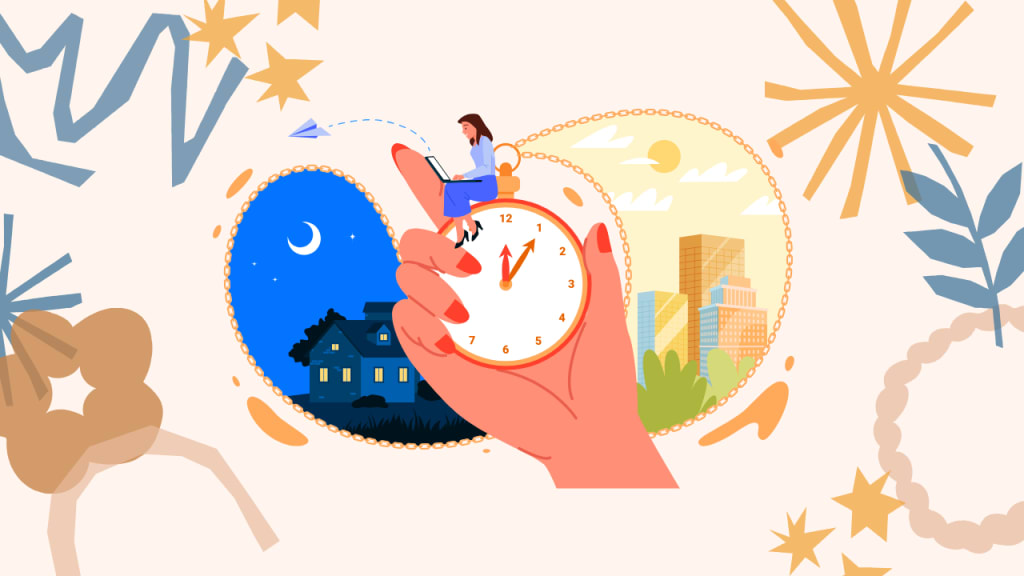
Let’s start with a confession: I’ve never been a morning person. The crack of dawn? It’s an insult to coffee and good intentions. And yet, for most of us, the 9-to-5 workday is non-negotiable. It’s a rigid box designed to cram all of humanity into one miserable, soul-crushing mold.
But here’s the thing: humans weren’t built for the 9-to-5. It’s a relic of the Industrial Revolution, when factories needed synchronized shifts and humanity was just another cog in the machine. Now? We’re knowledge workers, creatives, thinkers, and dreamers—but we’re still chained to this outdated schedule like a bad hangover.
So, let’s ask the big question: Should we get rid of the 9-to-5? And while we’re at it, should we start respecting the fact that not everyone’s brain comes online at the same time? The answer is yes.
The Myth of Productivity and the 9-to-5 Lie
The 9-to-5 isn’t about productivity; it’s about control. It’s about keeping everyone on the same hamster wheel so managers can tick boxes and call it leadership.
Here’s a fun fact: studies show people have wildly different productivity windows. Some of us are morning larks, chirping away at sunrise, while others are night owls, thriving when the world goes quiet. And yet, we all get crammed into the same 9-to-5 schedule, regardless of whether our brains are firing on all cylinders or running on fumes.
The result? Burnout, disengagement, and a workforce that spends half the day scrolling Instagram because they peaked at 10 a.m. or haven’t even hit their stride yet.
The 9-to-5 isn’t just outdated; it’s actively sabotaging us.
Circadian Rhythms Are the Real MVPs
Let’s talk science. Your circadian rhythm is your body’s internal clock, and it’s more influential than your manager’s poorly worded emails. It dictates when you're alert, when you’re tired, and when you’re ready to conquer the world—or crawl back into bed.
The problem? Circadian rhythms aren’t one-size-fits-all. Some people are wired to wake up early and crush deadlines before breakfast. Others hit their creative peak at midnight, fueled by caffeine and questionable life choices.
But instead of embracing this beautiful chaos, the 9-to-5 punishes anyone who dares to deviate. Night owls are labeled lazy. Morning larks are burdened with carrying the team until everyone else catches up. It’s like forcing a jazz band to play in perfect unison—it misses the point entirely.
The Future of Work (If We’re Brave Enough to Try It)
The alternative is flexibility—shocker!
Imagine a workplace where people are judged by outcomes, not hours. Where night owls can start their day at noon without being branded as slackers, and early birds can clock out before their colleagues have even finished lunch.
This isn’t just wishful thinking—it works. Companies that embrace flexible schedules report higher productivity, better morale, and lower turnover. People are happier when they can work with their rhythms, not against them.
And no, this doesn’t mean chaos. Flexibility requires communication, trust, and a willingness to let go of the idea that butts in chairs equal productivity. But the payoff? It’s worth it.
Why We’re Scared to Let Go
If flexibility is so great, why are we still clinging to the 9-to-5? The short answer: fear.
Managers fear losing control. Companies fear change. And, let’s be honest, some people fear admitting that their entire career has been built on a schedule that’s as relevant as dial-up internet.
But fear isn’t a good enough excuse to keep torturing ourselves. The world is changing. Remote work, hybrid models, and global teams have already blown up the traditional workday. The only question is whether we’ll embrace the shift—or cling to our outdated clocks until they drag us down.
Time to Wake Up
The 9-to-5 isn’t sacred. It’s not efficient. And it sure as hell isn’t good for humanity. It’s a relic of a bygone era, clinging to relevance like a corporate zombie.
We’re not factory workers anymore. We’re creators, innovators, and problem solvers, and we deserve a workday that respects who we are—not just what time we show up.
So, should we get rid of the 9-to-5? Absolutely. Should we respect circadian rhythms? Hell yes. Because the future of work isn’t about hours—it’s about humans.
And honestly, isn’t it about time we acted like it?
About the Creator
WorkShyft
WorkShyft empowers leaders with empathy, accountability, and a growth mindset to transform outdated practices and inspire thriving workplace cultures. Follow us on LinkedIn and join us in redefining leadership for lasting impact.
Enjoyed the story? Support the Creator.
Subscribe for free to receive all their stories in your feed.
Comments
There are no comments for this story
Be the first to respond and start the conversation.