
The Battle of Ohad: Clash of the Unyielding
A Struggle for Survival in the Heart of the Storm"
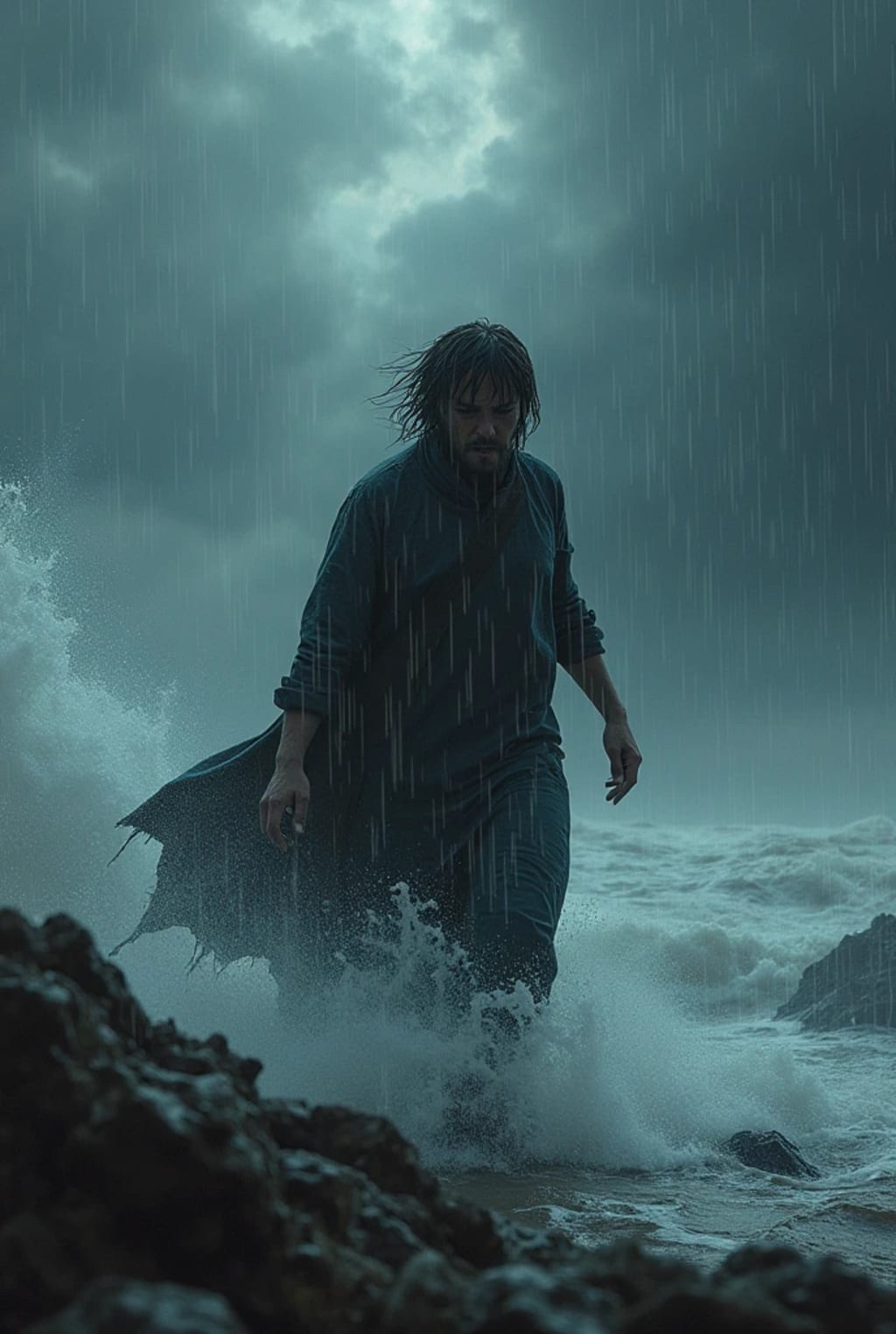
The **Battle of Uhud** was a pivotal encounter in early Islamic history, taking place in **625 CE (3 AH)** between the **Muslims of Medina** led by the Prophet **Muhammad (PBUH)** and the **Quraysh of Mecca**, who sought revenge for their earlier defeat at the **Battle of Badr**. Below is a detailed narrative of the events surrounding the battle:
---
## 📍 **Background and Prelude**
After the stunning Muslim victory at **Badr** in 624 CE, the **Quraysh** of Mecca were humiliated and deeply aggrieved. Many of their leaders and warriors had perished, including prominent figures like **Abu Jahl**. They vowed revenge.
* **Abu Sufyan ibn Harb**, now the de facto leader of the Quraysh, led efforts to organize a large retaliatory force.
* They assembled a **3,000-strong army**, including **700 armored soldiers and 200 cavalry**, compared to the Muslims’ much smaller force.
* The Quraysh also had **Hind bint Utbah**, who came seeking revenge for her father and brother who were killed at Badr.
## 🚶♂️**Muslim Preparations**
When news of the Quraysh army's approach reached **Medina**, the Muslims debated how to respond.
* The Prophet Muhammad (PBUH) initially favored **defending Medina** from within.
* However, younger companions and those who missed Badr advocated for **meeting the enemy in open battle**.
* The Prophet eventually agreed and prepared an army of **around 1,000 men**.
However, just before the battle:
* **Abdullah ibn Ubayy**, the leader of the hypocrites (Munafiqun), withdrew **with 300 men**, reducing the Muslim army to **around 700**.
---
## 🗻 **Battlefield: Mount Uhud**
* The battlefield was chosen near **Mount Uhud**, north of Medina.
* The Prophet strategically positioned the Muslim army with **Mount Uhud behind them**, preventing a rear attack.
* A critical position was the **Aynain Hill (often referred to as the archers’ hill)** on the Muslim army’s left flank.
* The Prophet placed **50 archers** under **Abdullah ibn Jubair** on this hill.
* He strictly instructed them: **"Do not leave your position no matter what happens—whether we win or lose."**
---
## ⚔️ **The Battle Begins**
* The battle commenced with traditional single combat. Among the duels:
* **Hamza ibn Abdul-Muttalib** (Prophet’s uncle) fought valiantly but was eventually **martyred by Wahshi**, a slave promised freedom by Hind if he killed Hamza.
* Initially, the Muslims gained the upper hand:
* The Quraysh lines began to break.
* Muslims began to pursue the retreating Quraysh and collect spoils.
---
## 💔 **Critical Turning Point: The Archers’ Mistake**
* Believing the battle was won, many of the Muslim **archers left their positions**, despite the Prophet’s clear orders.
* This allowed **Khalid ibn al-Walid**, who was not yet Muslim, to **lead a surprise cavalry charge from the rear**.
* This maneuver **encircled the Muslims** and caused confusion and heavy casualties.
---
## 🧍♂️ **The Prophet Under Threat**
* In the chaos, rumors spread that **Prophet Muhammad had been killed**.
* This demoralized many Muslims, but some, including **Anas ibn al-Nadr** (uncle of Anas ibn Malik), fought valiantly.
* The Prophet was **wounded**:
* His **helmet was broken**, injuring his **cheek and breaking a tooth**.
* He was protected by companions like **Talhah ibn Ubaydullah**, **Ali ibn Abi Talib**, and **Abu Dujanah**.
---
## 🏞️ **Retreat to Mount Uhud**
* The Prophet and a small group retreated toward the slopes of Mount Uhud.
* There, they took a defensive position, and the Quraysh **did not pursue further**, possibly thinking the Muslims were finished.
---
## 🏁 **Aftermath and Results**
* The Quraysh declared victory but **did not attack Medina** or occupy territory.
* The Muslims lost around **70 men**, including many key figures like:
* **Hamza ibn Abdul-Muttalib**
* **Mus'ab ibn Umair**
* **Abdullah ibn Jahsh**
* The Quraysh lost fewer men, but they failed to achieve a decisive strategic victory.
* Hind mutilated the body of Hamza in vengeance, further deepening the emotional toll of the defeat.
---
## 📜 **Lessons and Legacy**
1. **Obedience to Leadership**: The Prophet’s orders to the archers were clear, but their disobedience led to disaster—a major lesson in discipline and leadership.
2. **Resilience**: Though heavily outnumbered and wounded, the Prophet showed courage, leadership, and faith.
3. **Reality of Jihad**: Uhud highlighted that Muslims would face both victory and defeat and that God’s help is conditional on unity and obedience.
4. **Revelation**: Verses in **Surah Aal-Imran (3:121-180)** were revealed, analyzing the causes and consequences of the battle.
---
About the Creator
Enjoyed the story? Support the Creator.
Subscribe for free to receive all their stories in your feed.
Comments
There are no comments for this story
Be the first to respond and start the conversation.