
Keeping Your Brain Young: Proven Strategies to Slow Down Cognitive Ageing"
Unlocking the Secrets to Mental Longevity and Everyday Sharpness"
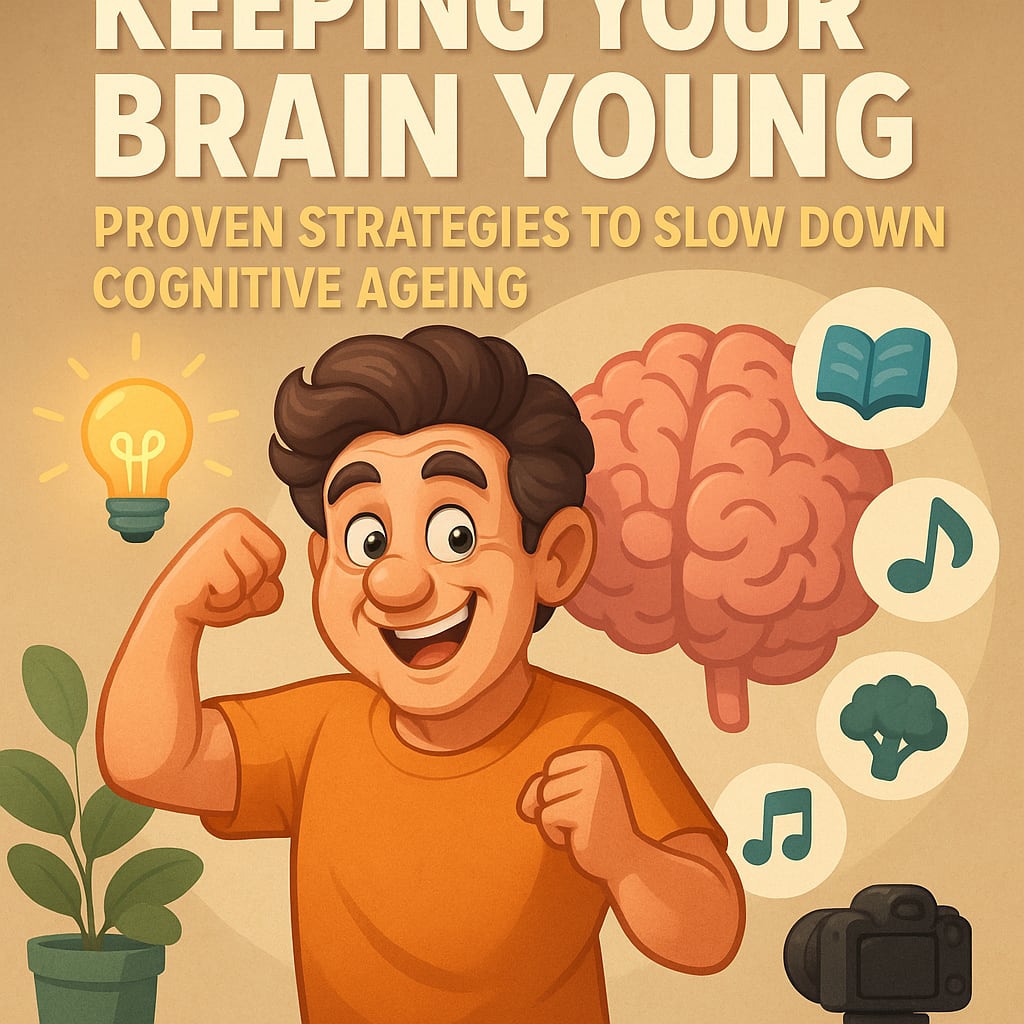
Sure! Here's a story of over 800 words built around the theme “Keeping Your Brain Young: Proven Strategies to Slow Down Cognitive Ageing”: --- The Garden of the Mind By: [irshad khan] Amir sat on a weathered wooden bench, nestled beneath the shade of an old banyan tree in the park he had visited every morning for over a decade. A journal rested on his lap, half-filled with his neat cursive handwriting. To anyone passing by, he looked like a typical 72-year-old man: silver hair combed back, glasses slipping down his nose, and a calm expression. But what made Amir different wasn’t visible at first glance. He had a secret. While many of his peers struggled with forgetfulness or lost interest in learning new things, Amir was sharp. He remembered names, dates, poems, even complex Sudoku patterns. His grandchildren often joked that his brain was younger than theirs. And in many ways, they were right. It hadn’t always been that way. Ten years ago, Amir had watched his elder brother suffer from the slow, heart-wrenching effects of dementia. The experience had shaken him. Not wanting the same fate, Amir began a quest—not for eternal youth, but for mental longevity. He called it “gardening his mind.” “It’s like a garden,” he once told his daughter, “If you don’t plant new seeds, remove weeds, and water it daily, it begins to wilt.” His journey started with a book: “The Brain That Changes Itself” by Norman Doidge. Fascinated by the concept of neuroplasticity—the brain’s ability to reorganize itself—Amir was struck with hope. Ageing didn’t have to mean decline. The brain, like a muscle, needed training and care. So, he designed a routine. Every morning, before even brushing his teeth, Amir drank a glass of warm water with lemon and turmeric—something his grandmother used to insist on. Then, he took a 20-minute walk in the garden, without his phone, focusing on the chirping birds, the scent of jasmine, and the rustle of leaves. Mindfulness, he had learned, wasn't just a spiritual practice. It reduced stress—a major contributor to cognitive decline. Back at home, after breakfast (a mix of walnuts, blueberries, oats, and green tea), he set aside an hour for “brain gardening.” One day it was a crossword puzzle. Another day it was learning Spanish on a language app. Some days, he wrote short stories based on his childhood memories. His wife, Seema, initially laughed at his determination. “You’re trying to become Einstein at 65?” she teased. “No,” he smiled. “Just trying to stay me.” He also joined a community chess club, and later, a book circle. Discussing novels with people twenty years younger than him gave him a strange thrill—and a mental challenge. He even took up sketching, something he hadn’t tried since school. But what truly transformed him wasn’t the activities—it was the change in how he saw ageing. He no longer saw growing old as a slow fade. Instead, he saw it as a chance to bloom differently. Alongside the mental exercises, Amir made lifestyle changes. He reduced sugar, increased leafy greens, and walked more. Sleep became sacred—eight hours, no screens an hour before bed, and a short meditation to wind down. Within a year, he noticed changes. Not only could he concentrate better, but his mood improved. He was less anxious, more enthusiastic about life. His friends began to ask questions. “What’s your secret, Amir?” And he would reply, “Treat your brain like your body. Feed it well, stretch it often, let it rest, and never stop using it.” He even gave a short talk at the local library titled “How to Stay Mentally Sharp After 60.” That night, Seema gave him a long hug. “You’ve become a role model, old man.” Years passed. Amir remained sharp and joyful. His grandchildren adored his quick wit, stories, and riddles. He once told them that the brain was like a tree—and every thought, memory, and skill was a branch. “The more you grow, the more shade you give to others.” Now, at 72, as he sat under the banyan tree, he smiled. He had turned his fear into purpose, his ageing into empowerment. He looked up as a young man approached with a notebook. “Mr. Amir? My grandmother came to your talk. She says you’re like a walking brain manual.” Amir chuckled. “I prefer ‘mind gardener.’” They sat together, and Amir began sharing his story once more—not as a lecture, but as a legacy. Because he believed that if more people treated their brains with care, curiosity, and compassion, the world would be a brighter, smarter place. And in the garden of his mind, new seeds were still being planted. --- Moral of the Story: Cognitive ageing is not inevitable. With the right habits—mental stimulation, physical activity, social connection, proper diet, and stress management—we can keep our minds youthful, sharp, and full of life. ---
About the Creator
Enjoyed the story? Support the Creator.
Subscribe for free to receive all their stories in your feed.
Comments
There are no comments for this story
Be the first to respond and start the conversation.