
Its hard to not worry about your health and the health of others, especially during this pandemic and
Top Ways to Stop the Health Anxiety Cycle

1. Introduction
• Health anxiety and its prevalence during the pandemic
• Normalizing worries about health
2. Understanding health anxiety
• Definition and symptoms
• Different forms of health anxiety
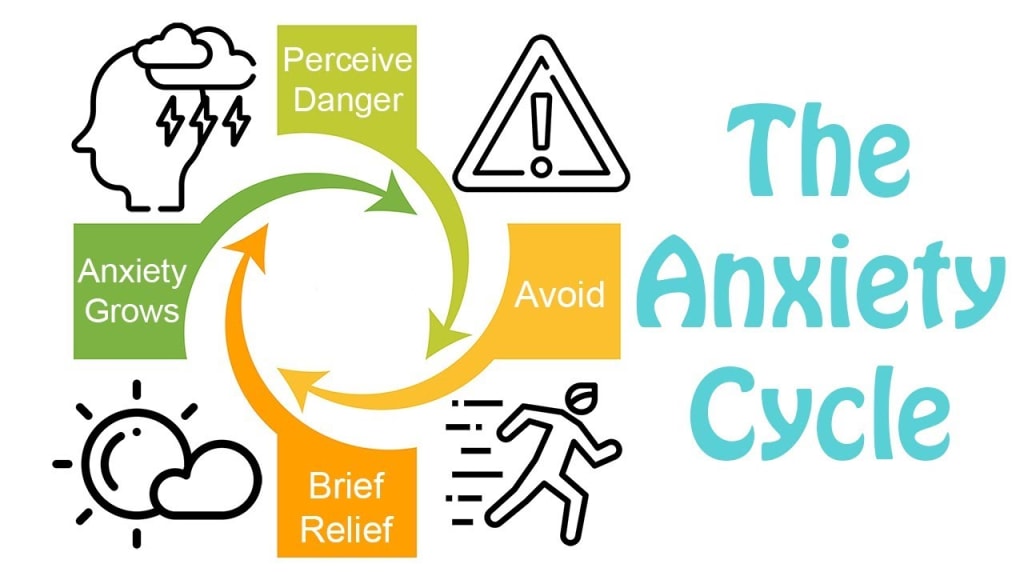
3. The health anxiety cycle
• How certain behaviors feed into health anxiety
• Breaking the cycle
4. Meaning-making and health anxiety
• Assigning significance to bodily sensations
• Recognizing thoughts and sensations as passing experiences
• Practicing mindfulness to create space for sensations
5. Catastrophizing and its impact on health anxiety
• Taking worries to the extreme
• Identifying catastrophic thinking patterns
• Labeling catastrophizing and exploring alternatives
6. The role of internet searching in health anxiety
• The temporary relief and long-term consequences of seeking reassurance online
• Setting limits on internet searches
• Redirecting attention to meaningful aspects of life
7. Limiting unnecessary tests and seeking reassurance
• Constant checking as a form of avoidance
• The negative impact of excessive testing on quality of life
• Choosing to focus on important aspects of life instead
8. Conclusion
• Embracing a balanced approach to health and anxiety
• Seeking professional help when needed
It is hard to not worry about your health and the health of others, especially during this pandemic and when dramatic, health-focused news is everywhere.
Now, I have never worried much about my health, but that's all changed since the pandemic hit. So back in March of 2020, we went to a super rural part of Utah. We hiked around and we explored. We thought we were being careful with social distancing. And then on our way back home, we stopped for ice cream to appease our children, but we had to order inside. And afterwards I remember being just hit with like fear and worry. And I started worrying, you know, really catastrophizing. I told my husband, "Oh, no. I'm sure that we're gonna get COVID from that," even though there were only a handful of cases in Utah at the time. And I decided not to go see my parents that Easter weekend because I feared exposing them. Now, I think it's really normal to worry about your health sometimes, and it's especially normal to worry about it during a global pandemic. Everyone worries about their health sometimes. However, health anxiety can be a quite serious problem when it gets more entrenched.
Understanding Health Anxiety
Health anxiety, also known as illness anxiety or hypochondria, is an obsessive and irrational worry about having a serious medical condition. It is characterized by a belief that one has an illness that they don't actually have. Additionally, somatization disorder is another form of health anxiety where individuals interpret minor bodily sensations as symptoms of something serious. While health anxiety is a real and valid concern, there are certain behaviors and thought patterns that can make it worse, perpetuating what is known as the health anxiety cycle.
The Health Anxiety Cycle
The health anxiety cycle refers to a series of behaviors and thought patterns that inadvertently fuel and worsen health anxiety. These actions may provide temporary relief or a sense of control but ultimately contribute to heightened anxiety levels. Breaking the cycle involves identifying these behaviors and making intentional changes to alleviate health anxiety.
Meaning-making and Health Anxiety
One common behavior that exacerbates health anxiety is meaning-making, especially prevalent in individuals with somatization disorder. Meaning-making involves assigning significance to bodily sensations and symptoms, often leading to catastrophic interpretations. For instance, a simple headache may be misconstrued as a sign of a life-threatening condition. To overcome this, it is crucial to recognize thoughts and.
Practicing mindfulness to create space for sensations
To address the tendency for meaning-making in health anxiety, practicing mindfulness can be beneficial. Mindfulness involves intentionally paying attention to the present moment without judgment. By cultivating mindfulness, individuals can create space for bodily sensations and thoughts, allowing them to observe them without immediately assigning catastrophic meanings.
Mindfulness exercises such as deep breathing, body scans, or meditation can help develop a non-reactive and accepting stance toward bodily sensations. These practices can assist in recognizing that sensations and thoughts are passing experiences that do not necessarily indicate a serious health problem. With regular mindfulness practice, individuals can develop a greater sense of calm and detachment from anxious thoughts and bodily sensations.
Catastrophizing and its impact on health anxiety
Catastrophizing is another thought pattern that often contributes to the maintenance of health anxiety. Catastrophizing involves magnifying and exaggerating the potential negative outcomes of a situation. For individuals with health anxiety, catastrophizing can involve interpreting mild symptoms as signs of severe illness or perceiving every health-related event as life-threatening.
Identifying catastrophic thinking patterns is crucial in breaking the health anxiety cycle. By becoming aware of these thoughts and challenging their validity, individuals can start to develop a more balanced perspective. One technique is to consciously label the catastrophizing thoughts as they arise and then explore alternative, more realistic explanations for the symptoms or situations.
For example, instead of immediately assuming that a headache indicates a brain tumor, one can consider other possibilities such as stress, tension, or dehydration. By questioning and reframing catastrophic thoughts, individuals can begin to reduce the intensity of their anxiety and develop a more rational and realistic view of their health concerns.
The role of internet searching in health anxiety
In the age of information, it is common for individuals to turn to the internet for health-related information and reassurance. However, excessive internet searching can reinforce health anxiety and lead to a never-ending cycle of worry. While seeking information can provide temporary relief, it often results in finding worst-case scenarios and fueling anxiety.
Setting limits on internet searches is crucial for managing health anxiety. Instead of relying solely on online sources, it is advisable to consult reputable healthcare professionals who can provide accurate and personalized information. Engaging in activities that redirect attention away from health concerns and focusing on meaningful aspects of life can also help reduce the reliance on internet reassurance-seeking behaviors.
Limiting unnecessary tests and seeking reassurance
Individuals with health anxiety often engage in frequent medical tests and seek reassurance from healthcare professionals. While seeking reassurance may temporarily alleviate anxiety, it can perpetuate the cycle of health anxiety and create a dependency on medical validation.
Constant checking and seeking unnecessary tests can negatively impact an individual's quality of life and relationships. Instead of constantly seeking reassurance, it is important to recognize that uncertainty is a part of life and that not all sensations or symptoms require immediate medical attention. Choosing to focus on other important aspects of life, such as relationships, hobbies, and self-care, can help shift the focus away from health anxiety.
Conclusion
While it is natural to worry about health, it is important to recognize when worries become excessive and interfere with daily life. Understanding the health anxiety cycle, challenging catastrophic thinking patterns, practicing mindfulness, setting limits on internet searches, and reducing reassurance-seeking behaviors are important steps in managing health anxiety.
It is essential to embrace a balanced approach to health, acknowledging concerns but not allowing them to overpower or control life. If health anxiety becomes overwhelming or significantly impacts daily functioning, seeking professional help from mental health professionals, such as therapists or psychologists, can provide guidance and support in managing and overcoming health anxiety. Remember, you are not alone, and there are resources available to help you navigate through these challenges.
Seeking support and building a support network
When dealing with health anxiety, it can be helpful to seek support from others. Sharing your concerns and fears with trusted friends, family members, or support groups can provide emotional validation and a sense of understanding. Talking about your anxieties can also help put them into perspective and alleviate some of the burden they may be causing.
In addition to seeking support from loved ones, professional help is also beneficial in managing health anxiety. Mental health professionals, such as therapists or counselors, specialize in providing guidance and support for individuals dealing with anxiety disorders. They can help you develop coping strategies, challenge irrational thoughts, and explore underlying factors that contribute to health anxiety.
Developing healthy coping strategies
Engaging in healthy coping strategies is essential in managing health anxiety. Different techniques work for different individuals, so it may be helpful to experiment and find what works best for you. Here are some strategies that can be effective:
1. Regular exercise: Physical activity has been shown to reduce anxiety and improve overall well-being. Find an exercise routine that you enjoy, whether it's going for a walk, practicing yoga, or participating in a team sport.
2. Relaxation techniques: Techniques such as deep breathing exercises, progressive muscle relaxation, or guided imagery can help reduce anxiety and promote a sense of calmness.
3. Stress management: Learning stress management techniques, such as time management, setting boundaries, and prioritizing self-care, can help reduce overall anxiety levels and prevent health anxiety triggers.
4. Journaling: Writing down your thoughts and emotions in a journal can provide an outlet for expressing worries and fears. It can also help identify patterns and triggers related to health anxiety.
5. Distracting activities: Engaging in activities that you enjoy and that capture your attention can help redirect your focus away from health anxiety. This could include hobbies, spending time with loved ones, or participating in activities that bring you joy.
Monitoring and challenging anxious thoughts
Being aware of your thoughts and actively challenging them is a crucial step in managing health anxiety. When anxious thoughts arise, ask yourself:
• What evidence do I have to support this thought?
• Are there alternative explanations for my symptoms or concerns?
• Am I jumping to the worst-case scenario without considering other possibilities?
• How likely is it that my fears are accurate?
By critically evaluating your thoughts and considering alternative perspectives, you can begin to challenge and reframe anxious thinking patterns.
Taking care of your overall well-being
In addition to specifically targeting health anxiety, taking care of your overall well-being can have a positive impact on mental health. This includes:
1. Maintaining a balanced lifestyle: Prioritize healthy eating, regular sleep patterns, and a balanced schedule that allows for relaxation and enjoyable activities.
2. Limiting substance use: Alcohol, caffeine, and recreational drugs can exacerbate anxiety symptoms. It's important to moderate their consumption or, if possible, avoid them altogether.
3. Seeking professional help when needed: If your health anxiety is significantly affecting your daily life, relationships, or overall well-being, don't hesitate to seek help from a mental health professional. They can provide personalized support and treatment options tailored to your needs.
Remember, managing health anxiety is a process, and it takes time and effort. With the right strategies, support, and self-care, you can gain control over your anxiety and live a fulfilling life.
Building resilience and challenging cognitive distortions
Building resilience is a crucial aspect of managing health anxiety. Resilience refers to the ability to bounce back from setbacks and adapt to challenging situations. Here are some ways to enhance your resilience:
1. Develop a positive mindset: Practice positive thinking and focus on the aspects of your life that are going well. Challenge negative thoughts and replace them with more realistic and balanced perspectives.
2. Embrace uncertainty: Accept that uncertainty is a natural part of life and that not everything can be controlled or predicted. Learn to tolerate ambiguity and resist the urge to constantly seek reassurance or certainty.
3. Educate yourself: Gain knowledge about health conditions from reliable sources. Understanding the normal range of symptoms and the likelihood of certain illnesses can help you differentiate between genuine concerns and anxious thoughts.
4. Challenge cognitive distortions: Cognitive distortions are irrational and exaggerated patterns of thinking that contribute to anxiety. Common distortions include catastrophizing (assuming the worst-case scenario), overgeneralization (drawing broad conclusions from isolated incidents), and personalization (assuming responsibility for events beyond your control). Recognize these distortions and challenge them with evidence-based counterarguments.
Practicing mindfulness and grounding techniques
Mindfulness and grounding techniques can be powerful tools in managing health anxiety. These practices help bring your attention to the present moment and increase self-awareness. Here are a few techniques you can try:
1. Mindful breathing: Take slow, deep breaths, focusing on each inhale and exhale. Pay attention to the sensation of your breath entering and leaving your body. This can help calm your nervous system and bring you back to the present moment.
2. Grounding exercises: Engage your senses to anchor yourself in the present. Notice five things you can see, four things you can touch, three things you can hear, two things you can smell, and one thing you can taste. This exercise helps shift your focus away from anxious thoughts and into the immediate environment.
3. Body scan meditation: Close your eyes and mentally scan your body from head to toe, observing any sensations or areas of tension. Bring curiosity and non-judgmental awareness to your physical sensations, allowing them to come and go without getting caught up in them.
Setting realistic goals and celebrating progress
Setting realistic goals can provide a sense of purpose and accomplishment. Break down larger goals into smaller, achievable steps. Celebrate each milestone along the way, acknowledging your progress and effort. Remember, managing health anxiety is a journey, and every small step counts.
Practicing self-compassion
Be kind to yourself throughout this process. Health anxiety can be challenging, but remember that you are not alone. Treat yourself with the same compassion and understanding you would offer a loved one going through a difficult time. Practice self-care, engage in activities that bring you joy, and prioritize your mental and emotional well-being.
Staying consistent and seeking ongoing support
Managing health anxiety requires ongoing effort and commitment. It's important to stay consistent with the strategies that work for you and adapt them as needed. Additionally, don't hesitate to seek ongoing support from loved ones or mental health professionals whenever you need it. They can provide guidance, encouragement, and reassurance along your journey to managing health anxiety.
Remember, with patience, perseverance, and support, you can successfully navigate health anxiety and lead a fulfilling life focused on overall well-being.
Certainly! Here are some additional strategies to help you manage health anxiety:
Engage in regular physical activity: Exercise has been shown to reduce anxiety and improve overall mental well-being. Engaging in regular physical activity, whether it's walking, jogging, swimming, or participating in a sport, can help you channel your anxious energy and promote a sense of calm.
Practice relaxation techniques: Incorporate relaxation techniques into your daily routine to help reduce anxiety and promote a sense of relaxation. Techniques such as deep breathing exercises, progressive muscle relaxation, and guided imagery can help you relax both your body and mind.
Maintain a balanced lifestyle: Ensure you're maintaining a balanced lifestyle by prioritizing healthy habits. This includes getting enough sleep, eating nutritious meals, and avoiding excessive consumption of caffeine and alcohol. A healthy lifestyle can contribute to overall well-being and help manage anxiety symptoms.
Limit reassurance-seeking behaviors: While seeking reassurance may temporarily alleviate anxiety, it can also reinforce the cycle of anxiety in the long run. Try to limit the frequency of seeking reassurance from others or constantly researching symptoms online. Instead, focus on developing self-reliance and trusting in your own abilities to cope with uncertainty.
Create a support system: Surround yourself with a supportive network of friends, family, or a support group who understand and empathize with your struggles. Sharing your concerns and experiences with others can provide a sense of validation, comfort, and perspective.
Consider therapy: If health anxiety significantly interferes with your daily life or becomes overwhelming, consider seeking professional help. Cognitive-behavioral therapy (CBT) is often an effective approach for managing anxiety disorders, including health anxiety. A therapist can help you challenge irrational thoughts, develop coping strategies, and provide guidance tailored to your specific needs.
Monitor your media consumption: Be mindful of the impact that media consumption can have on your anxiety levels. Constant exposure to news stories or online content related to health issues can fuel anxiety. Limit your exposure to such content and focus on more positive and uplifting sources of information.
Practice self-care: Engage in activities that promote self-care and relaxation. This can include hobbies, creative outlets, spending time in nature, practicing mindfulness or meditation, journaling, or taking soothing baths. Self-care activities help you recharge, reduce stress, and enhance your overall well-being.
Remember, managing health anxiety is a journey, and it's important to be patient with yourself. Celebrate small victories, be kind to yourself during setbacks, and seek professional help if needed. With time, practice, and support, you can gain control over your health anxiety and live a fulfilling life focused on wellness and happiness.
Certainly! Here are some more tips to help you manage health anxiety:
Challenge your anxious thoughts: Whenever you experience anxious thoughts related to your health, try to challenge them by asking yourself questions like "What evidence do I have to support this thought?" or "Is there a more rational explanation?" This can help you gain perspective and reduce the intensity of your anxiety.
Practice mindfulness: Mindfulness involves bringing your attention to the present moment and observing your thoughts and emotions without judgment. Regular practice of mindfulness meditation can help you develop a greater awareness of your anxious thoughts and learn to let them go, reducing their impact on your overall well-being.
Use positive affirmations: Affirmations are positive statements that you can repeat to yourself to counteract negative thoughts and beliefs. Create affirmations that focus on your health and well-being, such as "I am healthy and strong," or "I trust my body's ability to heal." Repeat these affirmations daily to reinforce positive thinking.
Educate yourself: Gain a better understanding of the medical conditions or symptoms that cause your anxiety. Educating yourself about the facts, symptoms, and treatment options can help demystify the subject and provide you with a more realistic perspective.
Set boundaries with Dr. Google: While it's natural to seek information online, be cautious about excessive Googling of symptoms. Limit your online searches and rely on reputable sources of information. Remember that self-diagnosis based on internet research is often inaccurate and can contribute to increased anxiety.
Practice self-compassion: Be kind and compassionate towards yourself when dealing with health anxiety. Treat yourself with the same care and empathy that you would show a loved one. Remember that it's normal to have concerns about your health, and you're doing your best to manage them.
Create a worry period: Instead of allowing anxious thoughts to consume your entire day, try scheduling a specific time each day to address them. During this designated "worry period," allow yourself to focus on your concerns and write them down. By confining your worries to a specific time, you can prevent them from overwhelming you throughout the day.
Seek social support: Reach out to trusted friends, family members, or support groups who can provide emotional support and understanding. Sharing your fears and concerns with others can help alleviate the burden of anxiety and provide a fresh perspective.
Celebrate progress: Recognize and celebrate the progress you make in managing your health anxiety. Acknowledge the steps you've taken to confront your fears and challenge your anxious thoughts. Rewarding yourself for these achievements can boost your confidence and motivation to continue working on your anxiety management.
Remember, managing health anxiety is a process that takes time and effort. Be patient with yourself and celebrate every small step forward. If your anxiety becomes overwhelming or starts to interfere with your daily life, don't hesitate to seek professional help from a therapist or healthcare provider. They can provide additional guidance and support tailored to your specific needs.
Certainly! Here are a few more tips to help you manage health anxiety:
1. Educate yourself: Gather accurate information about health conditions from reliable sources, such as reputable medical websites or healthcare professionals. Understanding the facts can help alleviate unnecessary worry and dispel any misconceptions.
2. Challenge your thoughts: Notice and challenge negative or catastrophic thoughts that contribute to anxiety. Ask yourself if there is any evidence supporting these thoughts or if there are alternative explanations. Replace negative thoughts with more realistic and balanced ones.
3. Practice mindfulness: Mindfulness involves bringing your attention to the present moment without judgment. Engaging in mindfulness exercises, such as meditation or body scans, can help you develop a greater awareness of your thoughts and emotions, allowing you to respond to them in a more constructive way.
4. Create a worry period: Designate a specific time each day to worry about your health concerns. During this time, allow yourself to focus on your worries, write them down, and explore them. Outside of this designated time, try to redirect your thoughts and engage in activities that bring you joy or relaxation.
5. Set realistic health goals: Rather than fixating on the absence of symptoms or perfect health, focus on achievable goals related to self-care. This might include incorporating regular exercise, improving sleep habits, or adopting a balanced diet. Setting small, attainable goals can help shift your focus from anxiety to proactive health management.
6. Seek support: Reach out to a trusted friend, family member, or support group to share your concerns and feelings. Talking to someone who understands and provides reassurance can be comforting and help you gain a different perspective on your worries.
7. Limit Dr. Google: While it's tempting to turn to the internet for answers, try to avoid excessive googling of symptoms or medical conditions. Instead, rely on healthcare professionals for accurate information and guidance tailored to your specific situation.
8. Practice self-compassion: Be kind and gentle with yourself. Remember that it's natural to have concerns about your health, but try not to be too hard on yourself for experiencing anxiety. Treat yourself with the same compassion and understanding you would offer to a loved one going through a similar situation.
9. Maintain a symptom diary: Keeping track of your symptoms can provide a record of their frequency and duration. This can help you identify patterns and gain a more objective perspective on your health concerns. Share this information with your healthcare provider to facilitate open and productive discussions.
10. Consider therapy or counseling: If health anxiety continues to significantly impact your daily life, seeking professional help from a therapist or counselor can be beneficial. They can provide you with strategies to manage anxiety, explore underlying causes, and support you throughout your journey towards better mental well-being.
Remember, managing health anxiety takes time and effort. Be patient with yourself and celebrate small victories along the way. With the right strategies and support, it is possible to regain control over your anxiety and lead a fulfilling life.
About the Creator
Enjoyed the story? Support the Creator.
Subscribe for free to receive all their stories in your feed.
Comments
There are no comments for this story
Be the first to respond and start the conversation.