
Is Time Management a Soft Skill ?
Time management is a crucial soft skill that can significantly impact your productivity and overall success in both personal and professional settings. In today's fast-paced world, the ability to manage your time effectively is more important than ever.

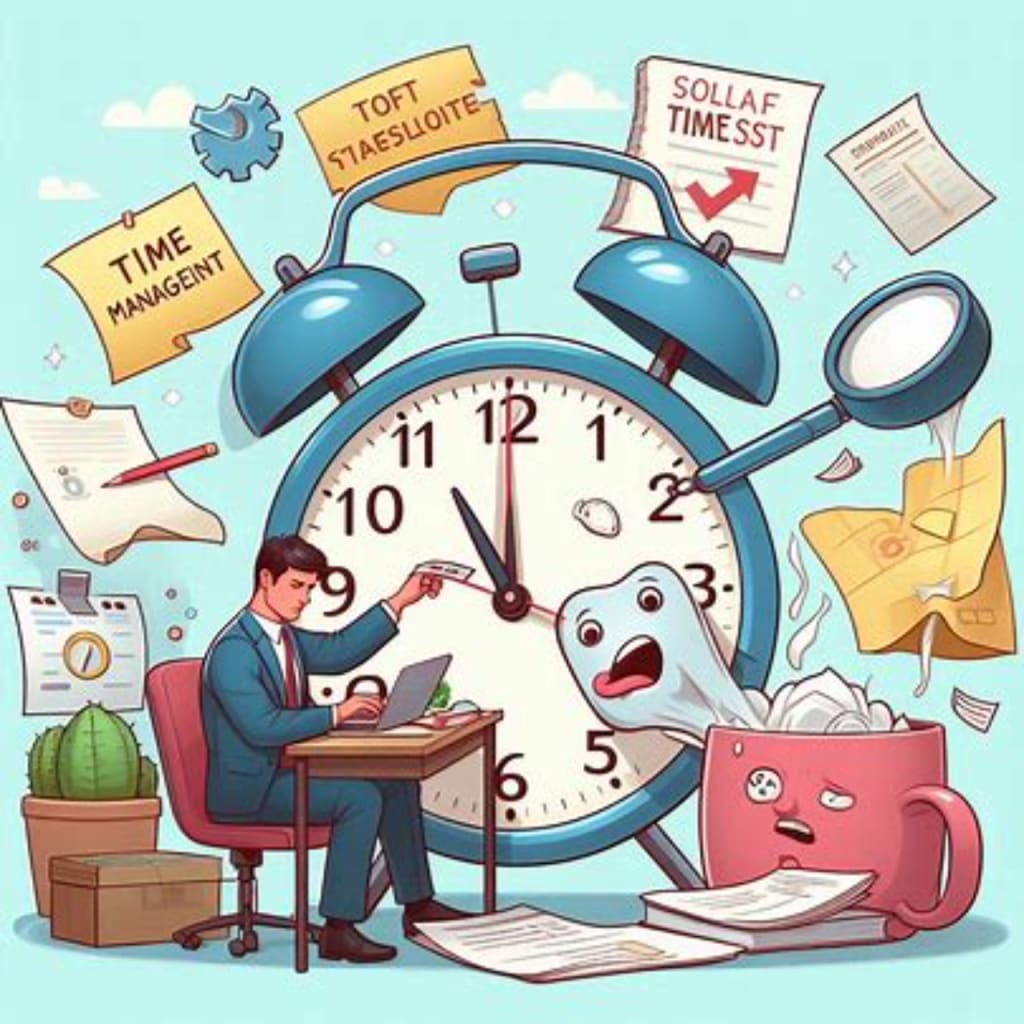
Time Management: The Critical Soft Skill to Master for Success
Time management is a crucial soft skill that can significantly impact your productivity and overall success in both personal and professional settings. In today's fast-paced world, the ability to manage your time effectively is more important than ever. This article will explore why time management is a vital soft skill, how you can improve your time management skills, and the benefits of mastering this essential ability. Whether you're a student, a professional, or someone looking to better balance work and life, understanding and applying good time management skills can help you achieve your goals and enhance your quality of life.
What is Time Management and Why is it Important?
Time management refers to the process of planning and controlling how much time to spend on specific activities. Good time management enables you to work smarter, not harder, so you can get more done in less time, even when time is tight and pressures are high. It is about making the most of the time you have and prioritizing tasks to achieve your goals efficiently.
Importance of Time Management
Effective time management is critical because it helps you complete tasks on your to-do list, meet deadlines, and reduce stress. By managing your time well, you can ensure that you spend time on important tasks that align with your goals and values. This skill also allows you to set aside time for activities that improve your quality of life, such as spending time with family, exercising, or pursuing hobbies.
When you manage your time effectively, you gain control over your workday, which can lead to a sense of accomplishment and reduced stress. Time management means you can allocate time to high-priority tasks and ensure they are completed efficiently. This is especially important in a professional setting where meeting deadlines and producing quality work is crucial.
Moreover, time management skills help you avoid overwork and burnout. By planning your day and setting realistic goals, you can ensure that you have enough time for both work and personal activities. This balance is essential for maintaining overall well-being and productivity.
In addition, good time management skills are essential for career advancement. Employers highly value employees who can manage their time effectively, as this ability is often linked to higher productivity and better performance. Being able to prioritize tasks, meet deadlines, and avoid procrastination can help you stand out to potential employers and enhance your career prospects.
The Benefits of Good Time Management
One of the primary benefits of good time management is increased productivity. When you manage your time well, you can accomplish more tasks in less time, which can lead to higher efficiency and better results. This can be particularly beneficial in a professional setting where productivity is often a key performance indicator.
Another benefit of good time management is improved work-life balance. By effectively managing your time, you can ensure that you have enough time for both work and personal activities. This can help you avoid burnout and maintain a healthy balance between your professional and personal life.
Good time management can also lead to reduced stress levels. When you have control over your time and know how to prioritize your tasks, you can avoid the last-minute rushes and the stress that comes with them. This can lead to a more relaxed and enjoyable work environment.
In addition, effective time management can help you achieve your goals more efficiently. By setting clear goals and prioritizing tasks that align with these goals, you can ensure that you are making progress towards achieving them. This can lead to a sense of accomplishment and motivation to continue working towards your goals.
The Role of Prioritization in Time Management
Prioritization is a key aspect of time management. It involves identifying the most important tasks that need to be completed and focusing on them first. By prioritizing tasks, you can ensure that you are spending your time on activities that have the most significant impact on your goals.
One effective way to prioritize tasks is to use the Eisenhower Matrix. This tool helps you categorize tasks based on their urgency and importance. By using this matrix, you can focus on high-priority tasks and avoid getting bogged down by less important activities.
Another effective way to prioritize tasks is to use the ABC method. This method involves categorizing tasks into three categories: A tasks are high-priority tasks that must be completed, B tasks are important but not urgent, and C tasks are low-priority tasks that can be completed if time permits. By using this method, you can ensure that you are focusing on the most important tasks first.
In addition, setting clear goals can help you prioritize tasks effectively. By having a clear understanding of what you want to achieve, you can prioritize tasks that align with these goals. This can help you stay focused and motivated to achieve your goals.
The Importance of Setting Goals
Setting clear, achievable goals is another crucial time management skill. Goals provide direction and motivation, helping you stay focused on what you need to accomplish. Using the SMART criteria (Specific, Measurable, Achievable, Relevant, Time-bound) can help you set effective goals.
When setting goals, it is important to make sure they are specific. A specific goal provides a clear direction and helps you understand what you need to do to achieve it. For example, instead of setting a goal to "improve productivity," you can set a specific goal to "complete all tasks on my to-do list by the end of the day."
It is also important to make sure your goals are measurable. A measurable goal allows you to track your progress and understand when you have achieved it. For example, instead of setting a goal to "complete tasks more efficiently," you can set a measurable goal to "reduce the time it takes to complete tasks by 20%."
In addition, your goals should be achievable. Setting unrealistic goals can lead to frustration and decreased motivation. Instead, set goals that are challenging but achievable. For example, instead of setting a goal to "complete all tasks on my to-do list in one hour," you can set an achievable goal to "complete all tasks on my to-do list by the end of the day."
Your goals should also be relevant. A relevant goal aligns with your overall objectives and helps you achieve your long-term goals. For example, if your long-term goal is to improve productivity, a relevant goal might be to "implement time management techniques to complete tasks more efficiently."
Finally, your goals should be time-bound. A time-bound goal has a specific deadline, which helps you stay focused and motivated to achieve it. For example, instead of setting a goal to "complete tasks more efficiently," you can set a time-bound goal to "reduce the time it takes to complete tasks by 20% within the next month."
The Role of Delegation in Time Management
Delegation is an important aspect of time management, especially in a professional setting. By delegating tasks to others, you can free up your time to focus on more critical responsibilities. This not only helps you manage your time better but also empowers others and fosters teamwork.
When delegating tasks, it is important to choose the right person for the job. Consider the skills and strengths of your team members and delegate tasks that align with their abilities. This can help ensure that the tasks are completed efficiently and to a high standard.
In addition, it is important to provide clear instructions when delegating tasks. Make sure the person understands what needs to be done, the deadline for the task, and any specific requirements. This can help prevent misunderstandings and ensure that the task is completed correctly.
Delegation also involves trust. Trust your team members to complete the tasks you delegate to them. Micromanaging can lead to decreased motivation and productivity. Instead, provide support and guidance as needed, but allow your team members to take ownership of their tasks.
Finally, it is important to provide feedback when delegating tasks. Let your team members know how they did and provide constructive feedback to help them improve. This can help build a positive and productive work environment.
Avoiding Procrastination
Procrastination is one of the biggest obstacles to effective time management. To overcome procrastination, break tasks into smaller, manageable parts, and set deadlines for each part. Reward yourself for completing tasks on time to stay motivated.
One effective way to avoid procrastination is to use the Pomodoro Technique. This time management method involves working in short, focused intervals (usually 25 minutes) followed by a short break. This technique can help you stay focused and avoid burnout.
Another effective way to avoid procrastination is to use a to-do list. By listing all the tasks you need to accomplish, you can organize your day and ensure that nothing is overlooked. Prioritize the tasks on your to-do list to focus on the most important ones first.
In addition, setting clear goals can help you avoid procrastination. By having a clear understanding of what you want to achieve, you can stay focused and motivated to complete your tasks.
In conclusion, time management is a critical soft skill that can significantly impact your productivity and overall success. By developing key time management skills, such as prioritizing tasks, setting goals, and delegating responsibilities, you can manage your time more effectively and achieve your goals. Whether you are a student, a professional, or someone looking to better balance work and life, understanding and applying good time management skills can help you achieve your goals and enhance your quality of life.
Is Time Management Considered a Soft Skill?
Time management is indeed considered a soft skill. Unlike hard skills, which are technical and specific to certain industries, soft skills are interpersonal and broadly applicable across various fields. Time management is a universal skill that can be applied in any job or personal situation, making it highly valuable.
Importance of Soft Skills
Soft skills like time management play a critical role in your overall career development. These skills help you navigate the workplace, build relationships, and achieve your goals. Employers are looking for candidates with strong time management skills because these individuals are more likely to be productive, meet deadlines, and contribute positively to the workplace.
Soft skills are often referred to as "people skills" or "interpersonal skills" because they involve the ability to communicate effectively, work well with others, and manage your own behavior and emotions. These skills are essential for building relationships, resolving conflicts, and working effectively in a team.
In addition, soft skills are transferable across different jobs and industries. Unlike hard skills, which are specific to a particular job or industry, soft skills can be applied in any job or personal situation. This makes them highly valuable and sought after by employers.
Time Management as a Soft Skill
Time management is a crucial soft skill because it involves the ability to prioritize tasks, set goals, and manage your time effectively. This skill is essential for achieving your goals and being productive in any job or personal situation.
Time management also involves self-discipline and self-motivation. It requires you to be able to set goals, stay focused, and avoid distractions. This can be particularly challenging in today's fast-paced world where there are many competing demands for your time and attention.
In addition, time management involves the ability to adapt to changing circumstances and priorities. This requires flexibility and the ability to think on your feet. It also involves the ability to manage stress and stay calm under pressure.
The Value of Time Management Skills to Employers
Employers highly value time management skills because they lead to increased productivity and efficiency. Employees who can manage their time well are more likely to meet deadlines, produce high-quality work, and contribute to a positive work environment.
Time management skills are also essential for career advancement. Employees who can manage their time effectively are often seen as reliable and dependable, which can lead to promotions and other career opportunities.
In addition, time management skills can help employees achieve a better work-life balance. By managing their time effectively, employees can ensure that they have enough time for both work and personal activities. This can lead to increased job satisfaction and reduced stress.
How Time Management Skills Enhance Work Performance
Effective time management skills can enhance work performance in several ways. First, they help you stay organized and focused, which can lead to higher productivity and better results. By prioritizing tasks and setting clear goals, you can ensure that you are working on the most important tasks first.
Second, time management skills can help you meet deadlines and avoid last-minute rushes. By planning your day and setting realistic goals, you can ensure that you have enough time to complete your tasks and meet deadlines.
Third, time management skills can help you manage stress and stay calm under pressure. By having control over your time and knowing how to prioritize tasks, you can avoid the last-minute rushes and the stress that comes with them.
Finally, time management skills can help you achieve a better work-life balance. By managing your time effectively, you can ensure that you have enough time for both work and personal activities. This can lead to increased job satisfaction and reduced stress.
Developing Time Management Skills
Developing time management skills requires practice and dedication. Here are some strategies to help you manage your time more effectively:
- Set clear goals: Setting clear, achievable goals can help you stay focused and motivated. Use the SMART criteria (Specific, Measurable, Achievable, Relevant, Time-bound) to set effective goals.
- Prioritize tasks: Identify the most important tasks that need to be completed and focus on them first. Use tools like the Eisenhower Matrix or the ABC method to prioritize tasks effectively.
- Use time management tools: There are various time management tools and software available that can help you stay organized and on track. Tools like calendars, planners, and project management software can assist you in scheduling tasks, setting reminders, and tracking your progress.
- Avoid procrastination: Break tasks into smaller, manageable parts, and set deadlines for each part. Reward yourself for completing tasks on time to stay motivated.
- Delegate responsibilities: Delegating tasks to others can free up your time to focus on more critical responsibilities. Choose the right person for the job, provide clear instructions, and trust your team members to complete the tasks.
In conclusion, time management is indeed considered a soft skill and is highly valuable in both personal and professional settings. By developing effective time management skills, you can enhance your productivity, achieve your goals, and improve your overall quality of life. Employers highly value time management skills because they lead to increased productivity and efficiency, making them essential for career advancement and success. Whether you are a student, a professional, or someone looking to better balance work and life, understanding and applying good time management skills can help you achieve your goals and enhance your quality of life.
Key Time Management Skills to Improve Your Productivity
To effectively manage your time, you need to develop several key skills. These include prioritizing tasks, setting goals, delegating responsibilities, and avoiding procrastination.
Prioritizing Tasks
Prioritizing your tasks is essential for effective time management. This involves identifying the most important tasks that need to be completed and focusing on them first. By prioritizing, you can ensure that you spend your time on activities that have the most significant impact on your goals.
One effective way to prioritize tasks is to use the Eisenhower Matrix. This tool helps you categorize tasks based on their urgency and importance. By using this matrix, you can focus on high-priority tasks and avoid getting bogged down by less important activities.
Another effective way to prioritize tasks is to use the ABC method. This method involves categorizing tasks into three categories: A tasks are high-priority tasks that must be completed, B tasks are important but not urgent, and C tasks are low-priority tasks that can be completed if time permits. By using this method, you can ensure that you are focusing on the most important tasks first.
In addition, setting clear goals can help you prioritize tasks effectively. By having a clear understanding of what you want to achieve, you can prioritize tasks that align with these goals. This can help you stay focused and motivated to achieve your goals.
Setting Goals
Setting clear, achievable goals is another crucial time management skill. Goals provide direction and motivation, helping you stay focused on what you need to accomplish. Using the SMART criteria (Specific, Measurable, Achievable, Relevant, Time-bound) can help you set effective goals.
When setting goals, it is important to make sure they are specific. A specific goal provides a clear direction and helps you understand what you need to do to achieve it. For example, instead of setting a goal to "improve productivity," you can set a specific goal to "complete all tasks on my to-do list by the end of the day."
It is also important to make sure your goals are measurable. A measurable goal allows you to track your progress and understand when you have achieved it. For example, instead of setting a goal to "complete tasks more efficiently," you can set a measurable goal to "reduce the time it takes to complete tasks by 20%."
In addition, your goals should be achievable. Setting unrealistic goals can lead to frustration and decreased motivation. Instead, set goals that are challenging but achievable. For example, instead of setting a goal to "complete all tasks on my to-do list in one hour," you can set an achievable goal to "complete all tasks on my to-do list by the end of the day."
Your goals should also be relevant. A relevant goal aligns with your overall objectives and helps you achieve your long-term goals. For example, if your long-term goal is to improve productivity, a relevant goal might be to "implement time management techniques to complete tasks more efficiently."
Finally, your goals should be time-bound. A time-bound goal has a specific deadline, which helps you stay focused and motivated to achieve it. For example, instead of setting a goal to "complete tasks more efficiently," you can set a time-bound goal to "reduce the time it takes to complete tasks by 20% within the next month."
Delegating Responsibilities
Delegation is an important aspect of time management, especially in a professional setting. By delegating tasks to others, you can free up your time to focus on more critical responsibilities. This not only helps you manage your time better but also empowers others and fosters teamwork.
When delegating tasks, it is important to choose the right person for the job. Consider the skills and strengths of your team members and delegate tasks that align with their abilities. This can help ensure that the tasks are completed efficiently and to a high standard.
In addition, it is important to provide clear instructions when delegating tasks. Make sure the person understands what needs to be done, the deadline for the task, and any specific requirements. This can help prevent misunderstandings and ensure that the task is completed correctly.
Delegation also involves trust. Trust your team members to complete the tasks you delegate to them. Micromanaging can lead to decreased motivation and productivity. Instead, provide support and guidance as needed, but allow your team members to take ownership of their tasks.
Finally, it is important to provide feedback when delegating tasks. Let your team members know how they did and provide constructive feedback to help them improve. This can help build a positive and productive work environment.
Avoiding Procrastination
Procrastination is one of the biggest obstacles to effective time management. To overcome procrastination, break tasks into smaller, manageable parts, and set deadlines for each part. Reward yourself for completing tasks on time to stay motivated.
One effective way to avoid procrastination is to use the Pomodoro Technique. This time management method involves working in short, focused intervals (usually 25 minutes) followed by a short break. This technique can help you stay focused and avoid burnout.
Another effective way to avoid procrastination is to use a to-do list. By listing all the tasks you need to accomplish, you can organize your day and ensure that nothing is overlooked. Prioritize the tasks on your to-do list to focus on the most important ones first.
In addition, setting clear goals can help you avoid procrastination. By having a clear understanding of what you want to achieve, you can stay focused and motivated to complete your tasks.
Time Management Tools and Techniques
There are various time management tools and techniques available that can help you stay organized and on track. Tools like calendars, planners, and project management software can assist you in scheduling tasks, setting reminders, and tracking your progress.
One popular time management tool is the Eisenhower Matrix. This tool helps you categorize tasks based on their urgency and importance, allowing you to focus on high-priority tasks first.
Another effective time management tool is the Pomodoro Technique. This method involves working in short, focused intervals (usually 25 minutes) followed by a short break. This technique can help you stay focused and avoid burnout.
Project management software, such as Trello or Asana, can also be useful for managing your time. These tools allow you to create task lists, set deadlines, and track your progress. They can be particularly helpful for managing larger projects and collaborating with team members.
In addition, using a planner or calendar can help you stay organized and ensure that you do not overlook any important tasks. These tools allow you to schedule tasks, set reminders, and track your progress.
In conclusion, developing key time management skills, such as prioritizing tasks, setting goals, delegating responsibilities, and avoiding procrastination, can significantly improve your productivity and help you achieve your goals. Whether you are a student, a professional, or someone looking to better balance work and life, understanding and applying good time management skills can help you achieve your goals and enhance your quality of life.
How to Improve Your Time Management Skills
Improving your time management skills requires practice and dedication. Here are some strategies to help you manage your time more effectively:
Set Clear Goals
Setting clear, achievable goals is crucial for effective time management. Goals provide direction and motivation, helping you stay focused on what you need to accomplish. Using the SMART criteria (Specific, Measurable, Achievable, Relevant, Time-bound) can help you set effective goals.
When setting goals, it is important to make sure they are specific. A specific goal provides a clear direction and helps you understand what you need to do to achieve it. For example, instead of setting a goal to "improve productivity," you can set a specific goal to "complete all tasks on my to-do list by the end of the day."
It is also important to make sure your goals are measurable. A measurable goal allows you to track your progress and understand when you have achieved it. For example, instead of setting a goal to "complete tasks more efficiently," you can set a measurable goal to "reduce the time it takes to complete tasks by 20%."
In addition, your goals should be achievable. Setting unrealistic goals can lead to frustration and decreased motivation. Instead, set goals that are challenging but achievable. For example, instead of setting a goal to "complete all tasks on my to-do list in one hour," you can set an achievable goal to "complete all tasks on my to-do list by the end of the day."
Your goals should also be relevant. A relevant goal aligns with your overall objectives and helps you achieve your long-term goals. For example, if your long-term goal is to improve productivity, a relevant goal might be to "implement time management techniques to complete tasks more efficiently."
Finally, your goals should be time-bound. A time-bound goal has a specific deadline, which helps you stay focused and motivated to achieve it. For example, instead of setting a goal to "complete tasks more efficiently," you can set a time-bound goal to "reduce the time it takes to complete tasks by 20% within the next month."
Prioritize Tasks
Prioritizing your tasks is essential for effective time management. This involves identifying the most important tasks that need to be completed and focusing on them first. By prioritizing, you can ensure that you spend your time on activities that have the most significant impact on your goals.
One effective way to prioritize tasks is to use the Eisenhower Matrix. This tool helps you categorize tasks based on their urgency and importance. By using this matrix, you can focus on high-priority tasks and avoid getting bogged down by less important activities.
Another effective way to prioritize tasks is to use the ABC method. This method involves categorizing tasks into three categories: A tasks are high-priority tasks that must be completed, B tasks are important but not urgent, and C tasks are low-priority tasks that can be completed if time permits. By using this method, you can ensure that you are focusing on the most important tasks first.
In addition, setting clear goals can help you prioritize tasks effectively. By having a clear understanding of what you want to achieve, you can prioritize tasks that align with these goals. This can help you stay focused and motivated to achieve your goals.
Use Time Management Tools
There are various time management tools and techniques available that can help you stay organized and on track. Tools like calendars, planners, and project management software can assist you in scheduling tasks, setting reminders, and tracking your progress.
One popular time management tool is the Eisenhower Matrix. This tool helps you categorize tasks based on their urgency and importance, allowing you to focus on high-priority tasks first.
Another effective time management tool is the Pomodoro Technique. This method involves working in short, focused intervals (usually 25 minutes) followed by a short break. This technique can help you stay focused and avoid burnout.
Project management software, such as Trello or Asana, can also be useful for managing your time. These tools allow you to create task lists, set deadlines, and track your progress. They can be particularly helpful for managing larger projects and collaborating with team members.
In addition, using a planner or calendar can help you stay organized and ensure that you do not overlook any important tasks. These tools allow you to schedule tasks, set reminders, and track your progress.
Avoid Procrastination
Procrastination is one of the biggest obstacles to effective time management. To overcome procrastination, break tasks into smaller, manageable parts, and set deadlines for each part. Reward yourself for completing tasks on time to stay motivated.
One effective way to avoid procrastination is to use the Pomodoro Technique. This time management method involves working in short, focused intervals (usually 25 minutes) followed by a short break. This technique can help you stay focused and avoid burnout.
Another effective way to avoid procrastination is to use a to-do list. By listing all the tasks you need to accomplish, you can organize your day and ensure that nothing is overlooked. Prioritize the tasks on your to-do list to focus on the most important ones first.
In addition, setting clear goals can help you avoid procrastination. By having a clear understanding of what you want to achieve, you can stay focused and motivated to complete your tasks.
Delegate Responsibilities
Delegation is an important aspect of time management, especially in a professional setting. By delegating tasks to others, you can free up your time to focus on more critical responsibilities. This not only helps you manage your time better but also empowers others and fosters teamwork.
When delegating tasks, it is important to choose the right person for the job. Consider the skills and strengths of your team members and delegate tasks that align with their abilities. This can help ensure that the tasks are completed efficiently and to a high standard.
In addition, it is important to provide clear instructions when delegating tasks. Make sure the person understands what needs to be done, the deadline for the task, and any specific requirements. This can help prevent misunderstandings and ensure that the task is completed correctly.
Delegation also involves trust. Trust your team members to complete the tasks you delegate to them. Micromanaging can lead to decreased motivation and productivity. Instead, provide support and guidance as needed, but allow your team members to take ownership of their tasks.
Finally, it is important to provide feedback when delegating tasks. Let your team members know how they did and provide constructive feedback to help them improve. This can help build a positive and productive work environment.
You can also read this article on how does time cost in projet management, CLICK HERE
In conclusion, improving your time management skills requires practice and dedication. By setting clear goals, prioritizing tasks, using time management tools, avoiding procrastination, and delegating responsibilities, you can manage your time more effectively and achieve your goals. Whether you are a student, a professional, or someone looking to better balance work and life, understanding and applying good time management skills can help you achieve your goals and enhance your quality of life.
The Role of Time Management in Project Management
Effective time management is crucial for successful project management. It helps ensure that projects are completed on time, within budget, and to the required standard. This section will explore the importance of time management in project management and provide strategies for managing your time effectively.
Importance of Time Management in Project Management
Time management is essential for project management because it helps ensure that projects are completed on time. Meeting deadlines is critical for the success of any project, and effective time management can help you stay on track and avoid delays.
In addition, time management is important for staying within budget. By managing your time effectively, you can ensure that you are using resources efficiently and avoiding unnecessary costs. This can help you stay within budget and deliver the project on time.
Time management is also important for ensuring that the project meets the required standard. By managing your time effectively, you can ensure that you have enough time to complete tasks to a high standard and avoid rushing or cutting corners.
Strategies for Effective Time Management in Project Management
There are several strategies you can use to manage your time effectively in project management. These include setting clear goals, creating a project schedule, using project management tools, and monitoring your progress.
Set Clear Goals
Setting clear, achievable goals is crucial for effective time management in project management. Goals provide direction and motivation, helping you stay focused on what you need to accomplish. Using the SMART criteria (Specific, Measurable, Achievable, Relevant, Time-bound) can help you set effective goals.
When setting goals for a project, it is important to make sure they are specific. A specific goal provides a clear direction and helps you understand what you need to do to achieve it. For example, instead of setting a goal to "complete the project," you can set a specific goal to "complete all tasks on the project plan by the end of the month."
It is also important to make sure your goals are measurable. A measurable goal allows you to track your progress and understand when you have achieved it. For example, instead of setting a goal to "complete tasks more efficiently," you can set a measurable goal to "reduce the time it takes to complete tasks by 20%."
In addition, your goals should be achievable. Setting unrealistic goals can lead to frustration and decreased motivation. Instead, set goals that are challenging but achievable. For example, instead of setting a goal to "complete all tasks on the project plan in one week," you can set an achievable goal to "complete all tasks on the project plan by the end of the month."
Your goals should also be relevant. A relevant goal aligns with your overall objectives and helps you achieve your long-term goals. For example, if your long-term goal is to complete the project on time and within budget, a relevant goal might be to "implement time management techniques to complete tasks more efficiently."
Finally, your goals should be time-bound. A time-bound goal has a specific deadline, which helps you stay focused and motivated to achieve it. For example, instead of setting a goal to "complete tasks more efficiently," you can set a time-bound goal to "reduce the time it takes to complete tasks by 20% within the next month."
Create a Project Schedule
Creating a project schedule is essential for effective time management in project management. A project schedule outlines the tasks that need to be completed, the deadlines for each task, and the resources required. This can help you stay organized and ensure that you are on track to meet your goals.
When creating a project schedule, it is important to break the project down into smaller tasks. This can make the project more manageable and help you stay focused on what needs to be accomplished. In addition, it is important to set realistic deadlines for each task. Setting unrealistic deadlines can lead to stress and decreased motivation.
In addition, it is important to allocate resources effectively. Make sure you have the resources you need to complete each task and avoid overloading yourself or your team. This can help ensure that tasks are completed efficiently and to a high standard.
Finally, it is important to monitor your progress and adjust the schedule as needed. Regularly review the project schedule to ensure that you are on track to meet your goals. If you encounter any issues or delays, adjust the schedule accordingly to stay on track.
Use Project Management Tools
Project management tools can be extremely useful for managing your time effectively in project management. These tools allow you to create task lists, set deadlines, and track your progress. They can be particularly helpful for managing larger projects and collaborating with team members.
One popular project management tool is Trello. This tool allows you to create task lists, set deadlines, and track your progress. It also allows you to collaborate with team members and assign tasks to different team members.
Another effective project management tool is Asana. This tool allows you to create project plans, set deadlines, and track your progress. It also allows you to collaborate with team members and assign tasks to different team members.
In addition, using a planner or calendar can help you stay organized and ensure that you do not overlook any important tasks. These tools allow you to schedule tasks, set reminders, and track your progress.
Monitor Your Progress
Monitoring your progress is essential for effective time management in project management. Regularly reviewing the project schedule can help you ensure that you are on track to meet your goals. If you encounter any issues or delays, adjust the schedule accordingly to stay on track.
In addition, it is important to provide feedback and support to your team members. Regularly review the progress of your team members and provide constructive feedback to help them improve. This can help build a positive and productive work environment.
Finally, it is important to celebrate your achievements. Recognizing your accomplishments can help you stay motivated and focused on your goals.
Read this article on how does time cost in projet management, CLICK HERE
In conclusion, effective time management is crucial for successful project management. By setting clear goals, creating a project schedule, using project management tools, and monitoring your progress, you can ensure that projects are completed on time, within budget, and to the required standard. Whether you are a project manager or a team member, understanding and applying good time management skills can help you achieve your goals and enhance your quality of life.
Time Management Tips for Students
Effective time management is essential for students to balance their academic responsibilities with extracurricular activities and personal life. This section will explore the importance of time management for students and provide tips for managing your time effectively.
Importance of Time Management for Students
Time management is important for students because it helps them balance their academic responsibilities with extracurricular activities and personal life. By managing their time effectively, students can ensure that they have enough time for studying, attending classes, participating in extracurricular activities, and spending time with friends and family.
In addition, time management is important for academic success. By managing their time effectively, students can ensure that they have enough time to complete assignments, study for exams, and meet deadlines. This can help them achieve their academic goals and succeed in their studies.
Time management is also important for personal well-being. By managing their time effectively, students can ensure that they have enough time for rest and relaxation, which can help reduce stress and improve their overall quality of life.
Tips for Effective Time Management for Students
Here are some tips to help students manage their time more effectively:
Set Clear Goals
Setting clear, achievable goals is crucial for effective time management. Goals provide direction and motivation, helping students stay focused on what they need to accomplish. Using the SMART criteria (Specific, Measurable, Achievable, Relevant, Time-bound) can help students set effective goals.
When setting goals, it is important to make sure they are specific. A specific goal provides a clear direction and helps students understand what they need to do to achieve it. For example, instead of setting a goal to "improve grades," students can set a specific goal to "complete all assignments on time and study for exams for at least two hours each day."
It is also important to make sure goals are measurable. A measurable goal allows students to track their progress and understand when they have achieved it. For example, instead of setting a goal to "study more efficiently," students can set a measurable goal to "reduce the time it takes to complete assignments by 20%."
In addition, goals should be achievable. Setting unrealistic goals can lead to frustration and decreased motivation. Instead, students should set goals that are challenging but achievable. For example, instead of setting a goal to "complete all assignments in one hour," students can set an achievable goal to "complete all assignments by the end of the day."
Goals should also be relevant. A relevant goal aligns with students' overall objectives and helps them achieve their long-term goals. For example, if a student's long-term goal is to improve grades, a relevant goal might be to "implement time management techniques to complete assignments more efficiently."
Finally, goals should be time-bound. A time-bound goal has a specific deadline, which helps students stay focused and motivated to achieve it. For example, instead of setting a goal to "study more efficiently," students can set a time-bound goal to "reduce the time it takes to complete assignments by 20% within the next month."
Prioritize Tasks
Prioritizing tasks is essential for effective time management. This involves identifying the most important tasks that need to be completed and focusing on them first. By prioritizing, students can ensure that they spend their time on activities that have the most significant impact on their goals.
One effective way to prioritize tasks is to use the Eisenhower Matrix. This tool helps students categorize tasks based on their urgency and importance. By using this matrix, students can focus on high-priority tasks and avoid getting bogged down by less important activities.
Another effective way to prioritize tasks is to use the ABC method. This method involves categorizing tasks into three categories: A tasks are high-priority tasks that must be completed, B tasks are important but not urgent, and C tasks are low-priority tasks that can be completed if time permits. By using this method, students can ensure that they are focusing on the most important tasks first.
In addition, setting clear goals can help students prioritize tasks effectively. By having a clear understanding of what they want to achieve, students can prioritize tasks that align with these goals. This can help them stay focused and motivated to achieve their goals.
Use Time Management Tools
There are various time management tools and techniques available that can help students stay organized and on track. Tools like calendars, planners, and project management software can assist students in scheduling tasks, setting reminders, and tracking their progress.
One popular time management tool is the Eisenhower Matrix. This tool helps students categorize tasks based on their urgency and importance, allowing them to focus on high-priority tasks first.
Another effective time management tool is the Pomodoro Technique. This method involves working in short, focused intervals (usually 25 minutes) followed by a short break. This technique can help students stay focused and avoid burnout.
Project management software, such as Trello or Asana, can also be useful for managing time. These tools allow students to create task lists, set deadlines, and track their progress. They can be particularly helpful for managing larger projects and collaborating with classmates.
In addition, using a planner or calendar can help students stay organized and ensure that they do not overlook any important tasks. These tools allow students to schedule tasks, set reminders, and track their progress.
Avoid Procrastination
Procrastination is one of the biggest obstacles to effective time management. To overcome procrastination, students can break tasks into smaller, manageable parts, and set deadlines for each part. Rewarding themselves for completing tasks on time can also help them stay motivated.
One effective way to avoid procrastination is to use the Pomodoro Technique. This time management method involves working in short, focused intervals (usually 25 minutes) followed by a short break. This technique can help students stay focused and avoid burnout.
Another effective way to avoid procrastination is to use a to-do list. By listing all the tasks they need to accomplish, students can organize their day and ensure that nothing is overlooked. Prioritizing the tasks on their to-do list can help students focus on the most important ones first.
In addition, setting clear goals can help students avoid procrastination. By having a clear understanding of what they want to achieve, students can stay focused and motivated to complete their tasks.
Take Care of Yourself
Taking care of yourself is essential for effective time management. This includes getting enough sleep, eating healthy, exercising regularly, and taking breaks when needed. By taking care of themselves, students can ensure that they have the energy and focus needed to manage their time effectively.
Getting enough sleep is important for maintaining focus and productivity. Students should aim for 7-9 hours of sleep each night to ensure that they are well-rested and ready to tackle their tasks.
Eating healthy can also help improve focus and productivity. Students should aim to eat a balanced diet that includes plenty of fruits, vegetables, and whole grains. Avoiding sugary and processed foods can help prevent energy crashes and improve overall well-being.
Exercising regularly is another important aspect of self-care. Regular exercise can help improve focus, reduce stress, and boost overall well-being. Students should aim for at least 30 minutes of moderate exercise each day.
Taking breaks when needed is also important for maintaining focus and productivity. Students should take regular breaks throughout the day to rest and recharge. This can help prevent burnout and improve overall well-being.
Effective time management is essential for students to balance their academic responsibilities with extracurricular activities and personal life. By setting clear goals, prioritizing tasks, using time management tools, avoiding procrastination, and taking care of themselves, students can manage their time more effectively and achieve their goals. Whether they are studying for exams, completing assignments, or participating in extracurricular activities, understanding and applying good time management skills can help students achieve their goals and enhance their quality of life.
Conclusion
Time management is a crucial soft skill that can significantly impact your personal and professional life. By understanding and applying effective time management strategies, you can improve your productivity, achieve your goals, and enhance your overall quality of life. Whether you are a student, a professional, or someone looking to better balance work and life, developing and honing your time management skills can help you succeed in all areas of your life.
About the Creator
Ange KOUTON
Ange KOUTON
Title:Freelance Writer
Experience:5 Years
Specialties:Article Writing
As a seasoned freelance writer with 5 years of experience, I have honed my skills in crafting engaging and informative articles that captivate readers.
Enjoyed the story? Support the Creator.
Subscribe for free to receive all their stories in your feed.
Comments
There are no comments for this story
Be the first to respond and start the conversation.