
how dubai was transformed in just a few decade
read about the most visited city in the world and why
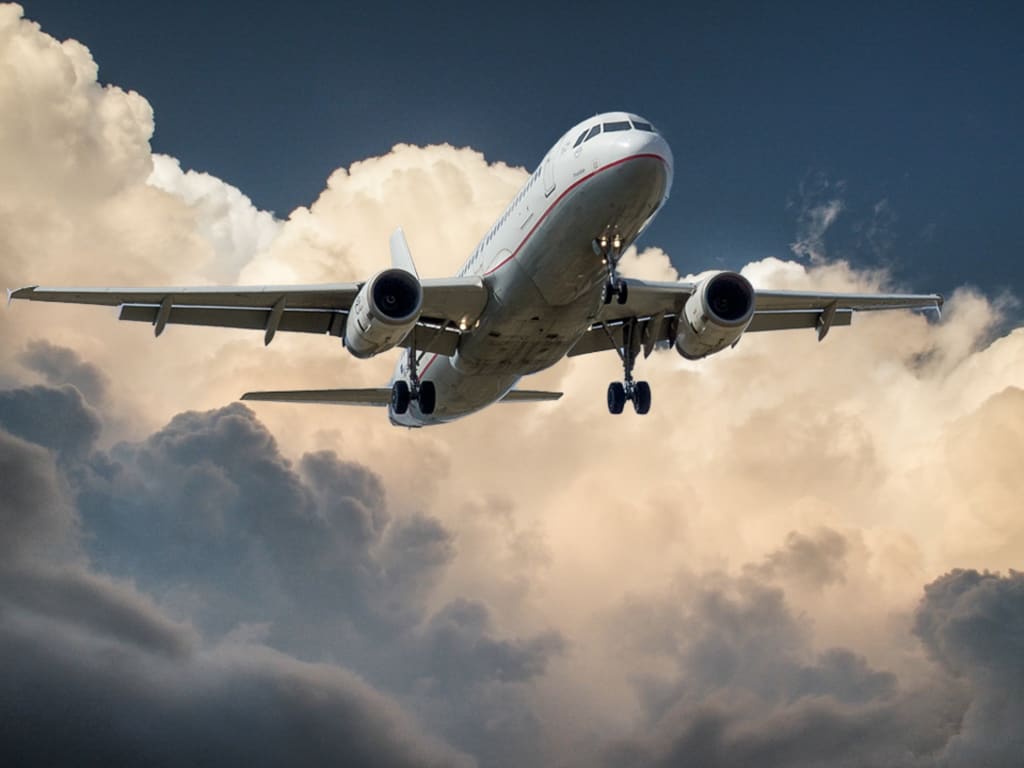
Dubai transformation that took everyone by supprise
Dubai is a city that has captured the world's imagination in recent decades, with its towering skyscrapers, stunning architecture, luxury hotels, and incredible shopping experiences. But how did this once-sleepy fishing village transform into one of the most visited cities in the world?
The story of Dubai begins over a century ago, in the late 19th century, when the region was a collection of small fishing villages along the Persian Gulf coast. Dubai was one of these villages, situated on the banks of Dubai Creek, which was an important trading hub for ships traveling between Asia and Europe.
At the time, the economy of the region was primarily based on fishing, pearl diving, and trading, but this would soon change. In the early 20th century, Dubai became a major center for the pearl trade, with merchants and traders from around the world coming to buy and sell pearls.
However, this period of prosperity was short-lived, as the Great Depression and the invention of the cultured pearl led to a sharp decline in the demand for natural pearls. The economy of Dubai was devastated, and the region was plunged into poverty.
But Dubai was not a city to be defeated by adversity. In the 1950s and 60s, the city began to diversify its economy and invest in infrastructure. Sheikh Rashid bin Saeed Al Maktoum, who was the ruler of Dubai from 1958 until his death in 1990, spearheaded this effort and set the city on a path to modernization and development.
One of the first major infrastructure projects was the construction of Dubai's first airport in 1959, which was a small airstrip used mainly for military purposes. This was followed by the dredging of Dubai Creek, which allowed larger ships to enter the port and established Dubai as a major trading hub.
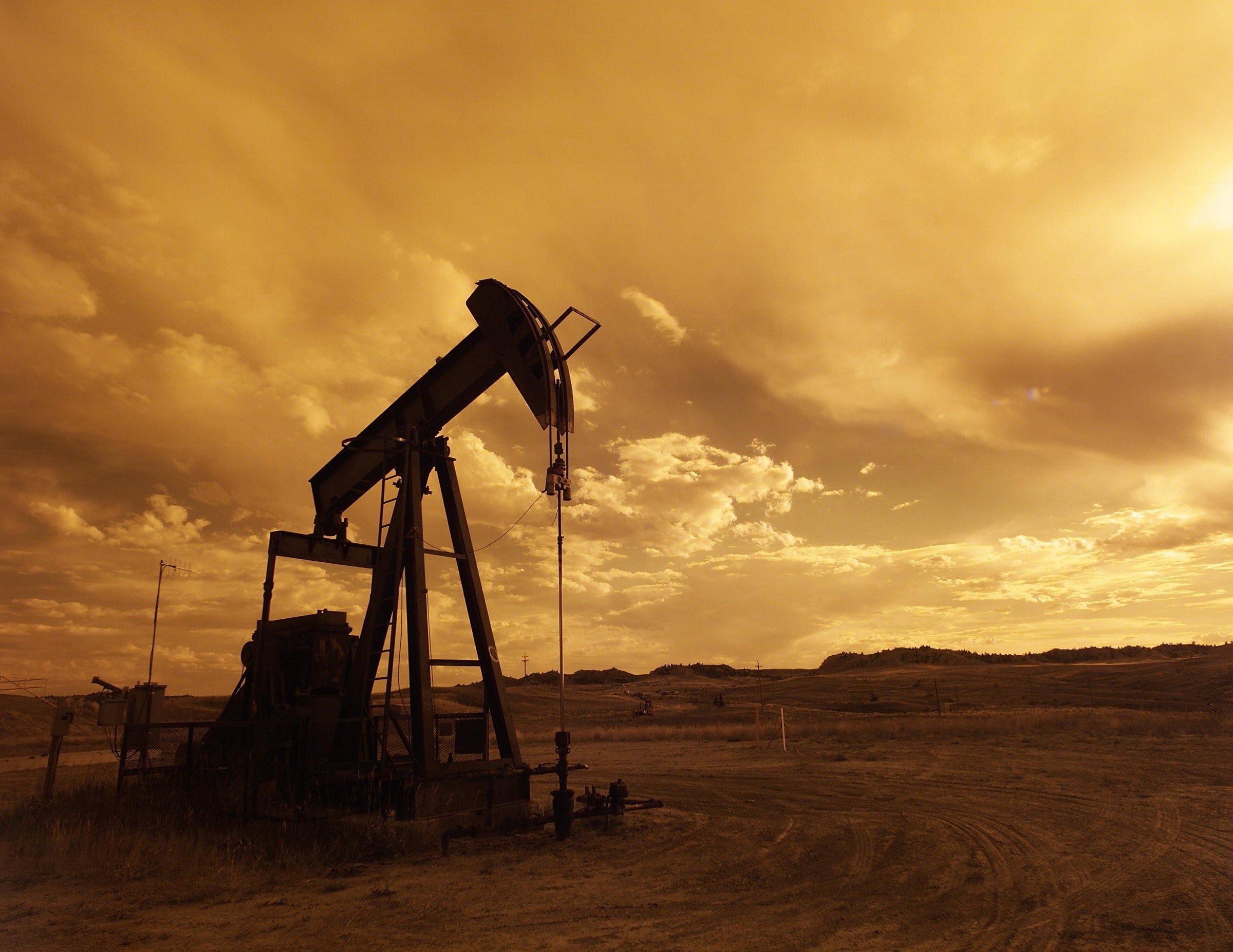
In the 1970s, the discovery of oil in the region brought newfound wealth to Dubai, and the city began to invest heavily in its infrastructure and development. Sheikh Rashid's vision was to transform Dubai into a world-class city that could rival the likes of New York, London, and Tokyo.
One of the key initiatives was the establishment of the Dubai World Trade Centre in 1978, which provided a platform for international trade and exhibitions. This was followed by the development of Dubai International Financial Centre, which became a hub for global finance.
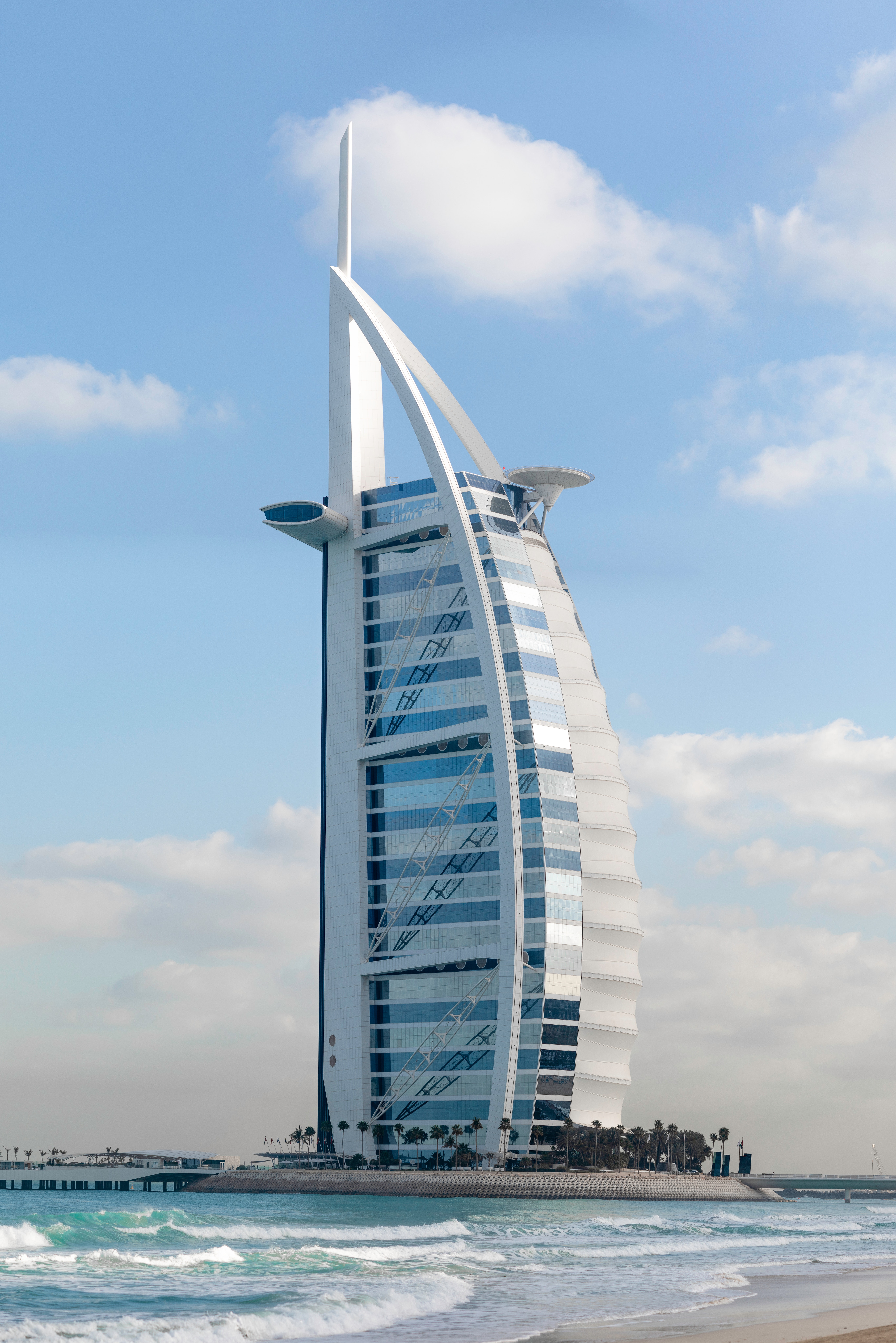
Dubai also invested heavily in tourism, recognizing the potential for this industry to drive economic growth. In the 1980s, the city began to build its first luxury hotels, such as the Emirates Towers and the Burj Al Arab, which became symbols of Dubai's opulence and luxury.
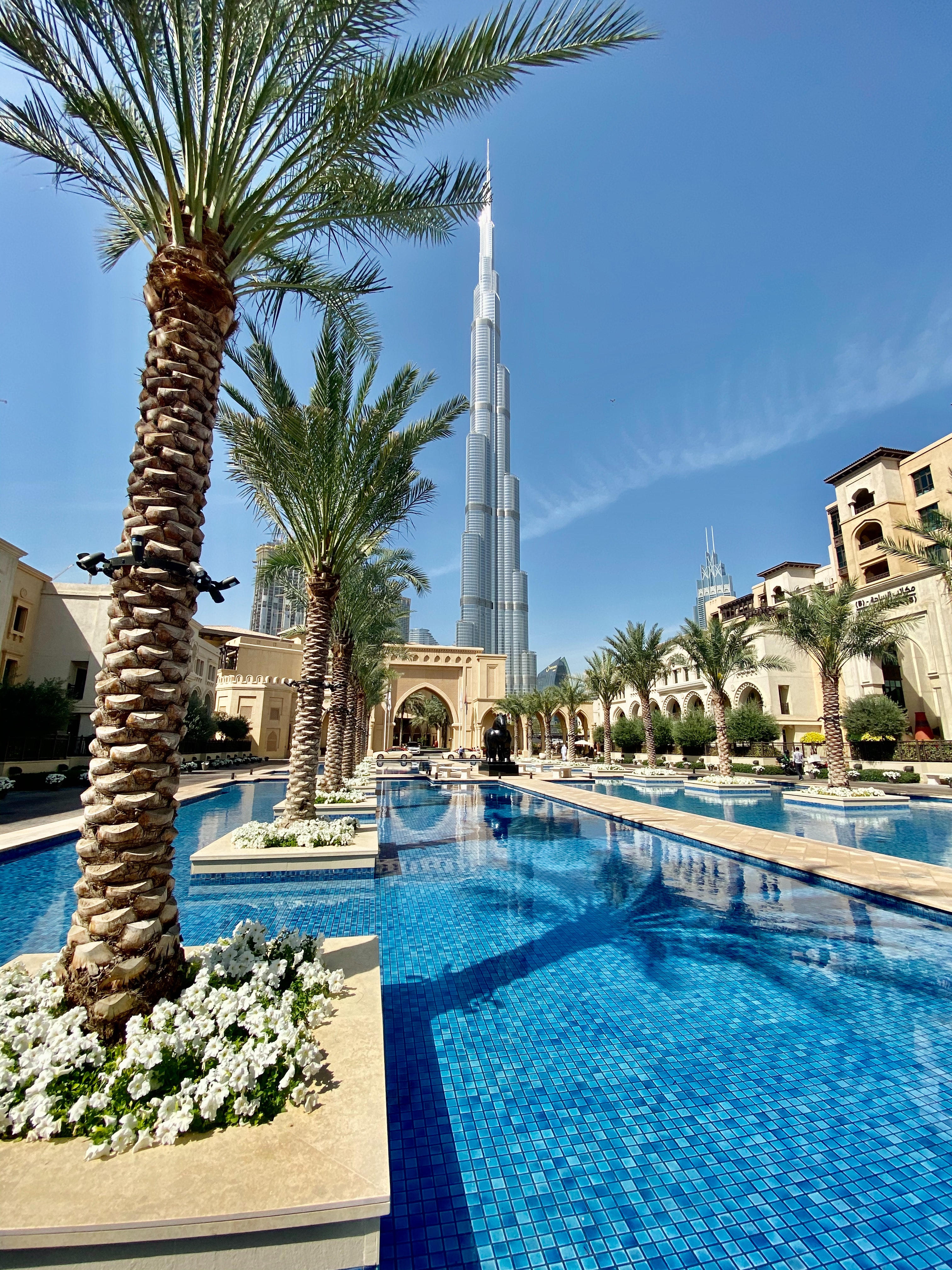
In 2002, Dubai launched one of its most ambitious projects to date – the construction of the Palm Jumeirah, an artificial island shaped like a palm tree that would add miles of coastline to the city. This was followed by the development of other mega-projects, such as the Burj Khalifa, the tallest building in the world, and the Dubai Mall, the largest shopping mall in the world.
Dubai's focus on tourism has paid off, with the city now welcoming millions of visitors each year. In 2019, Dubai welcomed a record 16.73 million visitors, making it one of the most visited cities in the world.
So, what makes Dubai so attractive to visitors? For starters, the city has a wide range of attractions, from cultural landmarks such as the Dubai Museum and Jumeirah Mosque, to modern marvels like the Burj Khalifa and the Dubai Miracle Garden, which is the largest flower garden in the world.
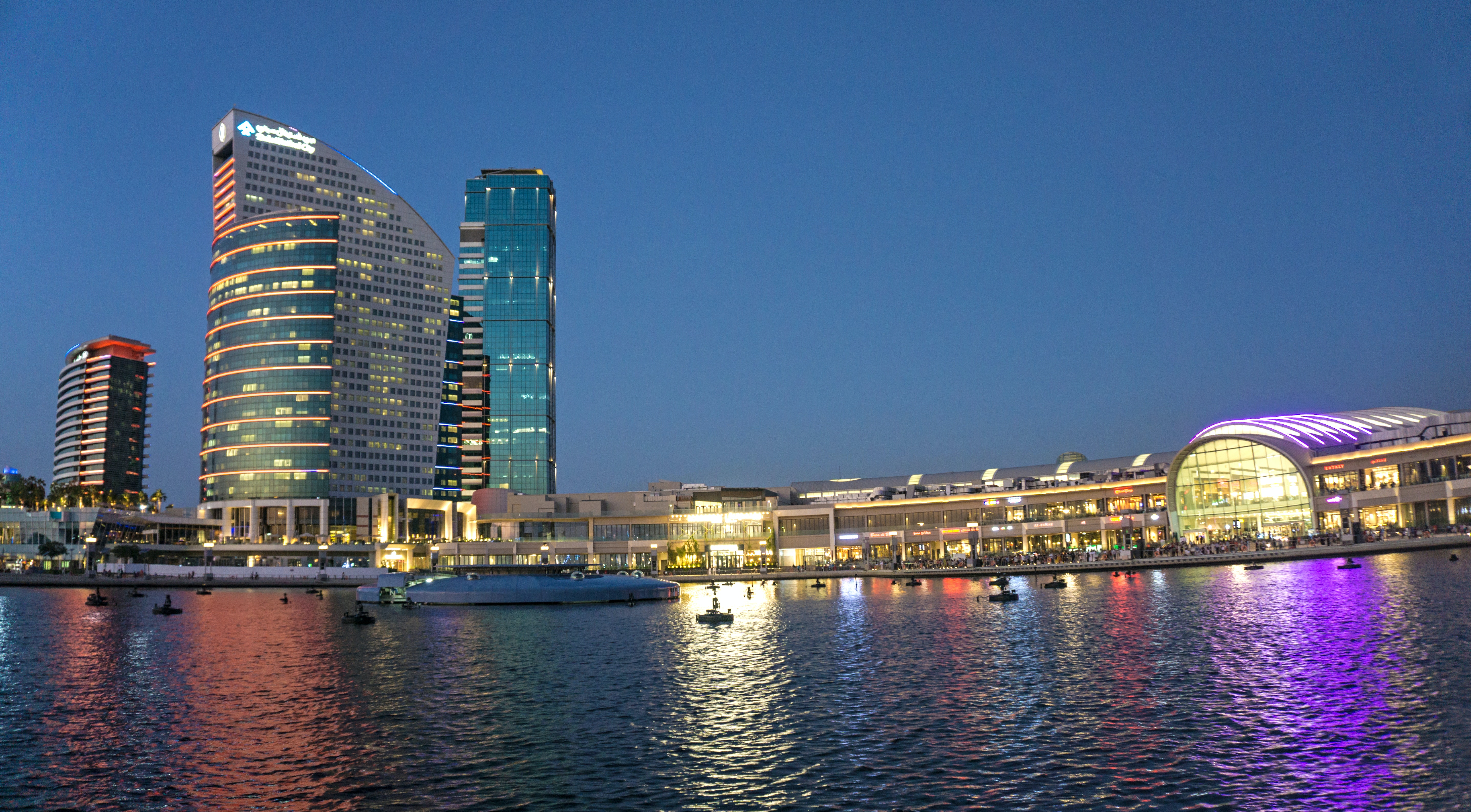
Dubai is also known for its luxurious shopping experiences, with a wide range of high-end boutiques, designer brands, and luxury malls such as the Mall
The above tranformation proves that no matter any situation that one found him self in,with fait, determination and vission, such person can turn his life around
get to work to change your reality starting today
Comments
There are no comments for this story
Be the first to respond and start the conversation.