
Fat Loss Diet Optimization. When It Comes to Fat Loss, Your Diet Matters Most
The Importance of Diet in Fat Loss
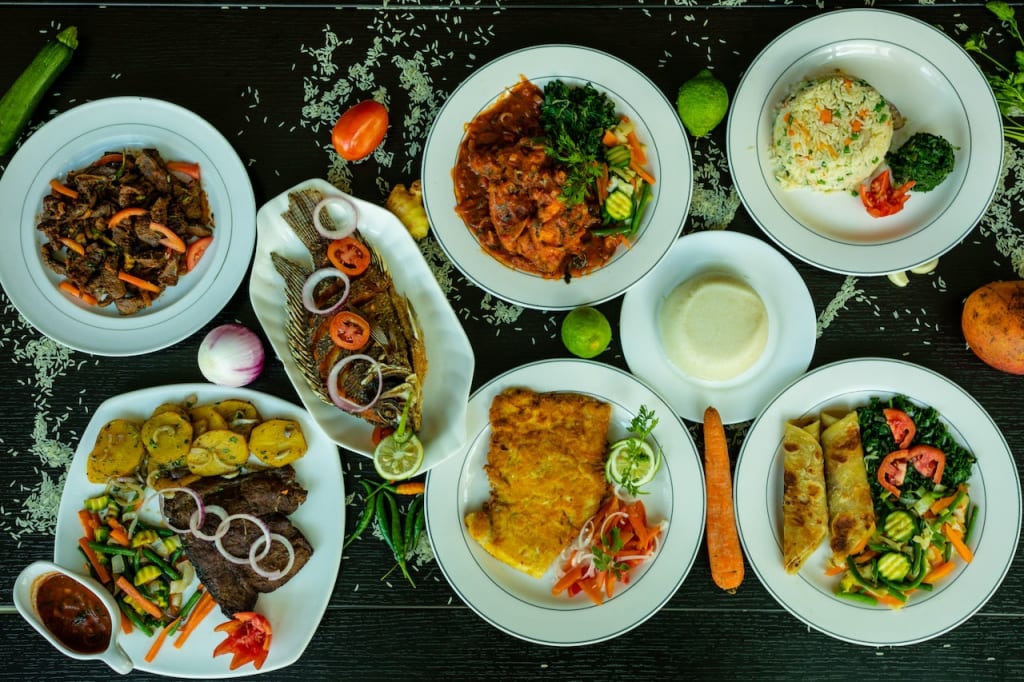
Fat Loss Diet Optimization. When It Comes to Fat Loss, Your Diet Matters Most
Introduction
The Importance of Diet in Fat Loss
Understanding Caloric Deficit and Fat Loss
Optimizing Calorie Intake
The Role of Protein
Adjusting Carbs and Fats
A Typical Day of Eating for Fat Loss
Supplements for Fat Loss
Conclusion
FAQs
Introduction:
When it comes to achieving fat loss, there's no denying the significance of your diet. While consistent training is essential, without a proper nutrition strategy, you won't achieve the desired results. With an overwhelming number of diets claiming to be the best way to lose fat, it can be challenging to know which approach to take. However, the truth is that all diets work in the same way – by creating a caloric deficit. In this article, we will explore the key factors to optimize your diet for fat loss, including caloric intake, protein, carbs, and fats.
The Importance of Diet in Fat Loss:
When it comes to fat loss, your diet plays a fundamental role. No matter how intense and consistent your training may be, without proper nutrition, you won't see the results you desire. Many people struggle with finding the right approach due to the abundance of new diets claiming to be the ultimate solution. However, it's important to understand that all diets or dieting methods work by creating a caloric deficit, meaning you consume fewer calories than you burn. While certain diets may have specific psychological and physiological benefits, they don't possess any magical fat loss effect.
Understanding Caloric Deficit and Fat Loss:
To optimize your diet for fat loss, you need to achieve a caloric deficit. Research suggests that a moderate caloric deficit is ideal for maximizing fat loss while minimizing muscle loss. It is recommended to aim for a weekly weight loss of around 0.7 percent of your body weight, which translates to approximately 1 pound per week for most individuals. Interestingly, a more aggressive caloric deficit can hinder fat loss instead of accelerating it. A good starting point for determining your calorie intake is to multiply your body weight by 13, as suggested by a 2014 paper from Eric Helms and colleagues. Adjust your calories based on your progress.
Optimizing Calorie Intake:
Managing your calorie intake is crucial for maximizing fat loss while preserving muscle mass. To optimize your diet, you must pay close attention to the number of calories you consume. Protein, carbs, and fats are the main macronutrients you should focus on.
The Role of Protein:
Protein plays a vital role in maintaining muscle mass while in a caloric deficit. Research consistently highlights the importance of protein for muscle preservation. Although the ideal protein intake is a debated topic, a 2018 meta-analysis from the Journal of Sports Medicine suggests consuming at least 0.73 grams of protein per pound of body weight to maximize muscle growth and maintenance. It's beneficial to consume slightly more protein when restricting calories, as protein is highly satiating and helps minimize muscle loss.
Adjusting Carbs and Fats:
The ongoing debate between low-fat and low-carb diets can be overwhelming. However, a 2018 year-long randomized clinical trial with over 600 subjects found that, with an equal protein intake, both low-fat and low-carb diets are equally effective for fat loss. Therefore, you can adjust your carb and fat intake based on your food preferences. It is generally recommended to consume.
A Typical Day of Eating for Fat Loss:
To give you an idea of how to structure your diet for fat loss, here's an example of a typical day of eating:
1. Breakfast: Start your day with a protein-rich meal such as scrambled eggs with vegetables or Greek yogurt with berries. This will help you feel full and satisfied.
2. Snack: Enjoy a mid-morning snack that includes a combination of protein and healthy fats, such as a handful of almonds or a protein shake.
3. Lunch: Opt for a balanced meal that includes lean protein (chicken breast, fish, tofu), a serving of vegetables, and a small portion of complex carbohydrates (brown rice, quinoa, sweet potato).
4. Afternoon snack: Choose a nutritious snack like carrot sticks with hummus or a small apple with almond butter.
5. Dinner: Focus on lean protein sources (lean meat, fish, legumes) paired with a generous serving of vegetables. Limit starchy carbs and opt for healthier alternatives like cauliflower rice or zucchini noodles.
6. Evening snack: If you feel the need for a snack, go for a protein-rich option like cottage cheese or a protein bar.
Remember to adjust portion sizes and total calorie intake based on your individual needs and goals. Tracking your food intake using a calorie-tracking app or journal can be helpful in staying on track.
Supplements for Fat Loss:
While a well-rounded diet should provide most of the nutrients you need, certain supplements can complement your fat loss efforts. However, it's important to note that supplements are not magic solutions and should not replace a healthy diet and lifestyle. Here are a few supplements that may support fat loss:
1. Protein powder: A convenient way to increase your protein intake, especially for individuals who struggle to meet their protein needs through whole foods alone.
2. Caffeine: Known for its potential to increase metabolism and fat oxidation, caffeine can be found in coffee, tea, or as a supplement.
3. Green tea extract: Rich in antioxidants and compounds like catechins, green tea extract may have a slight impact on fat metabolism.
4. Omega-3 fatty acids: Found in fish oil supplements, omega-3 fatty acids have been associated with various health benefits, including improved fat metabolism.
Remember to consult with a healthcare professional before adding any new supplements to your routine, especially if you have any underlying health conditions or are taking medications.
Conclusion
When it comes to fat loss, your diet is the key factor that will determine your success. By creating a caloric deficit and focusing on macronutrient balance, you can optimize your diet for fat loss while preserving muscle mass. Remember to prioritize protein intake, adjust your carb and fat intake based on personal preference, and monitor your calorie intake. Additionally, incorporating regular exercise and maintaining a healthy lifestyle are essential for long-term fat loss success.
FAQs:
1. Are there specific foods that promote fat loss?
While there are no magical fat-burning foods, some foods, such as lean proteins, vegetables, fruits, whole grains, and healthy fats, can support a healthy diet and fat loss goals.
2. Can I lose fat without exercise?
While a calorie deficit is crucial for fat loss, incorporating exercise into your routine offers numerous benefits, including increased calorie burn, improved body composition, and overall health.
3. How long does it take to see fat loss results?
Fat loss results vary depending on individual factors such as starting weight, genetics, diet, and exercise. Sustainable fat loss is typically achieved at a rate of 0.5-1 pound per week.
4. Is it necessary to count calories for fat loss?
While counting calories can be helpful for some individuals, it is not the only approach. Monitoring portion sizes, focusing on whole, nutrient-dense foods, and listening to your body's hunger and fullness cues are also effective strategies.
Remember, it's essential to consult with a registered dietician or healthcare professional to create a personalized plan that suits your specific needs and goals.
Overcoming Challenges and Staying Motivated:
Embarking on a fat loss journey can come with its fair share of challenges. Here are some tips to help you overcome obstacles and stay motivated:
1. Set realistic goals: It's important to set achievable goals that align with your lifestyle and capabilities. Unrealistic expectations can lead to frustration and disappointment. Break down your long-term goal into smaller, manageable milestones.
2. Find a support system: Surround yourself with supportive friends, family members, or even join online communities or support groups focused on healthy living and fat loss. Sharing your journey with others who have similar goals can provide motivation and accountability.
3. Track your progress: Keep track of your progress by taking measurements, photos, or keeping a journal. Seeing tangible results can boost your motivation and remind you of how far you've come.
4. Celebrate non-scale victories: While the scale is one way to measure progress, it's not the only indicator of success. Celebrate non-scale victories like increased energy, improved sleep, fitting into smaller clothes, or achieving fitness milestones.
5. Find enjoyable physical activities: Incorporate physical activities that you genuinely enjoy. Whether it's dancing, hiking, swimming, or playing a sport, finding activities you love will make exercise more enjoyable and sustainable.
6. Practice self-care: Taking care of your overall well-being is crucial for staying motivated. Prioritize sleep, manage stress levels, practice mindfulness or meditation, and engage in activities that bring you joy and relaxation.
Remember that fat loss is a journey, and there will be ups and downs along the way. Be patient with yourself and stay committed to your goals. If you encounter setbacks or plateaus, reassess your approach, seek support, and make adjustments as needed.
Final Thoughts:
Achieving fat loss involves adopting a sustainable and balanced approach to nutrition, exercise, and overall lifestyle. Focus on creating a calorie deficit through a combination of healthy eating and physical activity. Prioritize nutrient-dense foods, especially lean proteins, fruits, vegetables, whole grains, and healthy fats. Stay consistent, find strategies to overcome challenges, and celebrate your progress along the way.
Remember, it's always advisable to consult with a healthcare professional or registered dietician before starting any weight loss program, especially if you have underlying health conditions or specific dietary needs. They can provide personalized guidance and support to help you reach your fat loss goals safely and effectively.
Wishing you success on your fat loss journey!
About the Creator
Enjoyed the story? Support the Creator.
Subscribe for free to receive all their stories in your feed.
Comments
There are no comments for this story
Be the first to respond and start the conversation.