
Empathy Burnout: When Caring Becomes a Slow Burn to the Ground
Being the emotional rock for everyone can feel like getting crushed under the weight of the world. How do we fix a system that rewards self-sacrifice until there’s nothing left?

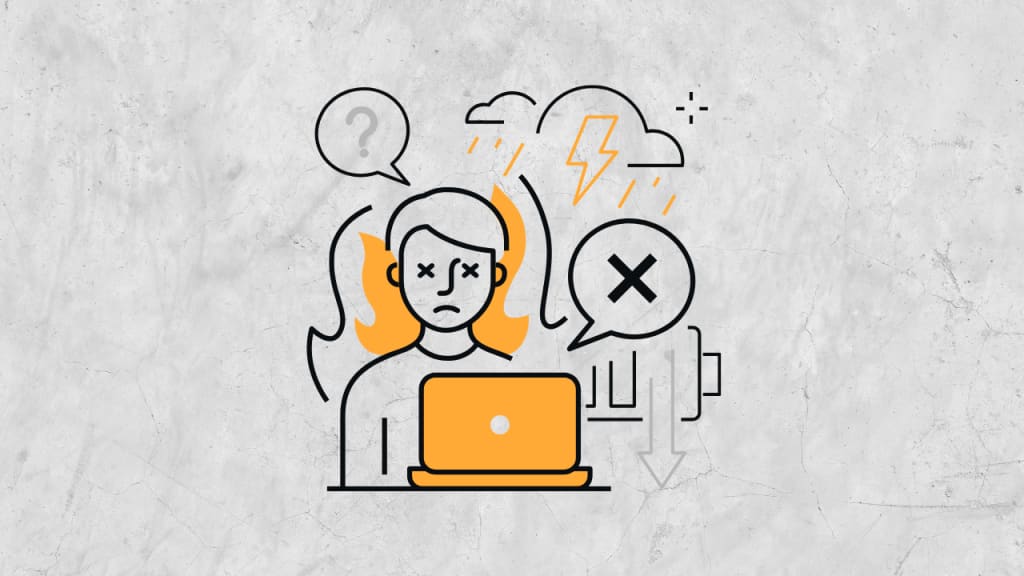
Let’s start with a truth bomb: empathy is a beautiful thing, but it’s also a double-edged sword. In a world that’s spinning faster than a barista on a triple espresso, being the person who cares—really, deeply cares—can feel less like a noble calling and more like a slow-motion self-destruction.
They call it empathy burnout, but let’s be honest: that phrase doesn’t do justice to the emotional apocalypse it creates. It’s not just being “a little tired” from listening to everyone’s problems. It’s exhaustion so deep you start questioning whether you have anything left to give.
But here’s the kicker—this isn’t just about you. It’s about a culture that’s built on squeezing every drop of compassion from its caregivers, customer service reps, and team leaders while offering little in return. So, how did we get here? And more importantly, how do we escape the empathy trap?
The Burden of Being the “Empath”
Empathy burnout doesn’t happen overnight. It’s a slow build, like a Jenga tower where every new piece is someone else’s emotional baggage.
Maybe you’re the manager who always listens, even when your own to-do list is screaming for attention. Or the HR rep tasked with softening the blow of corporate policies you didn’t write. Or the nurse who can’t unsee the pain you witness every single day.
At first, being the go-to person for emotional support feels good—like you’re making a difference. But over time, that feeling fades. You stop listening with intention and start running on autopilot. You’re there, but not there. And that’s the scariest part—when empathy stops feeling like a choice and starts feeling like an obligation.
Why the System Rewards Burnout
Here’s the dirty little secret no one talks about: modern workplaces thrive on empathy burnout.
Think about it. Leaders are told to “put people first,” but they’re also saddled with unrealistic goals and shrinking budgets. Nurses, teachers, and social workers are praised for their compassion but left to deal with the emotional wreckage of underfunded systems. Even customer service reps are expected to smile through verbal abuse and call it “job satisfaction.”
It’s no accident. Empathy burnout is baked into the system. If you’re too tired to push back, too drained to set boundaries, the machine keeps churning. And because you’re “the caring one,” you’re less likely to complain—and more likely to keep giving until there’s nothing left.
When Empathy Turns Toxic
Here’s the paradox: empathy is supposed to connect us, but unchecked, it isolates us.
When you’re constantly pouring out emotional energy, you stop investing in your own needs. Friendships feel like chores. Hobbies become another thing you don’t have time for. You snap at your partner because they left dishes in the sink—not because of the dishes, but because you’re running on fumes.
And worst of all? You start resenting the very people you want to help. It’s not their fault—they’re just asking for what they need. But when the tank is empty, even a small ask can feel like a burden too heavy to carry.
The Way Out (Spoiler: It’s Not Just “Self-Care”)
If one more person tells you to “just take a bubble bath,” you might scream. Self-care isn’t a magic wand that fixes systemic issues. It’s a Band-Aid on a bullet wound.
Here’s what actually helps:
- Set Boundaries and Stick to Them: Saying “no” isn’t selfish—it’s survival. You can’t pour from an empty cup, so stop trying.
- Demand Better Systems: Burnout isn’t just a personal problem; it’s a structural one. Advocate for better policies, support, and resources, even if it feels like shouting into the void.
- Normalize Vulnerability: Being the empathetic one doesn’t mean you’re invincible. Talk about your struggles with people you trust. Empathy is a two-way street—let others show it to you.
- Redefine Success: Caring isn’t about fixing everything for everyone. It’s about doing what you can, when you can, without destroying yourself in the process.
You Can’t Be Everything to Everyone
Here’s the thing about empathy: it’s not infinite. It’s a precious resource, and like anything valuable, it needs to be managed wisely.
So if you’re feeling burned out, take a step back. The world will still be here if you take a break. The people you care about will understand if you can’t always show up at 100%. And the systems that exploit your empathy? They can wait while you figure out how to protect yourself.
Because at the end of the day, empathy is only meaningful if it doesn’t destroy the person giving it.
About the Creator
WorkShyft
WorkShyft empowers leaders with empathy, accountability, and a growth mindset to transform outdated practices and inspire thriving workplace cultures. Follow us on LinkedIn and join us in redefining leadership for lasting impact.
Enjoyed the story? Support the Creator.
Subscribe for free to receive all their stories in your feed.
Comments
There are no comments for this story
Be the first to respond and start the conversation.