
Depression & Anxiety
Some solutions for depression and anxiety
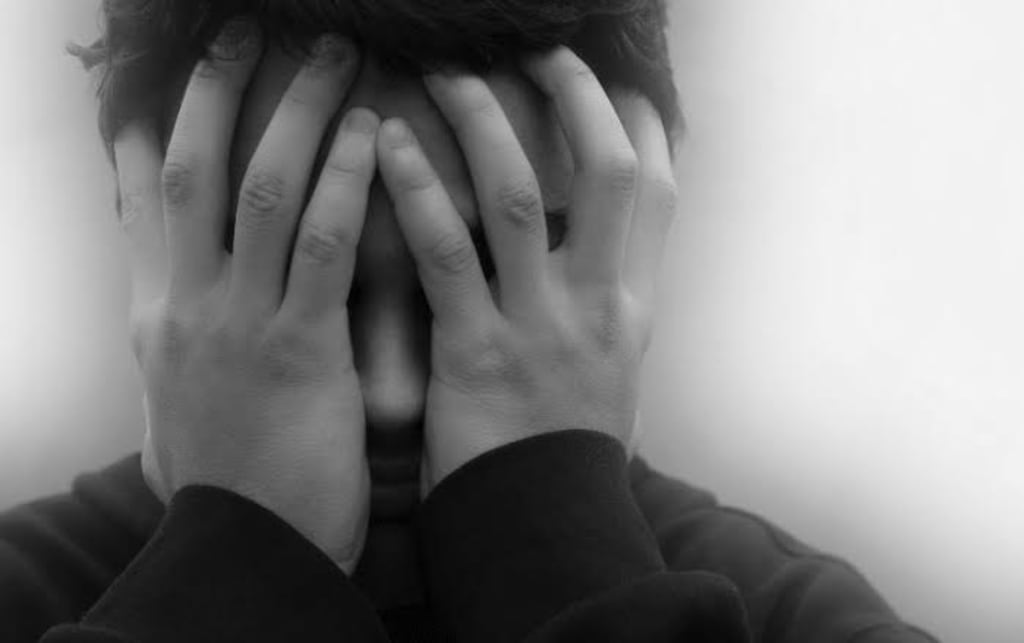
DEPRESSION:
Are you feeling depressed? If so, I'm here to listen and offer support. Remember, depression is a common mental health condition that can be treated with therapy, medication, lifestyle changes, and support from loved ones. It's important to seek professional help if you're experiencing symptoms of depression, such as persistent sadness, loss of interest in activities, feelings of worthlessness or guilt, fatigue, and changes in appetite or sleep patterns.
HOW TO OVERCOME YOUR DEPRESSION:
Depression can be a difficult and challenging experience to overcome, but there are many steps and techniques that can help you manage and overcome the condition. Here are a few tips:
1. Seek help from a mental health professional. This is the most important step to overcoming depression.
2. Practice self-care activities such as exercise, healthy eating, and meditation.
3. Engage in activities that make you happy and fulfill you such as hobbies or volunteering.
4. Surround yourself with supportive and positive people.
5. Avoid drugs and alcohol, which can exacerbate depression.
6. Challenge negative thought patterns and work on reframing your thoughts.
7. Set realistic goals for yourself and celebrate your successes.
Remember that everyone experiences depression differently and what works for one person may not work for another. It's important to be patient and persistent in finding what works best for you.
DEPRESSED PEOPLES SOLUTIONS:
would benefit from regular exercise, a healthy diet, and getting professional help. It may also be helpful for them to engage in activities they enjoy and to surround themselves with supportive people. It's important for them to take care of themselves and seek out positive experiences and connections.
DEPRESSION AT YOUNG AGE:
I'm sorry to hear that you or someone you know is experiencing depression at a young age. It's important to seek help and support from trusted friends, family members, or a mental health professional. Some common symptoms of depression can include feelings of sadness, hopelessness, loss of interest in activities, changes in appetite or sleep patterns, difficulty concentrating, and thoughts of self-harm or suicide. It's important to prioritize self-care and take steps to manage symptoms, such as regular exercise, eating a healthy diet, getting enough sleep, and practicing relaxation techniques like mindfulness or meditation.
ANXIETY:
I'm sorry to hear that you're feeling anxious. Is there anything you would like to talk about and explore further? Sometimes just talking to someone can help alleviate some of the anxiety.
HOW TO OVERCOME ANXIETY:
There are several things you can do to overcome anxiety, such as practicing mindfulness and deep breathing exercises, staying active and engaged in activities that you enjoy, engaging in positive self-talk, seeking the support of friends and family, and considering counseling or therapy with a trained professional. Additionally, making healthy lifestyle choices, such as eating a balanced diet, getting plenty of sleep, minimizing your intake of caffeine and alcohol, and exercising regularly, can also help lessen feelings of anxiety. Remember, anxiety is a normal part of life, and there is nothing wrong with seeking help or support when you need it.
ANXIETY ATTACK SOLUTIONS:
Here are some potential solutions to anxiety attacks:
1. Deep breathing exercises: Slow, deep breaths can help regulate feelings of anxiety and reduce physical symptoms like rapid heartbeat and shallow breathing.
2. Meditation: Regular meditation practice has been shown to reduce symptoms associated with anxiety and stress.
3. Exercise: Physical activity can help reduce anxiety and improve overall well-being. Even just a short walk or yoga session can make a difference.
4. Talking to someone: Talking to a trusted friend, family member, or mental health professional can provide support and healthy coping mechanisms.
5. Progressive muscle relaxation: This involves tensing and relaxing various muscle groups throughout the body to promote relaxation and reduce physical symptoms of anxiety.
6. Mindfulness: Mindfulness practices involve paying attention to the present moment and can help reduce anxious thoughts and feelings.
It's important to remember that different solutions work for different people, and finding what works best for you may take some trial and error.
About the Creator
Enjoyed the story? Support the Creator.
Subscribe for free to receive all their stories in your feed.
Comments
There are no comments for this story
Be the first to respond and start the conversation.