
AI Cruelty in Business and Employment: A Growing Concern
How Automation and Algorithms Are Undermining Fairness and Human Dignity in the Workplace

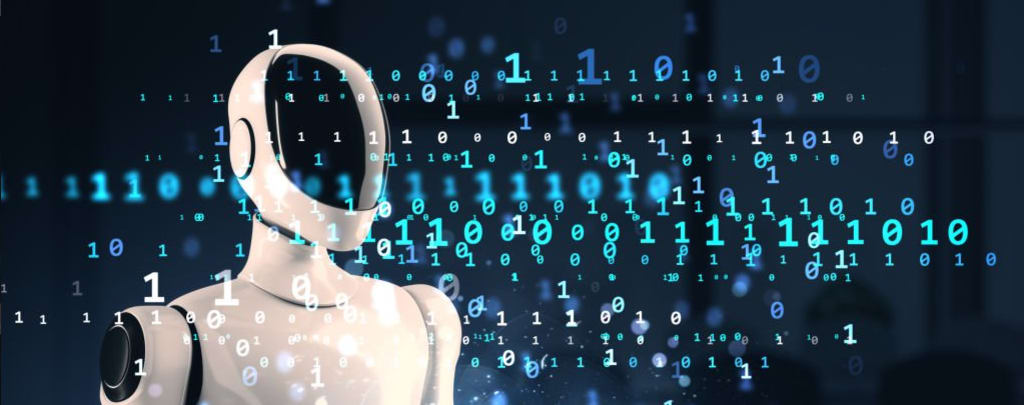
A Developing Concern
As counterfeit insights become more integrated into the workplace, questions are rising about how it is affecting workers, job seekers, and even entire industries. While AI promises productivity, speed, and cost savings, it also presents a darker side, one that involves job displacement, loss of dignity, and ethical concerns. The rise of AI isn’t just a technological shift, it's a transformation that's reshaping human lives in significant and sometimes harsh ways.
The Job Displacement Problem
One of the most immediate and obvious impacts of AI is the automation of jobs. Roles that once required human input, from customer service and data entry to manufacturing and logistics, are increasingly being handled by machines. For businesses, this translates into lower labor costs and round-the-clock efficiency. But for workers, especially those in routine or repetitive jobs, it often means unemployment or the constant fear of becoming obsolete.
This shift can be especially cruel for older workers who have spent decades in a particular industry. Adapting to new technology or reskilling for another role isn’t always feasible. The result may be a growing population of people who are left behind, not because they lack the will to work, but because they have been replaced by a machine that can do the job faster and cheaper.
Bias and Discrimination in AI Systems
AI systems are only as good as the data they are trained on. Unfortunately, that data often reflects the biases and prejudices of the real world. This has led to AI tools that reinforce existing inequalities in hiring, performance evaluations, and even credit approvals.
For example, an AI used for screening job applicants might favor candidates from certain backgrounds while filtering out others based on factors like name, gender, or ZIP code. These systems can make thousands of decisions in minutes, but without transparency or accountability, they can silently perpetuate discrimination on a large scale.
It’s cruel to be denied a job or opportunity because a machine found a pattern in your résumé that it didn’t like, especially when that pattern might have nothing to do with your ability or potential.
The Illusion of Objectivity
One of the most deceptive aspects of AI in business is the illusion that it is neutral and objective. Decision-makers often trust algorithms blindly, believing that machines cannot be biased. This mindset leads to over-reliance on AI, even when it produces results that defy logic or fairness.
This over-reliance strips away human judgment and empathy from important decisions. Employees are terminated based on performance metrics that don’t capture the full story. Job seekers are rejected without a human ever reading their resumes. People become data points in a system that values efficiency over fairness.
The Pressure to Perform
In workplaces where AI tools monitor productivity, employees face new kinds of pressure. Surveillance tools track keystrokes, emails, and activity levels. While employers argue that this promotes accountability, it often leads to stress, burnout, and loss of autonomy.
Workers may feel they are constantly being watched by a machine that doesn’t understand breaks, mood, or context. This creates a toxic environment where fear replaces motivation, and creativity is stifled under the weight of analytics.
Where Do We Go From Here
AI in business and commerce isn’t inherently evil. It holds the potential to reduce workload, improve decision-making, and create new kinds of jobs. But when used recklessly or without empathy, it becomes a tool of cruelty.
To build a future where AI supports rather than harms, businesses need to prioritize ethical practices. This means transparent algorithms, human oversight, fair data practices, and a commitment to upskilling displaced workers.
The rise of AI should not come at the cost of human dignity. It is time to ensure that progress does not become a synonym for suffering. Only then can we truly call it advancement.
About the Creator
Nafees Salman
Nafees Salman is a passionate storyteller who brings everyday moments to life through captivating narratives.
With a unique ability to connect with others, they craft stories that inspire, entertain, and resonate deeply with their audience.
Enjoyed the story? Support the Creator.
Subscribe for free to receive all their stories in your feed.
Comments
There are no comments for this story
Be the first to respond and start the conversation.