
Why Some People Prefer Being Alone: The Psychology Behind Solitude
Choosing solitude does not always mean someone is lonely. Sometimes, being alone is how people recharge, think clearly and protect their peace.
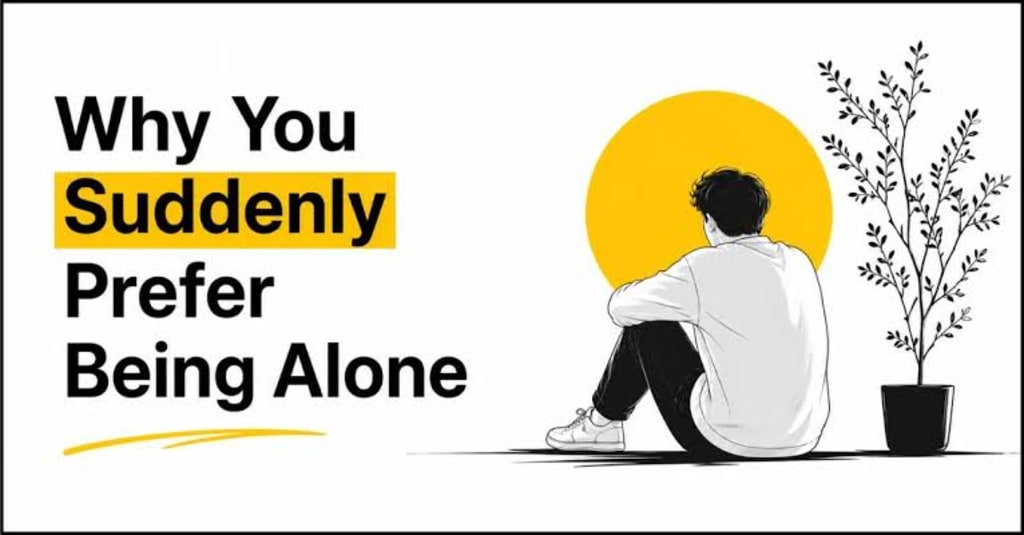
In a world where people are constantly connected through phones, social media and messaging apps, choosing to spend time alone can sometimes seem unusual.
If someone regularly declines invitations, enjoys eating alone or prefers a quiet evening at home, others may quickly assume that the person is lonely, unfriendly or antisocial.
But the reality is much more complicated.
Some people genuinely enjoy solitude. For them, being alone is not a punishment or a sign that something is wrong. It can be a way to recharge, organize their thoughts and escape the constant demands of social interaction.
Understanding why people choose solitude can reveal a lot about personality, emotional energy and modern life.
1. Being Alone Helps Them Recharge
Social interaction requires energy. Even enjoyable conversations can become tiring when someone has been around people for many hours.
People who prefer solitude may simply need quiet time to recover.
After a busy day, they might rather sit quietly, listen to music, read a book or watch something alone than continue talking to others.
This does not necessarily mean they dislike people. They may simply have a different way of restoring their energy.
2. They Enjoy Their Own Company
Some people become comfortable spending time with themselves.
They can go to a restaurant alone, watch a movie alone, take a walk or spend an entire evening without needing someone else around.
This can be a sign of independence.
Being comfortable alone can also give people an opportunity to understand their own interests without constantly worrying about what others want.
3. They Think Better in Quiet Environments
Constant conversations, notifications and social media can make it difficult to think clearly.
Solitude removes many of these distractions.
Some people use quiet time to reflect on their goals, make decisions or process emotions. They may discover that they solve problems more effectively when they have space to think without interruption.
For creative people, solitude can also provide an environment where ideas develop more naturally.
4. They May Have Experienced Disappointing Relationships
Past experiences can influence how comfortable someone feels around others.
A person who has experienced repeated betrayal, rejection or unhealthy relationships may become more cautious about who they allow into their life.
They may prefer being alone because solitude feels predictable and emotionally safer.
However, this does not mean every person who enjoys solitude has been hurt. Personality, lifestyle and individual preferences can also explain the choice.
5. They Prefer Deep Connections Over Large Social Circles
Some people do not want dozens of friends.
Instead, they may prefer having one or two people they genuinely trust.
They can enjoy meaningful conversations while finding small talk and large gatherings exhausting.
From the outside, such people may appear highly social one day and completely private the next. In reality, they may simply value quality over quantity.
6. Social Media Has Changed the Meaning of “Being Connected”
Modern technology makes it possible to communicate with hundreds or even thousands of people without having a single meaningful conversation.
Someone may have a large online following and still crave genuine privacy.
This is why the number of messages, followers or social-media contacts a person has does not necessarily tell us how socially fulfilled they are.
Sometimes stepping away from constant online interaction can feel refreshing.
7. Solitude Can Help With Self-Discovery
When people are constantly surrounded by others, they can become influenced by other people's opinions.
Spending time alone creates an opportunity to ask important questions:
What do I actually want?
What makes me happy?
Which goals belong to me rather than other people?
What kind of life do I want to build?
These questions can be difficult to answer when someone is constantly trying to meet social expectations.
When Solitude Becomes a Problem
Enjoying alone time is not automatically a problem.
However, there is an important difference between healthy solitude and unwanted isolation.
If someone suddenly stops communicating with everyone, loses interest in activities they once enjoyed, avoids work or responsibilities, or experiences persistent sadness, anxiety or hopelessness, it may be worth seeking professional support.
The issue is not simply being alone. The important question is whether the person is choosing solitude or feeling trapped in it.
The Difference Between Loneliness and Solitude
Loneliness is about how someone feels, while solitude describes a situation.
A person can be physically alone and feel completely peaceful.
Another person can be surrounded by friends and still feel deeply lonely.
This distinction is important because spending time alone is not necessarily evidence of poor social wellbeing.
Healthy solitude can provide rest, reflection and independence. Unwanted isolation can leave someone feeling disconnected and unsupported.
Final Thoughts
Not everyone who prefers being alone is lonely.
Some people simply feel more comfortable with quiet environments, smaller social circles and meaningful relationships. They may use solitude to recharge, think, create and understand themselves better.
In a culture that often celebrates being constantly busy and socially connected, choosing peace and privacy can actually be a healthy personal preference.
The next time you see someone sitting alone, don't automatically assume they are unhappy.
They might simply be enjoying something many people rarely give themselves enough of: peace and their own company.
This article is for general informational purposes and is not a diagnosis of any mental-health condition.
About the Creator
Enjoyed the story? Support the Creator.
Subscribe for free to receive all their stories in your feed.
Comments
There are no comments for this story
Be the first to respond and start the conversation.