
Why Modern Nursing Home Leadership Demands More Than Management
The story of Sheth Jeebun highlights why the future of elderly care in the UK depends on leaders who combine clinical insight, operational strength, and genuine compassion
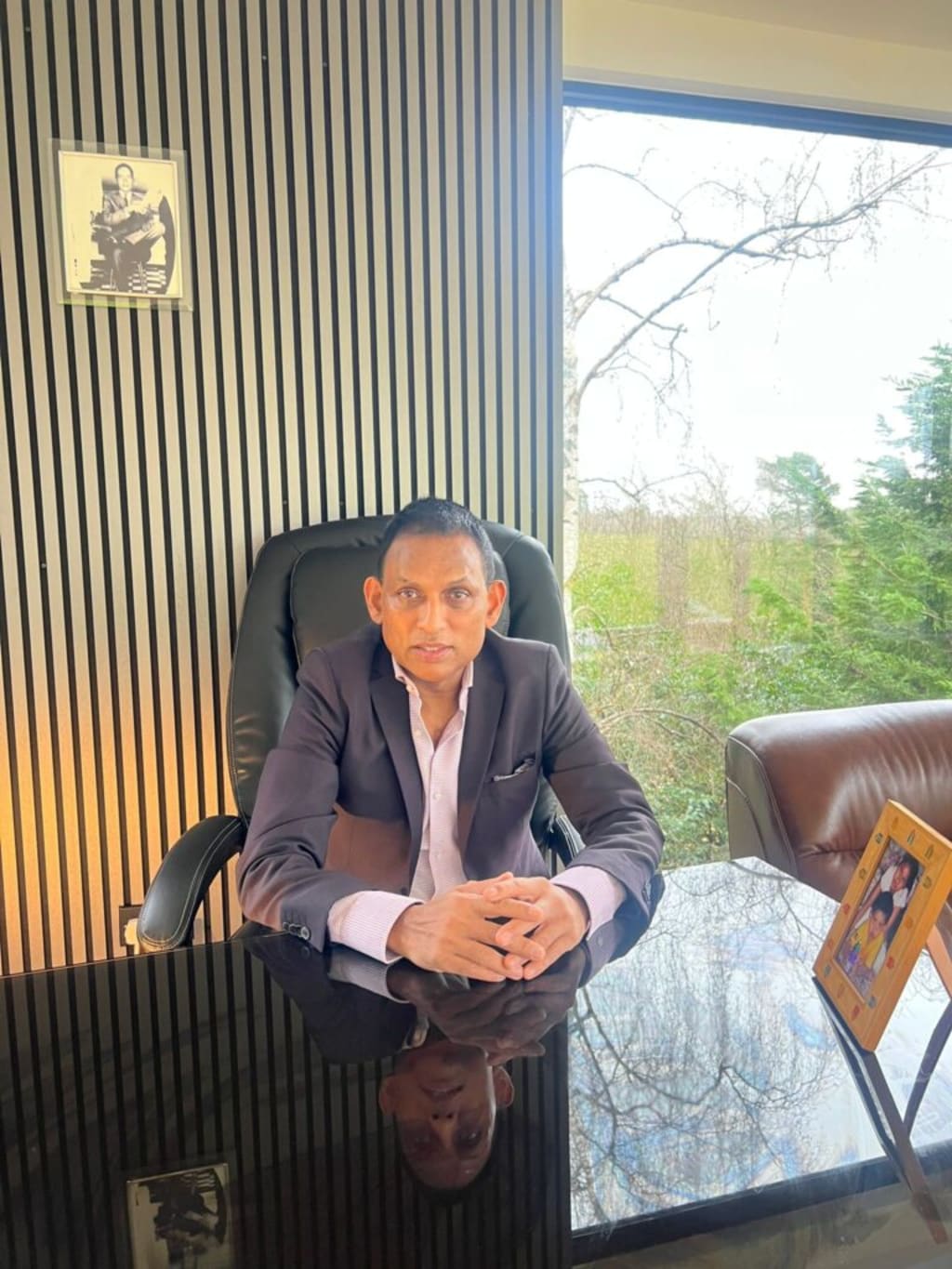
The United Kingdom’s elderly care sector has undergone a major transformation over the past few decades. What was once often treated as a service of necessity has become one of the most sensitive and demanding areas of healthcare leadership. Nursing homes today are expected to do far more than provide accommodation and routine support. They are expected to deliver safety, dignity, consistency, emotional reassurance, and a meaningful standard of living for people who may be at the most vulnerable stage of life.
That change has also transformed the idea of leadership itself.
Modern nursing home leadership can no longer be limited to administration. It is no longer enough for a leader to manage rosters, budgets, and inspections from a distance. Those responsibilities are essential, but they are only one part of the picture. The strongest leaders in today’s care sector are those who understand care from the inside out. They know the operational demands of the job, but they also understand the emotional and clinical realities behind every decision.
This is why the professional journey of Sheth Jeebun offers an important lens through which to view the sector. His career reflects a path that began in direct healthcare work and developed into wider leadership in nursing home services. That kind of progression matters because it reveals the qualities the sector increasingly values: not detached authority, but informed leadership rooted in experience.
Beginning as a registered nurse in the late 1980s, Jeebun gained firsthand knowledge of patient care before moving into management and operational oversight. That early foundation is more than a career detail. It helps explain why certain healthcare leaders are able to navigate complex care environments more effectively than others. When someone has worked directly with patients, they understand that quality care is not just about systems performing well on paper. It is about whether staff are supported, whether residents feel heard, and whether daily routines are shaped by humanity rather than habit.
This shift toward a more human and strategic form of leadership has become increasingly necessary in the care home sector. The UK’s ageing population has led to a greater need for long-term care, while public expectations of care quality have also risen. Families want reassurance that loved ones will be treated with respect. Regulators want evidence of safety and compliance. Staff need direction, training, and support. Residents need stability, kindness, and competent care. A care home leader must somehow hold all of these responsibilities together.
That is not an easy task. It calls for judgment, discipline, and resilience. It also calls for a leadership style that sees care homes not merely as institutions, but as living communities. Every nursing home contains relationships, routines, risks, and emotions. It is a place where healthcare and human vulnerability meet every day. Because of that, leadership decisions have consequences that go beyond workflow. They shape culture.
One of the most important developments in modern elderly care has been the move toward person-centred care. This approach places the resident, rather than the system, at the centre of decision-making. It recognises that older adults are individuals with preferences, histories, fears, and values. Good care, therefore, is not only about completing tasks. It is about creating an environment where people retain dignity and identity even when they need substantial support.
Leadership plays a decisive role in whether person-centred care becomes reality or remains a slogan. A leader sets expectations, models values, and determines whether staff feel empowered to treat residents as individuals rather than routines. This is where a background in direct care can make a real difference. Leaders with clinical experience are often more alert to the subtle factors that affect resident wellbeing, from communication style to team coordination to the quality of everyday interactions.
As Jeebun moved into nursing home development and healthcare management during the 1990s and early 2000s, his career reflected another important trend in the sector: the need for leaders who can grow services without losing sight of care standards. Expansion in elderly care is only valuable if it is matched by consistency, structure, and accountability. Growth without quality can damage trust. Leadership, therefore, becomes the bridge between ambition and responsibility.
His current role at Cardinal Healthcare further underscores this point. Senior leadership in care organisations is not simply about overseeing operations. It is about shaping an entire standard of service. It means ensuring that care delivery, staff performance, and organisational systems all support the same goal: high-quality resident care. In that sense, leadership becomes a protective force. It safeguards both the function of the organisation and the experience of the people who depend on it.
The broader lesson here is clear. The future of nursing home leadership in the UK will depend on people who can think strategically without becoming distant, and who can manage systems without forgetting the human beings inside them. In elderly care, leadership must be both competent and compassionate. One without the other is not enough.
That is what makes Sheth Jeebun’s professional story relevant beyond biography. It illustrates the kind of leadership the sector increasingly requires. It suggests that the best leaders are not those who simply supervise care from above, but those who understand its realities at ground level and can translate that understanding into better services.
As the care sector continues to evolve, one truth will remain. Nursing homes need more than managers. They need leaders who can create trust, raise standards, and keep care deeply human. That is the challenge of the present, and it is also the responsibility of the future.
About the Creator
Enjoyed the story? Support the Creator.
Subscribe for free to receive all their stories in your feed.
Comments
There are no comments for this story
Be the first to respond and start the conversation.