
Why Leadership Still Defines Quality in UK Elderly Care
In a sector built on trust, dignity, and responsibility, strong leadership remains one of the biggest factors shaping the everyday experience of elderly residents.
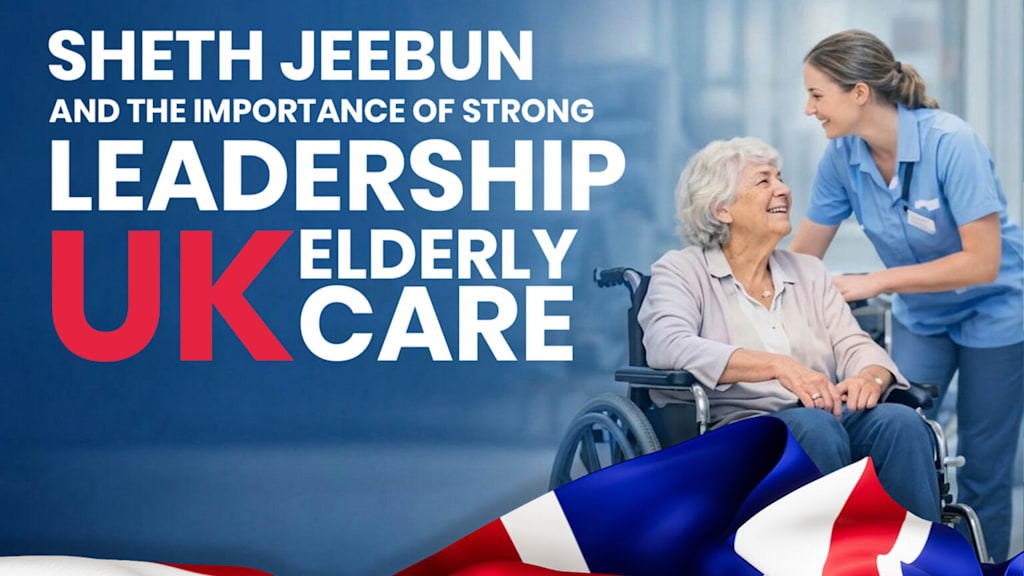
When people talk about elderly care in the United Kingdom, the conversation often begins with funding, staffing, inspections, or regulation. Those issues matter. They shape how care homes operate and influence the services available to older residents and their families. But beneath all of those visible pressures lies something even more important: leadership.
A well-led care environment does not happen by accident. It is created over time through decisions, culture, accountability, and practical experience. In elderly care, leadership is not simply about supervising teams or keeping operations on schedule. It is about setting standards for compassion, consistency, and safety. It is about ensuring that residents are not treated as numbers on a chart, but as people whose dignity should remain at the centre of every decision.
This is why experienced figures in the sector continue to matter. The journey of professionals like Sheth Jeebun reflects a wider truth within UK elderly care: the quality of leadership often shapes the quality of life inside a care setting.
Leadership Is More Than Administration
Many people outside the sector assume leadership in care homes is mostly administrative. They imagine paperwork, rotas, budgets, and policy compliance. While those responsibilities are real, they are only one part of the picture.
Strong leadership in elderly care influences the entire atmosphere of a service. It affects how staff communicate, how quickly concerns are addressed, how clearly families are informed, and how confidently teams respond to change. A capable leader builds systems, but they also build trust. They give staff direction while also giving residents reassurance.
That balance matters because elderly care is deeply human work. Residents may need medical support, emotional comfort, help with daily routines, or simply the reassurance that they are being seen and heard. Good leadership makes room for all of that. It creates an environment where care is not reduced to tasks, but delivered with patience and professionalism.
Why Clinical Experience Matters
One of the strongest foundations for care leadership is direct healthcare experience. Leaders who have worked close to residents often carry a more grounded understanding of what good care looks like in practice. They know that behind every policy is a person. Behind every staffing decision is a team under pressure. Behind every complaint is often a family looking for clarity and trust.
That is why a career path that begins in nursing and grows into management is especially valuable. It combines operational decision-making with real-world awareness. Instead of viewing a care home only through budgets and performance targets, such leaders understand its emotional and clinical realities as well.
Professionals with this background are often better prepared to make balanced decisions. They can think strategically without losing sight of the resident experience. In a sector where routines, medical needs, safeguarding, communication, and compliance all intersect, that kind of perspective is not optional. It is essential.
The Everyday Impact of Strong Leadership
Leadership in elderly care is often most visible in ordinary moments. It shows up in whether staff feel supported on a difficult shift. It shows up in whether residents feel secure in their surroundings. It shows up in how calmly a team handles pressure and how consistently standards are maintained when no one is watching.
Safe and supportive care environments do not emerge from mission statements alone. They depend on leaders who understand how to maintain professional standards, encourage respectful communication, support workforce development, and plan for improvement over time.
Families notice this, too. They may not always see internal systems or management discussions, but they do notice the results. They notice whether a home feels settled. They notice whether staff appear confident and attentive. They notice whether communication is clear and whether concerns are handled with maturity and care.
In that sense, leadership becomes visible through culture. A strong leader may not always be the loudest person in the room, but their influence is felt in the way the entire service functions.
A Sector That Needs Stability and Vision
The UK elderly care sector is changing quickly. Demand continues to grow. Expectations around care quality, staffing, resident wellbeing, and person-centred support are becoming more complex. Services are expected to do more while staying safe, responsive, and sustainable.
In this environment, leadership cannot remain static. Experience is important, but so is adaptability. The strongest leaders are those who can carry the lessons of frontline care into modern operational challenges. They understand that elderly care must evolve, but they also know that progress should never come at the cost of humanity.
This is where experienced leadership makes its greatest contribution. It offers stability during uncertainty and perspective during change. It keeps standards from slipping when pressures rise. Most importantly, it helps care organisations grow without losing sight of why they exist in the first place.
Conclusion
Elderly care is one of the most trust-based sectors in the country. Families place loved ones in the hands of professionals and hope those professionals will deliver not only support, but dignity, consistency, and respect. That level of responsibility demands more than management. It demands leadership.
The professional path associated with Sheth Jeebun highlights that reality clearly. It points to the lasting value of leaders who understand care from the inside out and who can guide services with both structure and compassion.
As the future of elderly care continues to unfold in the United Kingdom, one thing remains clear: buildings, policies, and procedures all matter, but leadership is still the force that brings quality care to life.
About the Creator
Enjoyed the story? Support the Creator.
Subscribe for free to receive all their stories in your feed.
Comments
There are no comments for this story
Be the first to respond and start the conversation.