
Why Global Medical Diagnostics Matter More Than Ever
A simple guide to understanding the tests and technologies helping people make informed health decisions worldwide.
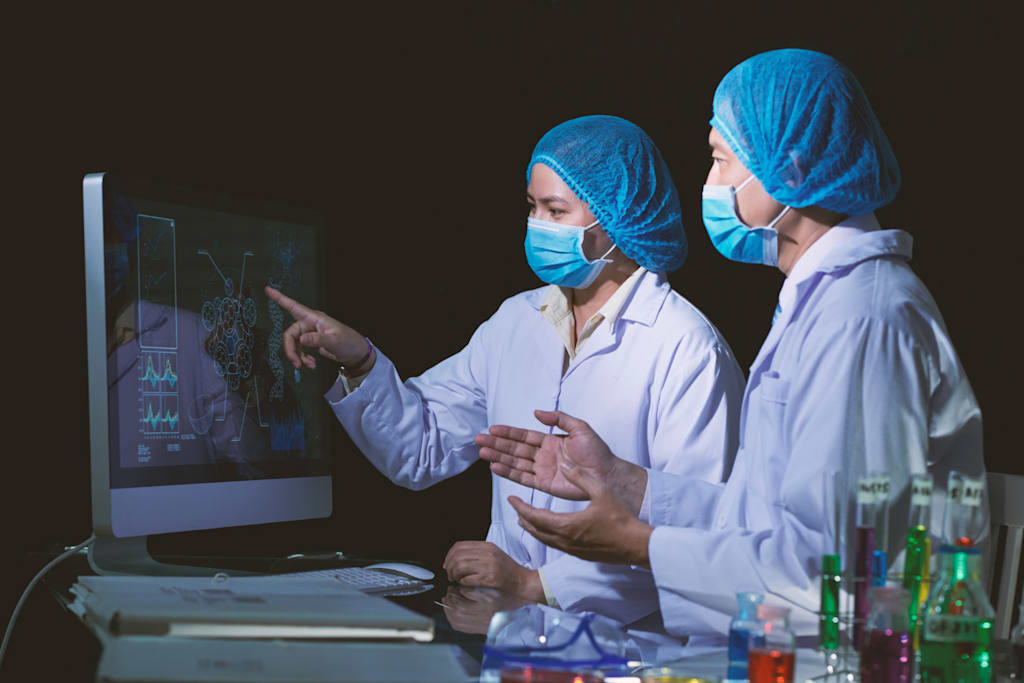
Most people don't think much about medical tests until they need one.
It could be a routine blood test before surgery, a scan recommended by a doctor, or a health check after experiencing unusual symptoms. In those moments, accurate results become incredibly important. They help doctors understand what is happening inside the body and guide the next steps in treatment or care.
Behind these everyday healthcare experiences is a vast and constantly evolving field known as Global Medical Diagnostics. While it may sound technical, its impact reaches nearly everyone. From hospitals and clinics to laboratories and home testing kits, diagnostic tools play a crucial role in modern healthcare.
Understanding how this field works can help us appreciate the systems that support better health outcomes around the world.
What Is Global Medical Diagnostics?
At its core, medical diagnostics involves identifying diseases, conditions, or health risks through tests, examinations, and medical technologies.
The term Global Medical Diagnostics refers to the worldwide network of diagnostic services, technologies, laboratories, and healthcare professionals working together to provide accurate health information.
These diagnostic methods can include:
Blood and urine tests
Medical imaging such as X-rays and MRI scans
Genetic testing
Pathology services
Rapid diagnostic tests
Home health monitoring devices
Each of these tools helps healthcare providers make informed decisions rather than relying solely on symptoms.
Why Accurate Diagnosis Is So Important
Imagine trying to fix a car without knowing what is wrong with it. The same principle applies to healthcare.
A correct diagnosis helps doctors:
Identify illnesses early
Recommend appropriate treatments
Monitor ongoing health conditions
Reduce unnecessary procedures
Improve patient outcomes
For patients, accurate testing can provide clarity and peace of mind. Knowing the cause of a health issue often makes it easier to move forward with confidence.
How Technology Is Changing Diagnostics
Medical diagnostics has advanced significantly over the years.
Many laboratories now use automated systems that can process large numbers of samples efficiently. Digital imaging allows specialists to review scans more quickly, while artificial intelligence is beginning to assist healthcare professionals in spotting patterns that might otherwise be missed.
For people in the UK and elsewhere, these advancements often mean faster results and more convenient access to healthcare services.
Home testing has also become more common. Whether monitoring blood sugar levels or checking for certain infections, individuals can now access information that once required a hospital visit.
The Global Impact on Public Health
One of the most important aspects of Global Medical Diagnostics is its role in protecting public health.
When healthcare systems can quickly identify diseases, they can respond more effectively. Diagnostic testing supports disease monitoring, outbreak management, and preventive healthcare efforts.
For example, screening programmes help detect certain conditions before symptoms become severe. Early detection often creates more opportunities for effective treatment and better long-term outcomes.
This proactive approach benefits not only individuals but entire communities.
Challenges That Still Exist
Despite remarkable progress, diagnostic healthcare still faces challenges.
Access to testing can vary depending on location, resources, and healthcare infrastructure. Some communities may experience delays in receiving specialist services or advanced testing options.
There is also an ongoing need for improved affordability, efficiency, and accessibility across healthcare systems worldwide.
Addressing these challenges remains an important goal for researchers, healthcare providers, and policymakers.
What Patients Can Do
While healthcare professionals manage the technical side of diagnostics, patients can take an active role in their own health journey.
Some helpful steps include:
Attending recommended health screenings
Asking questions about test results
Following medical advice after diagnosis
Keeping track of personal health records
Seeking professional guidance when symptoms persist
Being informed and engaged can make healthcare experiences more productive and less overwhelming.
Conclusion
The world of Global Medical Diagnostics may operate largely behind the scenes, but its influence is felt every day. From routine health checks to complex medical investigations, diagnostic tools provide the information needed to support better decisions and better care.
As technology continues to evolve, diagnostics will likely become even more accessible, efficient, and patient-focused. For individuals across the UK and around the world, that progress represents an important step toward healthier lives and more informed healthcare choices.
About the Creator
Enjoyed the story? Support the Creator.
Subscribe for free to receive all their stories in your feed.
Comments
There are no comments for this story
Be the first to respond and start the conversation.