
Why Back Pain Keeps Coming Back and What Specialists Look for Beyond the Symptoms
Understanding the Hidden Causes of Recurring Back Pain and How Spine Specialists Identify Them

Back pain can disappear for weeks, only to return after a long workday, a workout or even a routine household task. Although medication, stretching and rest may offer temporary relief, recurring discomfort often raises a more complicated question: Is the original problem still present, or is something else contributing to the pain? Medical resources such as MDLinx help clinicians stay informed about evolving research and approaches to diagnosing and managing persistent musculoskeletal conditions.
Recurring back pain does not always have one identifiable cause. Spinal discs, irritated nerves, inflamed joints, muscle weakness and movement patterns can contribute individually or together. In some cases, the structures visible on an imaging scan are not responsible for the symptoms at all.
Understanding these distinctions is important because effective treatment depends on identifying the factors driving the pain, rather than repeatedly addressing discomfort after it returns.
Why Temporary Pain Relief Does Not Always Prevent Recurrence
A treatment can successfully reduce pain without eliminating every factor that contributed to it.
Anti-inflammatory medication, heating pads, massage and short periods of activity modification may help people manage flare-ups. However, recurring symptoms can develop when the spine continues to experience mechanical stress, nerve irritation or insufficient muscular support.
For example, someone who experiences back pain after prolonged sitting might improve during a weekend of rest. Once they return to eight-hour workdays, the discomfort may reappear.
The problem is not necessarily that the initial treatment failed. The person's daily activity demands, physical conditioning or underlying condition may still need attention.
Clinicians therefore look for recurring patterns rather than evaluating each episode as an isolated event. They consider how symptoms change with activity, how long relief lasts and whether the pain has become more frequent or severe.
Spinal Discs and Nerve Irritation Can Produce Different Pain Patterns
The discs between spinal vertebrae provide cushioning and help distribute mechanical forces. Over time, these structures can undergo degenerative changes, and some may develop herniations that irritate nearby nerves.
However, a herniated disc does not automatically explain someone's back pain.
Some people have disc abnormalities without experiencing symptoms, while others develop significant discomfort from relatively subtle nerve irritation.
Common warning signs of nerve involvement include:
Pain radiating from the lower back into the buttocks or legs.
Burning, shooting or electric-like sensations.
Numbness or tingling in the feet.
Muscle weakness associated with specific movements.
Dr. Basil Kurdali, Physician & Owner at Kurdali Spine & Pain, is double board-certified in interventional pain management and anesthesiology. His practice emphasizes personalized evaluations and minimally invasive treatment options for spinal, nerve and joint-related pain.
This clinical approach highlights an important diagnostic principle: A specialist should establish whether a structural abnormality corresponds with the patient's symptoms before recommending a targeted procedure.
For example, leg pain associated with nerve compression may require a different treatment strategy from localized discomfort originating in the muscles or spinal joints.
Joint Health May Explain Pain That Returns With Certain Movements
Not all recurring back pain originates from a spinal disc. The facet joints, which connect adjacent vertebrae, help guide spinal movement and provide stability.
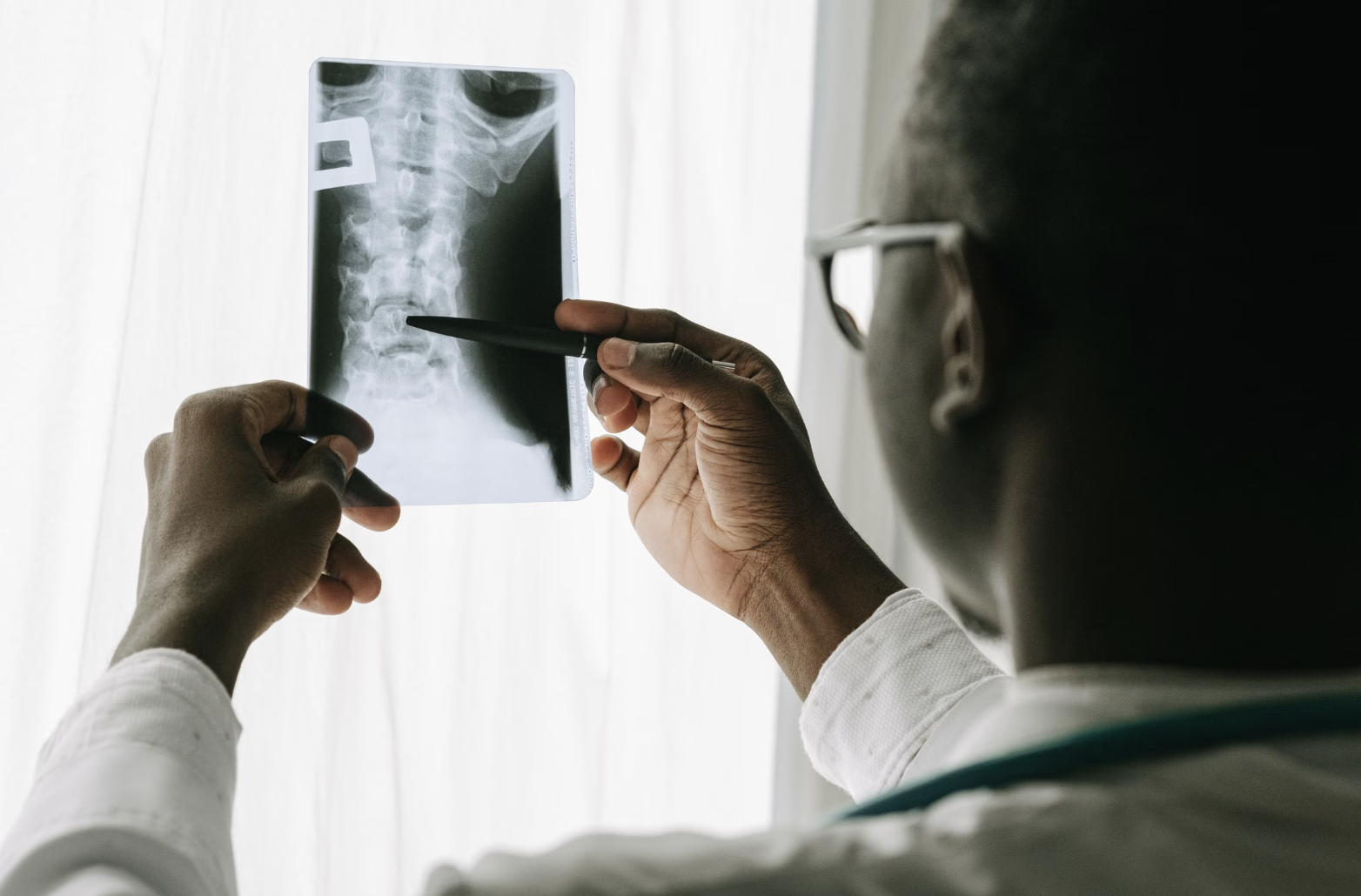
These joints can develop degenerative changes or become sources of pain, particularly during movements that place additional stress on them.
Someone experiencing facet-related discomfort might notice that pain becomes worse when standing for extended periods, rotating the torso or leaning backward.
Joint health also extends beyond the spine. Hip mobility restrictions, altered walking patterns and lower-extremity joint problems can influence how forces are distributed across the lower back.
Orthopedic specialists consider these relationships when evaluating musculoskeletal pain because treating only the area where discomfort is felt may overlook contributing movement limitations.
For patients with suspected facet-mediated pain, physicians may consider diagnostic medial branch blocks. These procedures temporarily anesthetize nerves supplying the facet joints and can help determine whether those joints are contributing to the symptoms.
The findings can guide subsequent treatment decisions, although no single injection or imaging result should replace a comprehensive clinical evaluation.
Dr. David Geier, an orthopedic surgeon and sports medicine specialist who works with patients experiencing joint injuries and arthritis, also emphasizes restoring function and helping patients return to physical activity. His published approach to joint care considers recovery and injury prevention alongside immediate symptom relief.
This broader perspective is especially relevant when back pain occurs alongside hip stiffness, knee discomfort or changes in walking mechanics.
Everyday Movement Patterns Can Contribute to Repeated Flare-Ups
Recurring back pain is sometimes associated with activities that repeatedly challenge the same muscles and joints.

Prolonged sitting, physically demanding work, repetitive bending and sudden increases in exercise intensity can aggravate existing problems. Inadequate recovery between strenuous activities may also contribute.
However, according to Dr. Ron Miller, Doctor of Physical Therapy & Owner at Pursuit Physical Therapy, there is no single correct posture or movement pattern that guarantees freedom from back pain.
A more useful strategy is identifying which activities consistently provoke symptoms and determining whether changes in strength, mobility, endurance or workload could improve tolerance.
For example, an office employee experiencing pain after sitting for several hours may benefit from regular movement breaks and a progressive strengthening program.
Someone whose symptoms return after lifting heavy objects may need a gradual return to lifting, improved load management or targeted rehabilitation.
Physical therapy can help address these factors through individualized exercises that strengthen supporting muscles and improve confidence with everyday movement.
How Specialists Investigate the Underlying Cause of Back Pain
A thorough diagnostic evaluation starts with the patient's experience rather than an imaging scan.
Physicians typically examine when symptoms began, how they have changed, which activities aggravate them and whether previous treatments provided meaningful relief.
The physical examination may include assessments of spinal mobility, muscle strength, reflexes, sensation and nerve tension.
Additional diagnostic tools may be recommended when clinical findings suggest a specific condition:
X-rays: Help evaluate bone alignment, fractures and certain degenerative changes.
MRI scans: Provide detailed views of spinal discs, nerves and surrounding soft tissues.
CT scans: Offer additional information about bone structures when necessary.
Electrodiagnostic testing: May help evaluate certain suspected nerve disorders.
Diagnostic injections: Can sometimes help identify pain arising from particular spinal joints.
Importantly, not every patient requires imaging. Many episodes of nonspecific lower back pain can initially be managed without advanced scans, particularly when there are no concerning neurological symptoms or other warning signs.
The objective is to connect examination findings with the patient's symptoms and select treatments supported by that clinical assessment.
Building a Treatment Plan That Addresses Recurring Pain
Once clinicians identify the likely contributors, treatment can focus on improving function and reducing future flare-ups.
For many patients, conservative approaches remain the starting point. These may include physical therapy, progressive exercise, activity modifications and appropriate medication.
When symptoms persist or a specific pain generator is identified, specialists may consider additional interventions.
Depending on the diagnosis, these can include epidural steroid injections for selected nerve-related conditions, targeted joint procedures or radiofrequency ablation for appropriately diagnosed facet-mediated pain.
Such procedures are not suitable for everyone, and the degree and duration of relief vary.
Long-term management also requires realistic expectations. Some spinal conditions fluctuate over time, and treatment may aim to reduce pain episodes, improve mobility and maintain daily activities rather than promise permanent elimination of discomfort.
Patients should seek prompt medical evaluation for progressive weakness or other concerning symptoms. New bladder or bowel dysfunction, saddle numbness or severe neurological changes require emergency assessment.
Conclusion
When back pain repeatedly returns, the explanation may involve more than the area where discomfort is felt. Spinal discs, nerves, joints, physical conditioning and daily activity demands can all contribute to persistent symptoms.
A comprehensive evaluation helps distinguish clinically significant problems from incidental imaging findings and guides treatment toward the most relevant causes.
Rather than relying exclusively on temporary symptom relief, patients experiencing recurring back pain can benefit from an individualized strategy that combines accurate diagnosis, appropriate treatment and long-term functional improvement.
About the Creator
Dan Woodland
Dan is a freelance writer and contributor who explores a wide range of topics, from business, entrepreneurship, technology, design, marketing, and finance to emerging trends, culture, and everyday ideas that spark curiosity.
Enjoyed the story? Support the Creator.
Subscribe for free to receive all their stories in your feed.
Comments
There are no comments for this story
Be the first to respond and start the conversation.