
When Your Body Speaks, Science Listens: The World of Medical Diagnostics
How modern testing is quietly changing the way we understand our health — and why it matters more than ever
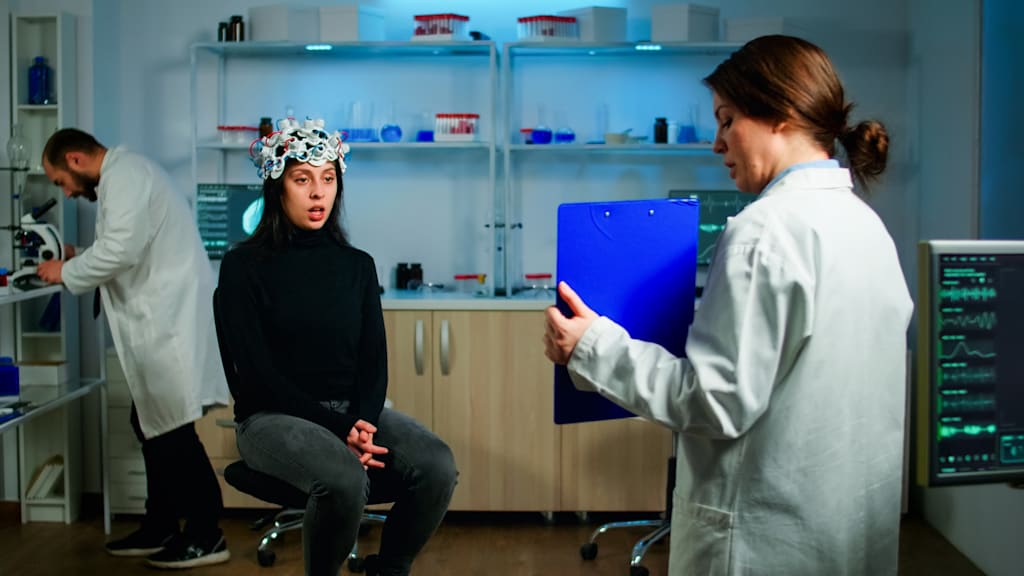
My nan used to say that doctors had "a gift for knowing." She believed they could sense illness just by looking at you. And honestly, back in her day, that wasn't far from the truth — a lot of medicine relied on observation and intuition.
But medicine has come a long way since then. Today, when you walk into a GP surgery or a hospital in the UK and they take a blood sample or send you for a scan, what happens next is nothing short of remarkable.
That process — the testing, the analysing, the confirming — is what medical diagnostics is all about.
What Medical Diagnostics Actually Means
At its simplest, diagnostics is how doctors figure out what's going on inside your body. It covers everything from a basic urine test at your local clinic to complex genetic screening that can detect conditions before symptoms even appear.
It's the bridge between "I don't feel right" and "here's what's happening and here's how we treat it."
Without diagnostics, medicine would be guesswork. With it, healthcare becomes targeted, effective, and far safer.
Why the "Global" Part Matters
You might wonder why we use the phrase global medical diagnostics when talking about healthcare here in the UK. The reason is simple: the tools and technologies used in British hospitals and clinics don't come from one place or one company.
Diagnostic equipment, laboratory reagents, testing kits, and imaging machines are developed, manufactured, and refined across the world. Innovations from research labs in Japan, Germany, the US, and beyond find their way into NHS trusts and private clinics every year.
This global network of science is what keeps diagnostic medicine advancing. When a new testing method is developed anywhere in the world, it has the potential to benefit patients everywhere — including right here in Britain.
The Types of Diagnostics You Might Encounter
Most people have had some form of diagnostic test without giving it much thought. Here are a few common types:
Blood Tests — Perhaps the most familiar. They can reveal everything from anaemia to diabetes, thyroid issues to infections. A small vial can carry a remarkable amount of information.
Imaging — X-rays, MRI scans, ultrasounds, and CT scans allow doctors to see inside the body without surgery. Incredibly useful for spotting fractures, tumours, or organ issues.
Pathology — When tissue samples are taken and examined under a microscope. Often used in cancer diagnosis to understand exactly what type of cells are present.
Genetic Testing — A growing area. It can identify inherited conditions, assess cancer risk, or even guide which medication will work best for a particular patient.
Each of these falls under the broad umbrella of global medical diagnostics, and each plays a vital role in modern patient care.
Why Early Diagnosis Changes Everything
One of the most important things diagnostics does is catch problems early.
Early detection of conditions like bowel cancer, Type 2 diabetes, or heart disease dramatically improves outcomes. It opens up more treatment options, reduces the need for aggressive interventions, and — in many cases — saves lives.
For UK patients, access to timely diagnostics through the NHS or private services can genuinely be the difference between a manageable condition and a life-altering one.
What's Changing in the Field
Diagnostic medicine is evolving quickly. Artificial intelligence is now being used to read scans faster and more accurately. Home testing kits for a range of conditions are becoming more reliable and accessible. Point-of-care testing — getting results at the bedside rather than waiting days for lab results — is growing across the NHS.
These shifts mean patients get answers sooner, and care teams can act faster.
A Final Thought
We often focus on treatments and surgeries when we talk about healthcare advances. But diagnostics is where it all starts. It's the quiet, essential foundation that everything else is built on.
The next time a doctor orders a test, remember — behind that small request is a vast, interconnected world of science working to help you. And that's genuinely something worth understanding.
About the Creator
Enjoyed the story? Support the Creator.
Subscribe for free to receive all their stories in your feed.
Comments
There are no comments for this story
Be the first to respond and start the conversation.