
When Healthcare Leadership Becomes a Way of Life
How Sheth Jeebun’s career reflects the connection between professional responsibility, ethical care, and purposeful living
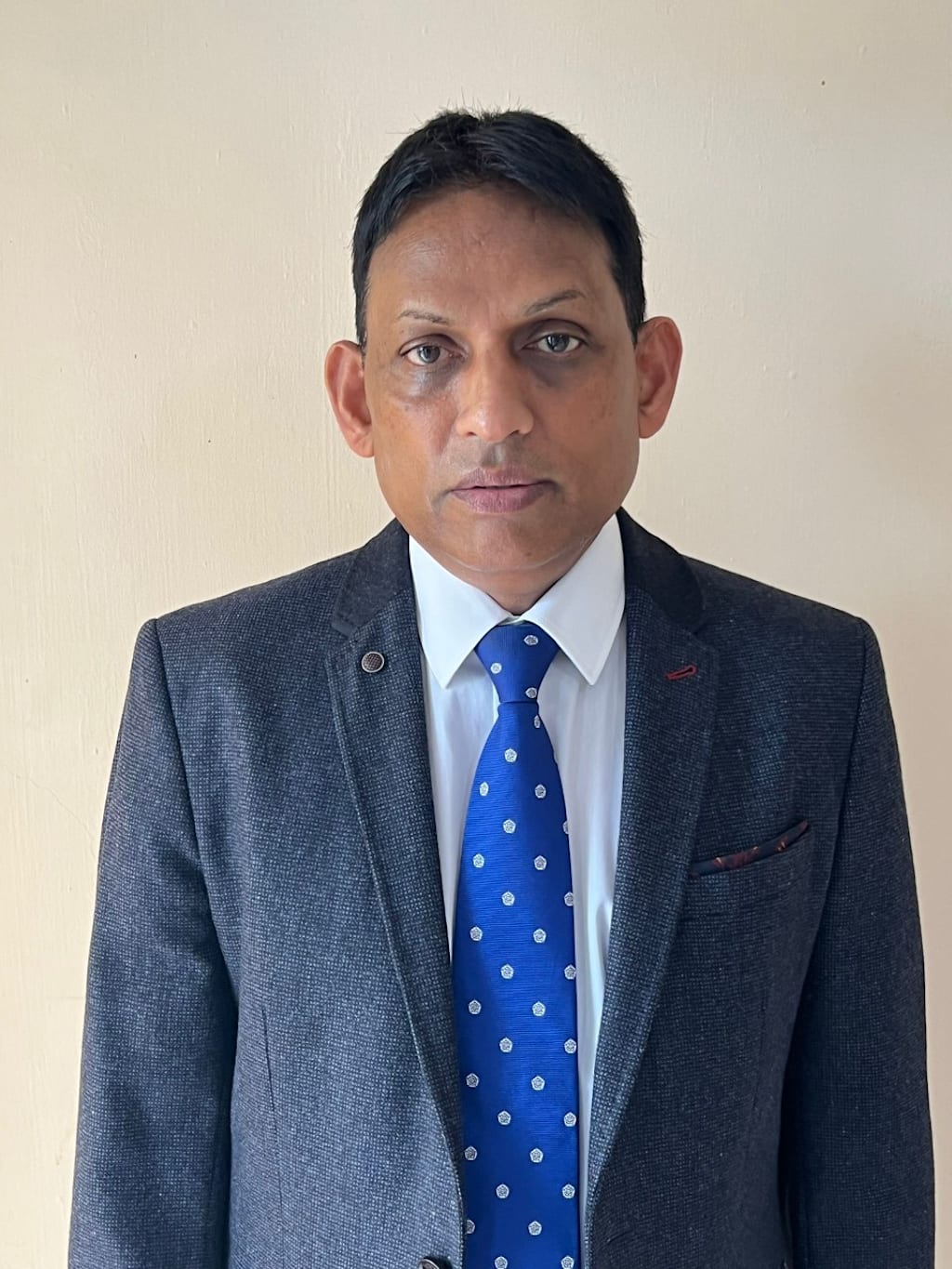
Some careers can be left at the office at the end of the day. Healthcare is rarely one of them. For those who lead within the care sector, responsibility often stretches far beyond schedules, meetings, and organisational charts. It becomes part of how they think, how they make decisions, and how they define success. This is especially true in elderly care, where leadership is closely tied to wellbeing, trust, and human dignity.
The journey of Sheth Jeebun offers a strong example of this connection between profession and purpose. His career in healthcare developed over decades, beginning in nursing and expanding into broader leadership responsibilities. That movement from frontline care into management tells an important story about how experience shapes perspective. It also explains why some leaders are able to balance operational demands with compassion in a way that feels grounded and credible.
Starting in clinical care gives a professional a unique understanding of healthcare at its most human level. It is one thing to manage systems from a distance. It is another to have spent time supporting patients directly, observing their needs, and understanding the pressures placed on caregivers. A nursing background does more than build practical knowledge. It creates a sharper awareness of the difference between care that is technically delivered and care that is meaningfully felt.
Over time, moving into leadership roles means carrying that awareness into a wider field of responsibility. In elderly care, that includes staff management, facility operations, communication with families, regulatory expectations, and long-term planning. These are not separate tasks that can be handled in isolation. They are interconnected parts of a larger mission: maintaining an environment where older residents feel safe, respected, and supported.
This is where leadership becomes a lifestyle rather than just a professional role. In healthcare, a leader’s values are visible in the systems they build and the standards they defend. A service-focused approach shows itself in the details: how staff are supported, how residents are treated, how concerns are addressed, and how decisions are made when challenges arise. Purpose is not something leaders announce. It is something others can see in the culture they create.
There is also a quiet discipline required in this work. Elderly care leadership demands patience, stability, and emotional intelligence. Residents may have complex medical or personal needs. Families may be navigating difficult emotions. Staff may need both direction and encouragement. In such an environment, leadership cannot be purely administrative. It must be steady, humane, and practical at the same time.
A meaningful healthcare lifestyle is often built around responsibility. That means understanding that care quality depends on more than clinical treatment alone. It includes clean and secure facilities, effective communication, ethical decision-making, and a commitment to person-centred support. It means seeing elderly residents not as numbers within a system, but as individuals whose comfort and dignity matter every single day.
This ethical dimension is one of the most important parts of leadership in care homes. The strongest leaders know that trust must be protected. Respectful care, clear communication, and dignified living conditions are not just professional targets. They are moral obligations. In elderly care, where residents may rely heavily on others, ethical leadership becomes the foundation upon which everything else rests.
Another notable part of this kind of journey is the long view it requires. Healthcare is changing rapidly. Technology is becoming more important. Expectations around personalisation continue to grow. Workforce development remains a major issue. Care facilities must evolve in order to meet new standards and future pressures. Leaders who understand both people and systems will be best positioned to guide that change.
What makes a professional path like this worth examining is not only the length of service, but the consistency of focus. A long career means little if it lacks direction. What gives it meaning is the ability to remain committed to service while taking on increasing levels of responsibility. That kind of continuity suggests more than ambition. It suggests purpose.
Sheth Jeebun’s journey reflects the reality that healthcare leadership is not confined to a title. It is expressed through conduct, priorities, and the standards a person chooses to uphold over time. In elderly care, where the stakes are deeply human, that matters more than ever. The best leaders in the field are not simply managing institutions. They are shaping experiences, protecting dignity, and building environments where care is not only delivered, but lived.
Featured image idea: A calm, professional image of elderly care staff and leadership in conversation in a bright residential care setting.
About the Creator
Enjoyed the story? Support the Creator.
Subscribe for free to receive all their stories in your feed.
Comments
There are no comments for this story
Be the first to respond and start the conversation.