
What to Expect During Your First Appointment with a Diabetologist
What to Expect During Your First Appointment with a Diabetologist

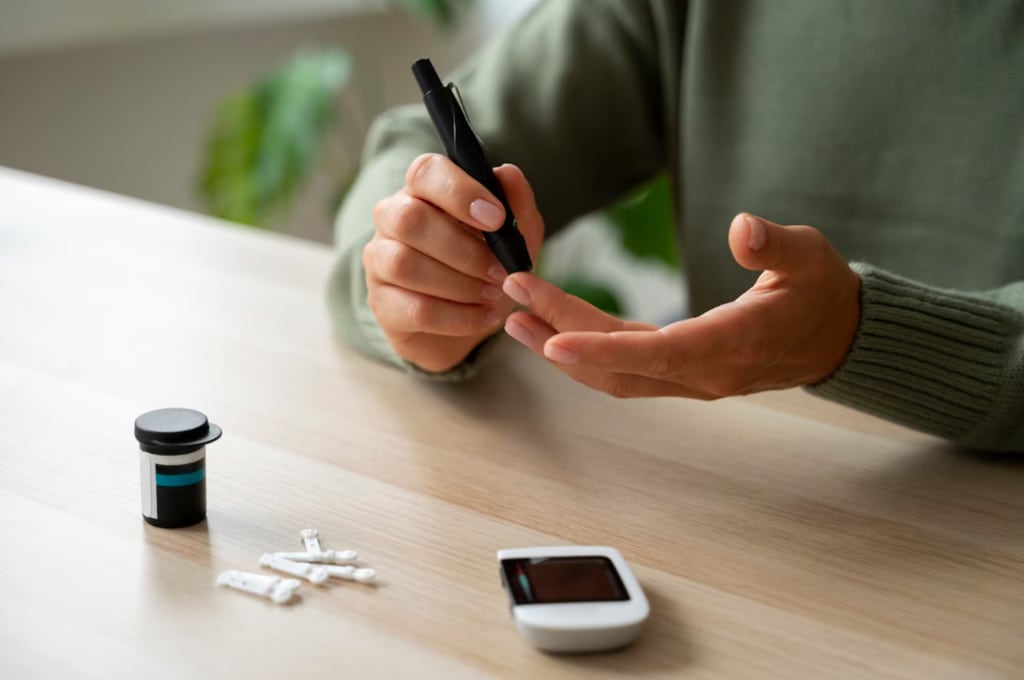
If you’ve recently been diagnosed with diabetes or are experiencing symptoms like fatigue, frequent urination, or unusual thirst, visiting a diabetologist in Bharuch could be the next right step. A diabetologist is a medical specialist who focuses solely on diagnosing, treating, and managing diabetes. Whether you’ve been referred by a general physician or are self-booking an appointment, it’s natural to feel a little anxious before your first visit.
This blog will walk you through everything you can expect during your first appointment — from initial discussions to diagnostic tests — so you feel informed, prepared, and confident in your journey toward better health.
✅ Understanding the Role of a Diabetologist
Before diving into the appointment experience, it’s important to understand what a diabetologist does. Unlike general physicians, diabetologists are experts specifically trained in managing all types of diabetes — Type 1, Type 2, gestational diabetes, and even prediabetes.
Their job includes:
- Assessing your blood sugar levels
- Recommending lifestyle and dietary changes
- Prescribing medications or insulin
- Monitoring long-term complications of diabetes
- Offering support for weight management, heart health, and more
✅ What Happens Before the Appointment?
If this is your first visit to a diabetologist, you may be asked to carry:
- Your recent blood reports (if available)
- A list of current medications
- Previous prescription
- Family medical history
- Details of any recent symptoms or issues
Try to arrive 10–15 minutes early to fill out any necessary paperwork. Some clinics may also take preliminary readings like your weight, blood pressure, and blood sugar level before you meet the doctor.
✅ 1. In-Depth Discussion About Your Health
The first part of your appointment will focus on understanding your medical background. The diabetologist may ask:
- When did your symptoms begin?
- Have you experienced frequent urination or thirst?
- Any family history of diabetes?
- How is your diet and physical activity?
- Are you experiencing stress, fatigue, or vision changes?
This discussion helps the doctor assess whether your condition is early-stage, advanced, or somewhere in between — and what risk factors may be affecting your blood sugar control.
✅ 2. Physical Examination
After the initial talk, your diabetologist will conduct a basic physical examination, which may include:
- Checking your blood pressure
- Measuring weight and waist circumference
- Foot examination (to assess nerve health)
- Checking eyes (for early signs of diabetic retinopathy)
This step is essential because diabetes affects various systems in the body, often silently, and early detection can prevent long-term damage.
✅ 3. Diagnostic Tests & Lab Work
If you haven’t had recent blood tests, your doctor may recommend one or more of the following:
- Fasting Blood Sugar (FBS)
- HbA1c (3-month average blood sugar)
- Postprandial Blood Sugar (PPBS)
- Lipid profile
- Kidney function test
Some clinics may offer these tests in-house, while others may refer you to a diagnostic center. These reports give your diabetologist a better understanding of your current condition and how to plan your treatment.
✅ 4. Lifestyle & Diet Counseling
Your diabetologist may work in coordination with a dietitian or diabetes educator to create a personalized lifestyle plan. Expect practical discussions around:
- What kind of diet suits your current sugar levels
- How to manage carbohydrate intake
- Importance of fiber and portion control
- Which exercises are safe and effective
- How stress and sleep patterns impact sugar levels
You may be asked to maintain a daily log of your blood sugar readings, meals, and symptoms. This helps track progress over time.
✅ 5. Medication Planning
Based on your reports and symptoms, the doctor may start you on oral medication or insulin therapy. If you’re already on medication, they may adjust the dosage or switch to a more suitable option.
You’ll also receive instructions on:
- When and how to take your medications
- Possible side effects
- What to do if you miss a dose
- When to check your blood sugar
- When to return for follow-up
Don’t hesitate to ask questions — the clearer you are, the better you’ll be able to manage your condition.
✅ 6. Emotional and Mental Support
Living with diabetes is not just a physical journey — it’s emotional too. A good diabetologist understands this. You may receive advice on managing stress, improving sleep, and connecting with diabetes support groups if needed.
✅ 7. Follow-Up and Monitoring Plan
Finally, your doctor will schedule your next visit, which may be in a few weeks or months, depending on your condition. Regular follow-ups help ensure:
- Your sugar levels are within target
- No side effects from medication
- Early detection of any complications
- Continued motivation and support
Final Thoughts
Your first visit to a diabetologist is a crucial step toward gaining control over your diabetes. By choosing an experienced diabetologist in Bharuch, you’re not just addressing your current symptoms — you’re investing in long-term health, better lifestyle choices, and the prevention of serious complications.
Remember, the more open and honest you are during your visit, the more effective your treatment will be. Don’t hesitate to ask questions, express concerns, or talk about the emotional toll of diabetes — your diabetologist is there to guide you every step of the way.
Frequently Asked Questions (FAQs)
Q1. Is it necessary to visit a diabetologist if I have mild diabetes?
Yes, early-stage diabetes still requires medical attention to prevent long-term complications.
Q2. Can a diabetologist help with weight loss?
Yes, many diabetologists offer lifestyle and dietary plans that promote healthy weight loss.
Q3. What is the difference between an endocrinologist and a diabetologist?
An endocrinologist treats all hormone-related issues, while a diabetologist focuses only on diabetes.
Q4. Will I have to take insulin immediately?
Not necessarily. Most patients start with oral medications unless insulin is urgently needed.
Q5. How often should I visit a diabetologist?
Typically every 3–6 months, but it may vary based on your sugar levels and overall health.
About the Creator
Sanidhya Clinic
Sanidhya Clinic has the best endocrinologist and diabetologist in Vadodara, Gujarat for diabetes, thyroid, hormonal disorders and pediatric metabolic disorders.
Enjoyed the story? Support the Creator.
Subscribe for free to receive all their stories in your feed.
Comments
There are no comments for this story
Be the first to respond and start the conversation.