
What to Drink at a Graduation Party (And Why the Pairing Matters More Than the Bottle)
A practical guide to choosing wine, champagne, and chocolate for the most milestone-worthy celebration of the year

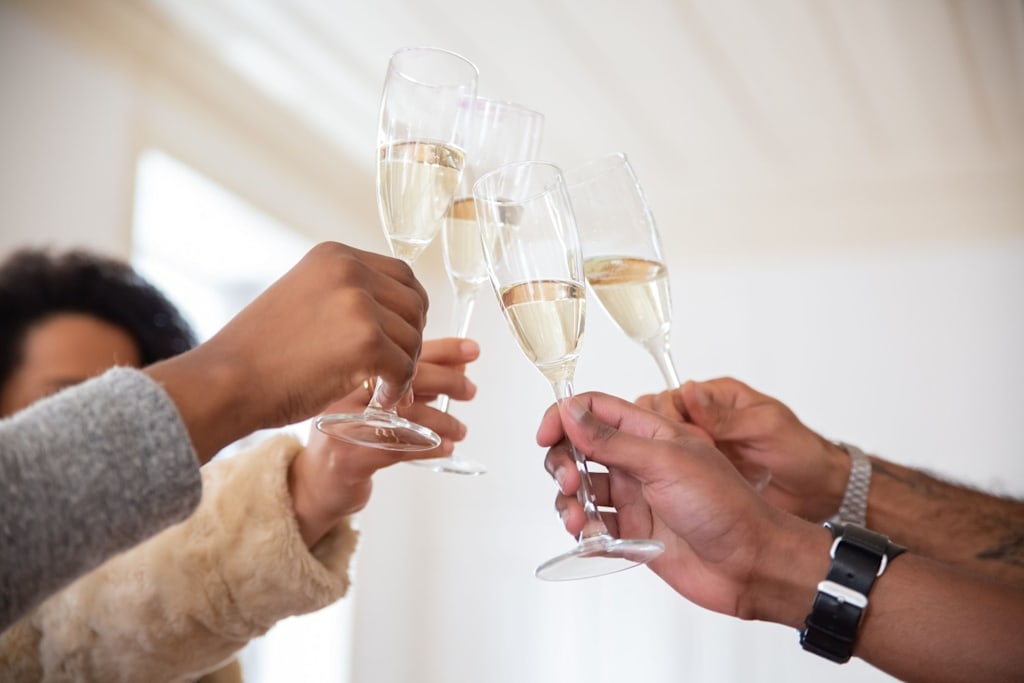
Graduation season has a particular texture to it — the mix of relief and excitement, the strange feeling of one chapter ending before the next one has a name. For the people around the graduate, it also comes with a recurring question that is somehow harder than it sounds: What do you bring?
Flowers are lovely. A card is expected. But there is something about showing up to a graduation celebration with a well-chosen bottle — or better still, a bottle paired thoughtfully with the right chocolate — that signals you actually thought about the person, not just the occasion.
This is a guide to doing that well. Not a shopping list, but a framework for thinking about wine, champagne, and chocolate as a language for celebrating someone at a genuinely significant moment in their life.
The Case for Drinking Something Intentional
Most of us default to whatever is familiar when it comes to celebration drinks. A bottle of prosecco from the grocery store, something sparkling and inoffensive. And that's fine — there's nothing wrong with it. But graduation is one of the few occasions that genuinely justifies stepping up.
The reason is psychological as much as sensory. When you choose a drink intentionally — when you think about the person, what they've achieved, what they might enjoy, what the occasion calls for — the act of choosing becomes part of the gift. The graduate notices. They remember what was opened that night in a way they never would with a generic bottle.
Wine and champagne have always been the drinks of milestone moments for exactly this reason. They invite you to slow down, to be present, to mark the transition. A graduation isn't just an ending — it's the beginning of an adult life. It deserves a drink that feels like that.
Matching the Drink to the Degree
Not every graduation calls for the same bottle, and part of making this feel personal is thinking about who you're celebrating and what they've just come through.
For an undergraduate graduation, the tone is celebratory and communal. Something sparkling works beautifully here — champagne if you want to make it feel elevated, prosecco if the gathering is large and casual. The key is effervescence: bubbles signal festivity in a way that nothing else quite does, and they're forgiving enough to work across a range of palates and food situations.
For a graduate degree — law, medicine, business, or a doctorate — the occasion carries more weight and often a more discerning crowd. A structured red wine fits this moment well. Something from Napa Valley with real presence and depth, or a French-influenced blend with some age-worthiness. These are people who've spent years acquiring expertise; a wine with genuine complexity is a way of meeting them at that level.
For someone entering a creative or humanities field, think about wines that reward curiosity rather than status. A good Pinot Noir — light-bodied, nuanced, endlessly interesting — is the wine equivalent of a great novel. It reveals itself slowly. It rewards attention. That's a lovely metaphor for the kind of career many arts and humanities graduates are stepping into.
For the person who doesn't drink much wine, a half-bottle or a high-quality sparkling option takes the pressure off. The gesture is still there; the commitment is smaller. It's a way of participating in the ritual without requiring expertise on the recipient's part.
Why Chocolate Belongs at This Table
Here is something that doesn't get talked about enough in the context of celebration drinks: chocolate is not an afterthought.
When you pair wine or champagne with the right chocolate, you're not just adding a sweet element to the table. You're creating a tasting experience — one where the flavors interact and change each other in ways that neither delivers on its own.
The science behind it is straightforward. Wine contains tannins — the compounds that create that drying sensation on your palate. Dark chocolate is bitter. When you eat a piece of dark chocolate and then sip a bold red wine, the tannins soften against the bitterness, the fruit notes in the wine become more expressive, and the chocolate tastes rounder and less sharp. The combination produces something neither ingredient achieves alone.
This is why, if you're thinking about what to bring to a graduation dinner or what to include alongside a bottle, chocolate deserves serious consideration — not as decoration, but as a genuine flavor partner.
A few of the pairings that work particularly well:
Dark chocolate with a structured red wine. The classic combination. Bold, bitter, complex — this pairing rewards people who like their flavors to have some tension. Cabernet Sauvignon, Malbec, and Syrah all work here. The key is matching intensity: a light-bodied wine will get overwhelmed by dark chocolate, so you want something with presence.
Champagne with white chocolate. This is the most celebratory pairing in the repertoire, which makes it especially appropriate for a graduation toast. The acidity and bubbles in champagne cut through the rich, buttery sweetness of white chocolate in a way that feels genuinely indulgent but never cloying. It's the pairing equivalent of a standing ovation.
Pinot Noir with milk chocolate. Soft, approachable, and deeply satisfying — this combination works for people who are newer to wine pairing because neither element overwhelms the other. Pinot's gentle tannins and fruit character mirror the creaminess of milk chocolate almost perfectly.
Sparkling rosé with fruit-infused chocolate. If you're working with a champagne or prosecco that has some strawberry or red fruit character, pairing it with a chocolate that includes raspberry, cherry, or orange notes creates a layered experience that feels genuinely sophisticated without requiring any expertise to enjoy.
For anyone who wants to explore this further — including temperature recommendations, storage tips, and a full breakdown of pairings by chocolate type — this wine and chocolate pairing guide covers the subject comprehensively and is worth reading before you shop.
A Note on Presentation
How you present a bottle matters more than most people realize.
A bottle of wine placed loose in a bag communicates generosity. A bottle of champagne in a wooden box with two crystal flutes communicates I thought about the experience you'd have opening this. A bottle with a name engraved on it — or hand-painted with a graduation year and a short personal message — becomes a keepsake. The bottle itself, long after it's empty, stays on a shelf as a reminder of the day.
This is the difference between giving someone a drink and giving someone a memory. Both are kind. One is unforgettable.
The Ritual of the Toast
There is a moment at every graduation celebration — usually quieter than you'd expect — when someone raises a glass and says something. Sometimes it's short. Sometimes it becomes unexpectedly moving.
The drink in that glass matters. Not because of what it costs, but because of what it represents: that the people in the room cared enough to mark the moment with something other than the ordinary.
Wine and champagne, for all their associations with luxury and occasion, are really just vehicles for that intention. They give the celebration a shape. They make the toast feel like a toast.
Choosing one carefully, pairing it thoughtfully with good chocolate, presenting it with some care — that's not an extravagance. That's the whole point.
Graduation happens once. The bottle you open that night, the people around the table, the chocolate that pairs perfectly with the pour — those details last far longer than the ceremony itself. Drink something that deserves the moment.
About the Creator
Pavan Kumar
Digital Marketing Expert at SWW. SEO Specialist and Blogger. Contact for Brand awareness and business promotion worldwide.
Enjoyed the story? Support the Creator.
Subscribe for free to receive all their stories in your feed.
Comments
There are no comments for this story
Be the first to respond and start the conversation.