
What Really Happens Behind Your Test Results
How a blood test in Leeds connects to a lab in Berlin, and why that matters more than you think
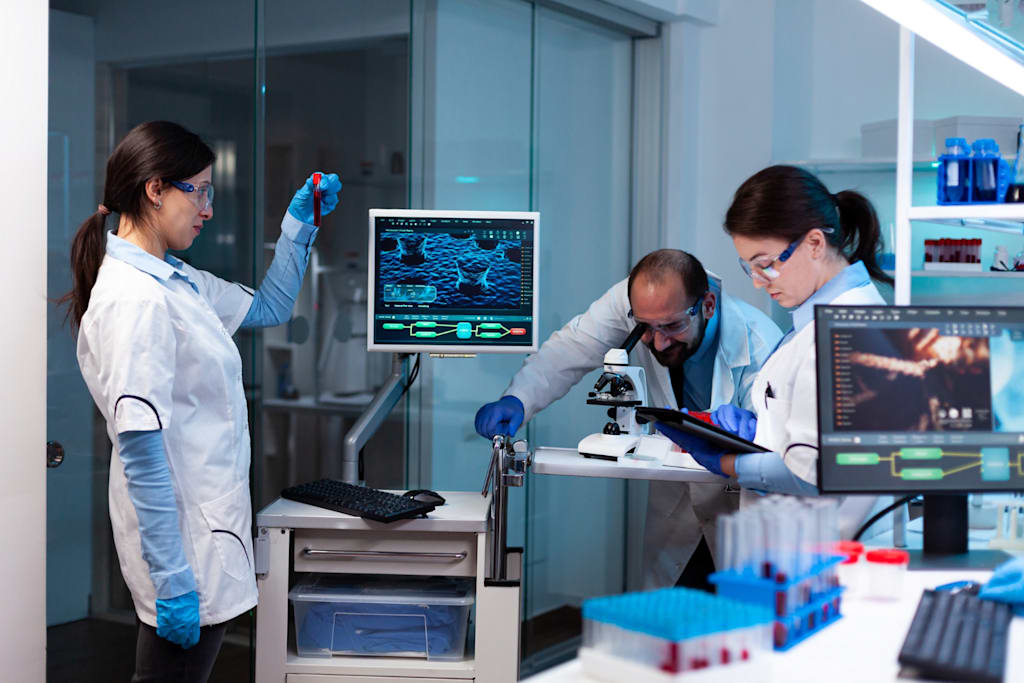
A few months ago, my neighbour Sandra was waiting on a scan result. She'd been referred by her GP, told it might take a few weeks, and spent that time doing what most of us do — refreshing her patient portal and googling things she probably shouldn't have.
When the result finally came back, she mentioned something I hadn't really thought about before. The lab that processed part of her test wasn't even based in the UK. It had been sent off, analysed, and the data returned, all without her ever knowing.
That small detail stuck with me. We tend to think of a diagnosis as something local — your GP, your hospital, your town. But increasingly, the tools and systems behind that diagnosis stretch far beyond where we live. That's really what global medical diagnostics means in everyday life, even if the phrase sounds technical.
What "Global Medical Diagnostics" Actually Means
At its core, this just refers to the worldwide network of tools, labs, technologies, and knowledge used to figure out what's going on inside the human body. Blood tests, imaging scans, genetic screening, and pathology all fall under this umbrella.
What makes it "global" isn't just that countries each have their own systems. It's that equipment, research, and even raw samples often cross borders. A scanner used in a Manchester clinic might be built on technology developed in Japan. A rare blood sample might be sent to a specialist lab in another country for a more precise reading.
Why This Matters to UK Patients
For people living in the UK, this global connection often happens quietly in the background. The NHS, along with private healthcare providers, regularly relies on diagnostic equipment, software, and reference data developed internationally.
This isn't a flaw in the system — it's actually one of its strengths. No single country can realistically lead in every area of medical research. By drawing on global medical diagnostics, UK clinicians get access to more accurate testing methods, faster turnaround times in some cases, and second opinions from specialists abroad when a case is particularly tricky.
That said, it also explains why some waiting times feel longer than expected. Samples sent abroad for specialised analysis, or data that needs cross-checking against international databases, can add a few extra days. It's not always inefficiency — sometimes it's thoroughness.
A Quick Comparison: Learning From Other Countries
Looking beyond the UK is genuinely useful here. Germany, for instance, has invested heavily in rapid imaging diagnostics, while countries like South Korea are known for early cancer screening programmes. The US leads in certain genetic testing technologies, partly due to private sector investment.
None of these systems are perfect, and each has its own challenges around cost or access. But the exchange of ideas between them — research papers, shared trial data, joint equipment standards — is what keeps medical diagnostics moving forward everywhere, including here at home.
What This Means for You as a Patient
You don't need to understand the full mechanics of global medical diagnostics to benefit from it. But knowing it exists can help you ask better questions.
If you're waiting on results, it's reasonable to ask your GP or specialist whether the test is being processed locally or sent elsewhere. If you're offered a newer type of scan or screening, it's worth asking what research or country it originated from — not out of suspicion, but curiosity. Understanding where your test data goes, and how it's used, is part of being an informed patient.
A Few Honest Questions Worth Asking
Is this test processed in the UK or sent abroad?
How long does that typically add to the result time?
Is there a UK-based alternative if I'd prefer a local lab?
How is my data protected once it crosses borders?
Conclusion
Sandra's scan, in the end, came back clear. But the experience left me thinking about how much invisible coordination happens behind a single appointment letter.
Global medical diagnostics isn't some abstract industry term — it's the quiet machinery behind almost every test the NHS or a private clinic runs today. The world has gotten smaller in medicine, in a good way. Recognising that doesn't just satisfy curiosity. It helps you understand your own care a little better, one test at a time.
About the Creator
Enjoyed the story? Support the Creator.
Subscribe for free to receive all their stories in your feed.
Comments
There are no comments for this story
Be the first to respond and start the conversation.