
What it takes to build the world’s longest railway tunnel – and restore nature once it’s done
The incredible engineering journey behind massive underground rail projects and the effort to rebuild ecosystems after construction ends. How advanced technology, careful planning, and environmental restoration are shaping the future of mega railway tunnels. Building record-breaking tunnels requires more than machines and concrete — it demands a commitment to protecting nature. The story of human engineering pushing through mountains while restoring the landscapes left behind. From deep underground excavation to habitat recovery, the hidden challenges behind the world’s longest railway tunnels.
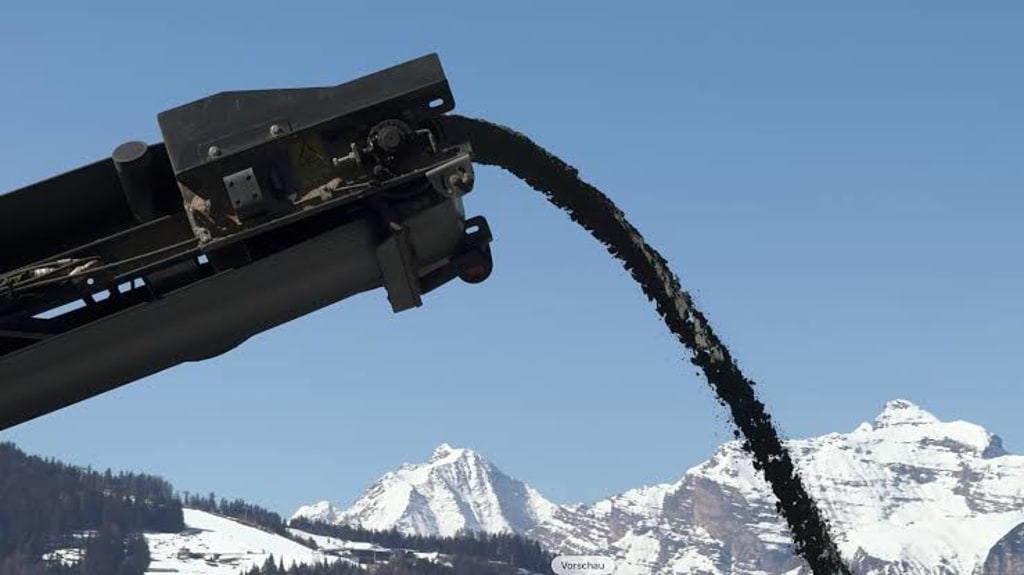
The engineering challenge behind massive underground rail projects and the environmental mission that follows construction
Building the world’s longest railway tunnel is one of the greatest engineering challenges on Earth. It requires years of planning, advanced technology, enormous financial investment, and the coordination of thousands of workers. But the challenge does not end when the final section of tunnel is completed. Increasingly, engineers and environmental experts are focusing on another important mission: restoring nature and reducing the long-term impact of major infrastructure projects.
The world’s longest railway tunnels represent a new era of transportation, connecting regions faster while reducing reliance on roads and air travel. Projects such as the in Switzerland have demonstrated how modern engineering can overcome extreme geological conditions. Stretching for more than 57 kilometers, the tunnel passes beneath the Alps and allows high-speed rail services to travel through mountains that once created major transportation barriers.
Creating such a tunnel begins long before construction equipment reaches the ground. Engineers spend years studying geology, mapping underground conditions, and analyzing possible risks. Mountains and underground landscapes are unpredictable, with variations in rock strength, groundwater pressure, and fault zones creating constant challenges.
Advanced surveying technology is used to create detailed underground maps. Scientists collect data from drilling samples, satellite observations, and geological studies to determine the safest and most efficient route. A small mistake in planning can lead to enormous costs and delays once excavation begins.
One of the biggest challenges is excavation. Modern tunnel projects often rely on massive tunnel boring machines, which can stretch hundreds of meters in length and weigh thousands of tonnes. These machines slowly cut through rock while installing protective structures behind them. Their work requires extreme precision because even minor deviations can affect the entire railway system.
In difficult mountain environments, engineers must also manage pressure, heat, and water. Deep underground, temperatures can become extremely high, requiring advanced ventilation and cooling systems to protect workers and equipment. Water infiltration is another major concern because underground water systems can affect construction and surrounding ecosystems.
Safety is another critical factor. Railway tunnels must be designed to protect passengers for generations. Emergency exits, ventilation systems, fire protection technology, and communication networks are carefully integrated into the design. Because tunnels are enclosed environments, even small failures can have serious consequences.
However, modern infrastructure projects are increasingly judged not only by engineering success but also by environmental responsibility. Large construction projects can disturb landscapes, affect wildlife habitats, and change local ecosystems. As a result, restoration has become a major part of tunnel planning.
Environmental restoration begins even before construction starts. Experts study existing ecosystems to understand which plants, animals, and natural features may be affected. This information helps planners develop strategies to reduce damage and create restoration programs.
During construction, companies may remove large amounts of excavated material. In some projects, this material is reused to create new landscapes, restore damaged areas, or support environmental improvements. Careful management of construction waste is essential to reducing ecological harm.
After completion, restoration efforts focus on returning affected areas to natural conditions. This can include replanting native vegetation, rebuilding wildlife habitats, restoring streams, and creating protected areas. The goal is not simply to hide the impact of construction but to help ecosystems recover over time.
In mountain regions, restoration can be especially complex. Wildlife corridors must be protected so animals can continue moving between habitats. Noise and human activity must be managed to prevent long-term disruption. Environmental experts often work alongside engineers to ensure that infrastructure and nature can exist together.
Climate change has also increased the importance of sustainable transport projects. Railways are considered one of the more environmentally friendly forms of transportation because they can move large numbers of passengers and goods with lower emissions compared with many road and air alternatives.
The construction of major tunnels can therefore serve two purposes: improving connectivity while supporting cleaner transportation systems. However, achieving these benefits requires careful planning to ensure that environmental costs are minimized.
The future of tunnel construction is likely to involve even greater use of digital technology, automation, and environmentally responsible methods. Artificial intelligence, advanced sensors, and improved materials are helping engineers design safer and more efficient underground systems.
At the same time, governments and construction companies are facing increasing pressure from communities and environmental organizations to demonstrate that large projects provide long-term benefits without causing unnecessary ecological damage.
Building the world’s longest railway tunnel is not only a test of human engineering ability; it is also a test of how societies balance development with environmental protection. The ability to move people and goods efficiently must be combined with responsibility toward the natural world.
The success of these projects will ultimately be measured not only by the length of the tunnel or the speed of the trains but also by what remains above ground. A truly successful infrastructure project leaves behind improved connections, stronger economies, and a restored environment where nature can continue to thrive.
As countries invest in next-generation transportation networks, the lesson from the world’s largest railway tunnels is clear: the future of engineering must be built beneath the surface while protecting the world above it.
About the Creator
Enjoyed the story? Support the Creator.
Subscribe for free to receive all their stories in your feed.
Comments
There are no comments for this story
Be the first to respond and start the conversation.