
What Is the Cheapest Restorative Dentistry Option?
Restorative dentistry near me focuses on repairing or replacing damaged, decayed, or missing teeth in order to restore oral function and improve dental health. However, dental treatment costs are a major concern for many patients.

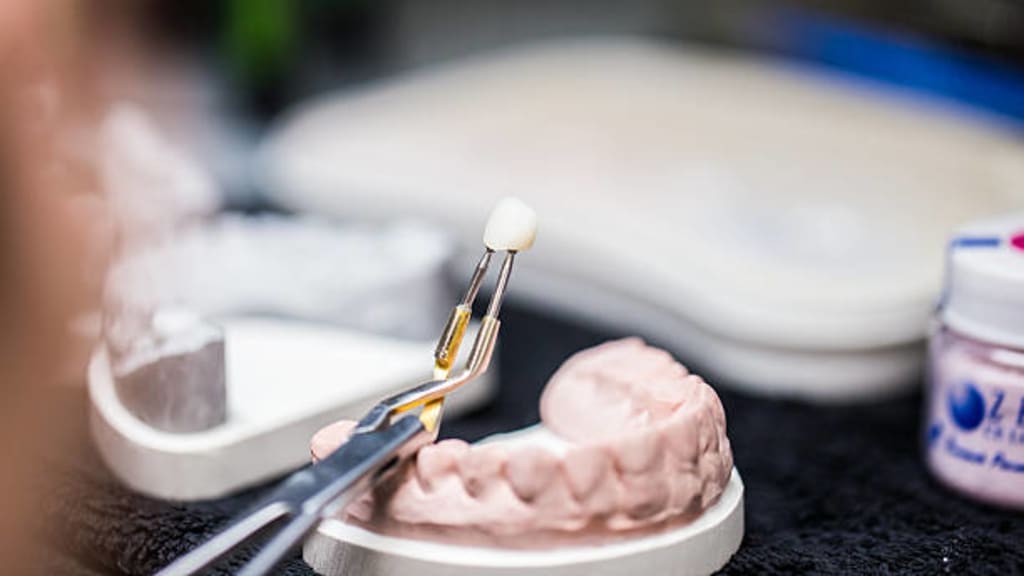
Restorative dentistry near me focuses on repairing or replacing damaged, decayed, or missing teeth in order to restore oral function and improve dental health. However, dental treatment costs are a major concern for many patients.
In fact, simpler and earlier interventions tend to be far less expensive than advanced restorative procedures required after problems worsen.
What Is Restorative Dentistry?
Restorative dentistry includes treatments designed to repair or replace teeth that have been damaged by:
- Tooth decay;
- Injury;
- Wear and tear;
- Infection;
- Tooth loss.
Common restorative procedures include:
- Dental fillings;
- Crowns;
- Bridges;
- Dentures;
- Dental implants;
- Root canal treatment.
The goal is to restore function, comfort, and structural stability.
Dental Fillings Are Usually the Cheapest Option
For many patients, dental fillings are the most affordable restorative dentistry treatment.
Fillings are commonly used to repair:
- Cavities;
- Minor tooth damage;
- Small fractures.
During the procedure, the dentist removes decayed tooth material and fills the space with a restorative material.
Common filling materials include:
- Composite resin;
- Amalgam;
- Glass ionomer in some cases.
Because fillings are relatively simple and preserve most of the natural tooth structure, they are typically much less expensive than larger restorations.
Dental Bonding - Can Also Be Affordable
Dental bonding is another relatively inexpensive restorative and cosmetic option.
Bonding uses tooth-colored composite material to repair:
- Small chips;
- Minor cracks;
- Small gaps;
- Surface imperfections.
Because bonding usually requires minimal tooth preparation and can often be completed in one appointment, it is generally less expensive than veneers or crowns.
However, bonding may not be suitable for larger structural problems.
Dentures - The Cheapest Tooth Replacement Option
When teeth are missing, dentures are typically the least expensive replacement option compared to:
- Dental implants;
- Implant-supported restorations;
- Bridges in some situations.
Dentures can replace:
- Several missing teeth;
- Entire arches of teeth.
Traditional removable dentures are generally more affordable upfront than implant-based solutions.
However, dentures may require:
- Periodic adjustments;
- Relining;
- Replacement over time.
While cheaper initially, long-term maintenance should also be considered.
Dental Crowns - Cost More But May Be Necessary
Crowns are used when teeth are too damaged for fillings alone.
A crown covers and protects the entire visible portion of the tooth.
Crowns may be needed after:
- Large cavities;
- Cracks;
- Root canal treatment;
- Severe wear.
Although crowns are more expensive than fillings, they may help preserve teeth that would otherwise require extraction.
Tooth Extraction - Can Lead to More Costs
Some patients assume tooth extraction is the cheapest solution for a severely damaged tooth.
While extraction itself may cost less than saving the tooth, leaving a missing tooth untreated can eventually contribute to:
- Shifting teeth;
- Bite problems;
- Bone loss;
- Difficulty chewing.
Replacing the missing tooth later with implants, bridges, or dentures may become more expensive than earlier restorative treatment.
Dental Implants - The Most Expensive Option
Dental implants are among the most advanced restorative treatments available.
They replace both the tooth root and the visible crown.
Implants offer many advantages, including:
- Stability;
- Durability;
- Bone preservation;
- Natural appearance.
However, implants typically involve:
- Surgery;
- Healing time;
- Multiple appointments.
As a result, they are usually more expensive than fillings, crowns, bridges, or dentures.
Insurance Can Affect Overall Costs
Dental insurance coverage may influence which restorative options are most affordable.
Some plans provide partial coverage for:
- Fillings;
- Crowns;
- Dentures;
- Root canals.
Coverage for implants may be more limited in certain plans.
You need to review:
- Annual maximums;
- Waiting periods;
- Covered procedures;
- Out-of-pocket responsibilities.
Feel free to discuss financial limitations with your dentist.
Many practices offer:
- Payment plans;
- Financing options;
- Phased treatment approaches.
Dentists can often help prioritize urgent needs while developing a realistic treatment plan.
The bottom line
The cheapest restorative dentistry option is usually a dental filling, particularly when dental problems are identified and treated early. Bonding and dentures may also provide relatively affordable solutions depending on the situation. However, the most inexpensive immediate option is not always the most cost-effective long-term choice.
About the Creator
Amelia Grant
I am journalist, and blogger.
Enjoyed the story? Support the Creator.
Subscribe for free to receive all their stories in your feed.
Comments
There are no comments for this story
Be the first to respond and start the conversation.