
Trains Running Again After Track Defect Causes Travel Disruption
Rail services resume after engineers repair a track defect, with passengers advised to check schedules as delayed and cancelled trains gradually return to normal.
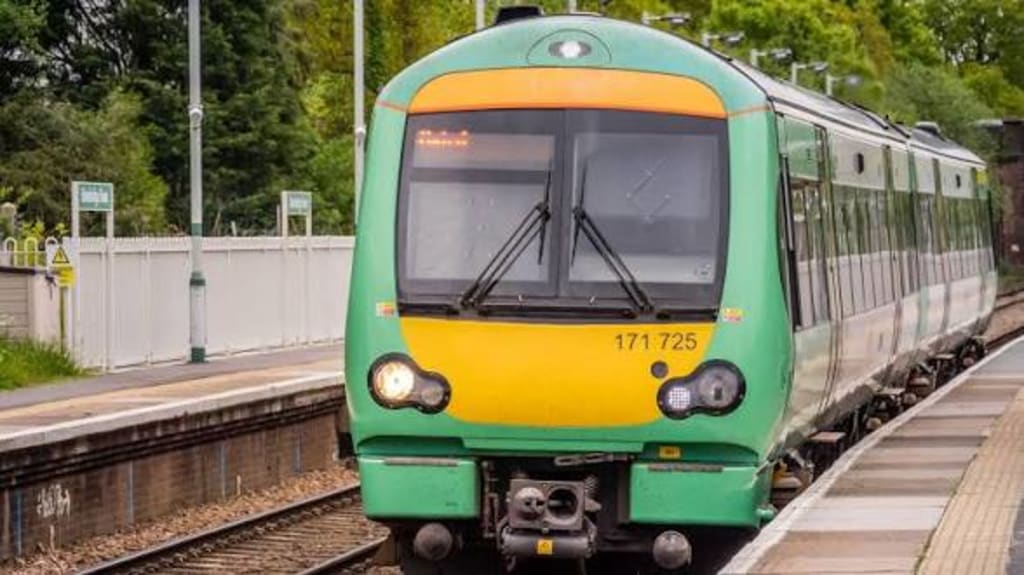
Rail services resume after engineers repair a track fault, but passengers are urged to check journeys as operators work to restore normal schedules
Rail services have resumed after a track defect caused disruption to train journeys, bringing relief to passengers who had faced delays, cancellations and changes to their travel plans. Engineers were called to inspect and repair the affected section of railway, with services gradually returning once the line was considered safe for trains to operate.
Track defects are among the most important issues railway operators must address because even a relatively small problem can require trains to be slowed, diverted or stopped completely. Although the disruption can be frustrating for passengers, temporarily closing or restricting a railway line is an essential safety measure when infrastructure requires inspection.
What caused the disruption?
A track defect can involve several different problems, including damage to rails, faults affecting sleepers, problems with track alignment or deterioration caused by repeated use and changing weather conditions.
Railway tracks are exposed to enormous forces every day. Passenger and freight trains place significant loads on rails, while temperature changes can cause metal components to expand and contract.
Regular inspections are therefore essential. Railway operators use specialist equipment and trained personnel to identify problems before they become serious safety risks.
In this case, engineers had to investigate the reported defect before normal train operations could resume. The repair process depended on the exact nature of the fault and the condition of the surrounding infrastructure.
Why trains cannot simply continue running
When a track problem is discovered, passengers may wonder why trains cannot continue operating at reduced speed.
The answer is safety.
Railways are carefully engineered systems in which trains travel along fixed routes at relatively high speeds. A defect that appears minor from a passenger's perspective can become more significant when subjected to the weight and speed of repeated train movements.
Operators may therefore impose temporary speed restrictions or close part of the line while engineers assess the problem.
These decisions can result in widespread disruption because a single section of track may serve multiple routes.
Engineers play a crucial role
Railway engineers are responsible for inspecting, maintaining and repairing infrastructure that passengers rarely think about during a normal journey.
When a defect is reported, specialist teams may examine the rails, track geometry and supporting infrastructure. Depending on the problem, repairs can involve replacing damaged components, correcting alignment or carrying out additional inspections.
After work is completed, the track may need to be checked again before trains are permitted to return to normal speeds.
This explains why services do not always restart immediately after engineers finish the physical repair. Safety checks and operational procedures can take additional time.
Services gradually return to normal
When a railway line reopens after engineering work, operators often warn passengers that delays may continue.
Trains that were cancelled during the disruption can create gaps in timetables. Other services may have been diverted, while trains and crews can be left in different locations from where they were originally scheduled.
As a result, reopening the track does not necessarily mean that every train immediately returns to its published timetable.
Passengers may experience short-term delays while operators reorganize services.
Advice for passengers
Anyone travelling on the affected route should check the latest information before leaving home.
Passengers can use railway operator websites, official travel applications and station information screens to confirm whether their particular service is running.
Those with flexible travel arrangements may also benefit from travelling outside the busiest periods while the timetable recovers.
Passengers should also allow additional time when changing trains. Even if the affected line has reopened, connecting services may still be operating differently.
The importance of railway maintenance
The incident highlights the importance of long-term investment in rail infrastructure.
Railways require constant maintenance because tracks, signalling equipment, bridges, electrical systems and stations are exposed to regular use and environmental conditions.
Preventive maintenance can help identify problems before they cause major disruption.
However, railway infrastructure is complex and sometimes defects are discovered unexpectedly. When that happens, operators must balance the need to keep passengers moving with the requirement to protect public safety.
Temporary disruption is therefore often preferable to allowing trains to operate over infrastructure that has not been fully inspected.
Weather can affect railway tracks
Weather conditions can also contribute to railway maintenance challenges.
Extreme heat can cause rails to expand, while severe cold can affect infrastructure in different ways. Heavy rainfall can weaken surrounding ground, increase flooding risks or contribute to drainage problems.
Storms can bring trees or debris onto tracks, while prolonged wet conditions can affect embankments.
Railway operators consequently monitor both infrastructure and weather conditions when assessing potential risks.
Why passengers may still see delays
Even after the track defect has been repaired, passengers may continue seeing delays for several hours.
The reason is that railway timetables operate as interconnected networks.
If one train is delayed, it can affect another service. A train arriving late may be unable to depart on time for its next journey. Crew schedules can also be affected, creating further delays.
This is known as the knock-on effect.
In large railway networks, even a relatively localized infrastructure problem can therefore affect services over a much wider area.
Safety remains the priority
For passengers, cancellations and delays can be inconvenient, especially when they are travelling to work, appointments, airports or important events.
Nevertheless, railway operators emphasize that infrastructure faults must be dealt with carefully.
A decision to stop or restrict trains can prevent a potentially dangerous situation from developing.
The safest outcome is therefore not always the one that keeps trains moving continuously. Sometimes the safest and most responsible decision is to stop services temporarily while engineers investigate.
What happens next?
With trains now running again, railway operators will monitor the repaired section closely to ensure that it continues to perform as expected.
Additional inspections may be carried out depending on the nature of the original defect. Temporary speed restrictions may also remain in place while engineers complete further checks.
Passengers should therefore continue checking travel information even after services restart.
The return of trains is an encouraging sign, but restoring the timetable completely can take time.
A reminder of the importance of reliable infrastructure
The disruption caused by the track defect demonstrates how dependent modern communities are on reliable railway networks.
Millions of passengers rely on trains every day for work, education, business and leisure. Behind every journey is an extensive infrastructure system that requires constant inspection and maintenance.
Although passengers understandably want services to run on time, safety must remain the first priority.
The reopening of the affected railway line means engineers have completed the necessary work to allow trains to operate again. As services gradually return to their normal schedules, the incident serves as a reminder that railway reliability depends not only on trains and timetables, but also on the condition of the tracks beneath them.
For passengers, the best advice is simple: check the latest travel information, allow extra time where possible and expect some residual delays while the network returns to normal.
About the Creator
Enjoyed the story? Support the Creator.
Subscribe for free to receive all their stories in your feed.
Comments
There are no comments for this story
Be the first to respond and start the conversation.