
The Silent Health Crisis: What Happens When You Stop Exercising After 40?
The Hidden Dangers of a Sedentary Lifestyle in Midlife

Introduction
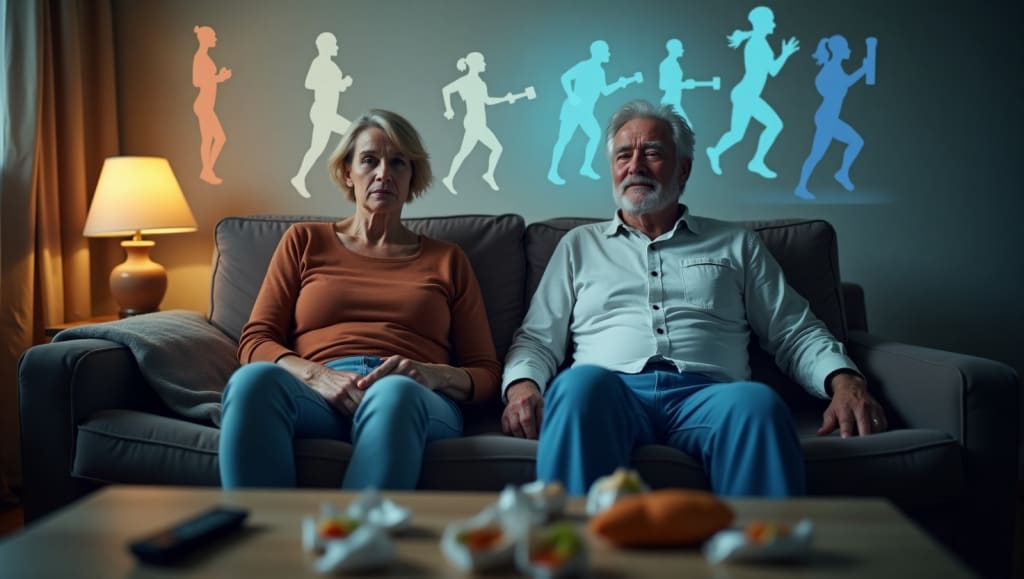
As we cross the milestone of 40, our bodies begin to change in ways that demand more attention to health and fitness. Unfortunately, many adults in this age group fall into the trap of a sedentary lifestyle—whether due to work pressures, family responsibilities, or simply losing the habit of regular exercise. What they may not realize is that skipping physical activity after 40 isn’t just about gaining a few extra pounds; it can trigger a cascade of health problems that worsen with time.
This article explores the serious consequences of not exercising after 40, from muscle deterioration to chronic diseases, and why staying active is no longer optional—it’s a necessity for a long, healthy life.
1. Muscle Loss and Strength Decline: The Stealthy Thief of Mobility
Why Inactivity Speeds Up Sarcopenia
After 40, adults lose 3-5% of muscle mass per decade, a condition known as sarcopenia. Without strength training:
Muscles shrink, making daily tasks (like carrying groceries or climbing stairs) harder.
Bone density decreases, raising the risk of osteoporosis and fractures.
Metabolism slows, leading to weight gain and fatigue.
The Fix: Resistance training (weights, resistance bands, or bodyweight exercises) twice a week can preserve muscle and strength.
2. The Heart Pays the Price: Higher Risk of Cardiovascular Disease
How a Sedentary Life Weakens Your Heart
The heart is a muscle—and like any muscle, it weakens without exercise. Inactive adults face:
High blood pressure (hypertension) due to poor circulation.
Increased LDL ("bad") cholesterol, leading to clogged arteries.
Higher risk of heart attacks and strokes from weakened cardiovascular function.
The Fix: Just 30 minutes of moderate cardio (walking, swimming, cycling) daily can dramatically improve heart health.
3. Blood Sugar Chaos: The Link Between Inactivity and Diabetes
Why Sitting Too Much Leads to Insulin Resistance
Exercise helps regulate blood sugar by making cells more sensitive to insulin. Without it:
The body struggles to process glucose, increasing diabetes risk.
Visceral fat accumulates, worsening inflammation and metabolic disorders.
Energy crashes become frequent, leading to fatigue and cravings.
The Fix: Even short bursts of activity (like a 10-minute walk after meals) can improve insulin sensitivity.
4. The Brain Suffers: Mental Decline and Mood Disorders
How Lack of Exercise Affects the Mind
Physical activity isn’t just for the body—it’s crucial for brain health. Inactive adults are more likely to experience:
Memory loss and cognitive decline (higher Alzheimer’s risk).
Depression and anxiety due to reduced endorphin production.
Poor sleep quality, worsening fatigue and irritability.
The Fix: Aerobic exercise (like brisk walking or dancing) boosts blood flow to the brain and enhances mood.
5. Weight Gain and Sluggish Metabolism: The Vicious Cycle
Why It’s Harder to Stay Lean After 40
Metabolism slows naturally with age, but inactivity makes it worse:
Muscle loss = fewer calories burned at rest.
Fat storage increases, especially around the abdomen (linked to heart disease).
Hormonal changes (like lower testosterone and estrogen) further slow fat loss.
The Fix: Combining strength training and cardio helps maintain a healthy weight.
6. Shortened Lifespan: The Ultimate Cost of Not Moving
Studies Show Inactivity Is as Deadly as Smoking
Research confirms that sedentary adults:
Have a higher mortality rate than active peers.
Develop chronic diseases earlier, reducing quality of life.
Lose independence faster, relying on others for basic tasks.
The Fix: Any movement counts—gardening, walking the dog, or taking the stairs can extend lifespan.
How to Start (Even If You’ve Been Inactive for Years)
Simple Steps to Get Moving Again
Start Slow: Begin with 10-minute walks and gradually increase.
Mix It Up: Combine strength, cardio, and flexibility exercises.
Make It Social: Join a fitness class or walk with a friend for accountability.
Listen to Your Body: Modify exercises to avoid injury.
Conclusion: It’s Never Too Late to Change
The consequences of skipping exercise after 40 are severe—but reversible. The body responds to movement at any age, and even small changes can lead to better health, more energy, and a longer life. The best time to start was years ago; the second-best time is today.
Your future self will thank you.
Word Count: 800
About the Creator
fitness club
"Fitness + food = your power combo! 💪🍏 I share quick workouts & easy meal hacks to fuel strong bodies. No fluff, just results. #FitAndFed"
Variations:
For weight loss: "Shed fat, keep flavor! 🔥 Short workouts + tasty meal
Enjoyed the story? Support the Creator.
Subscribe for free to receive all their stories in your feed.
Comments
There are no comments for this story
Be the first to respond and start the conversation.