
The Quiet Revolution Happening Inside Scanning Rooms
What shifting diagnostic technology means for patients who simply want answers
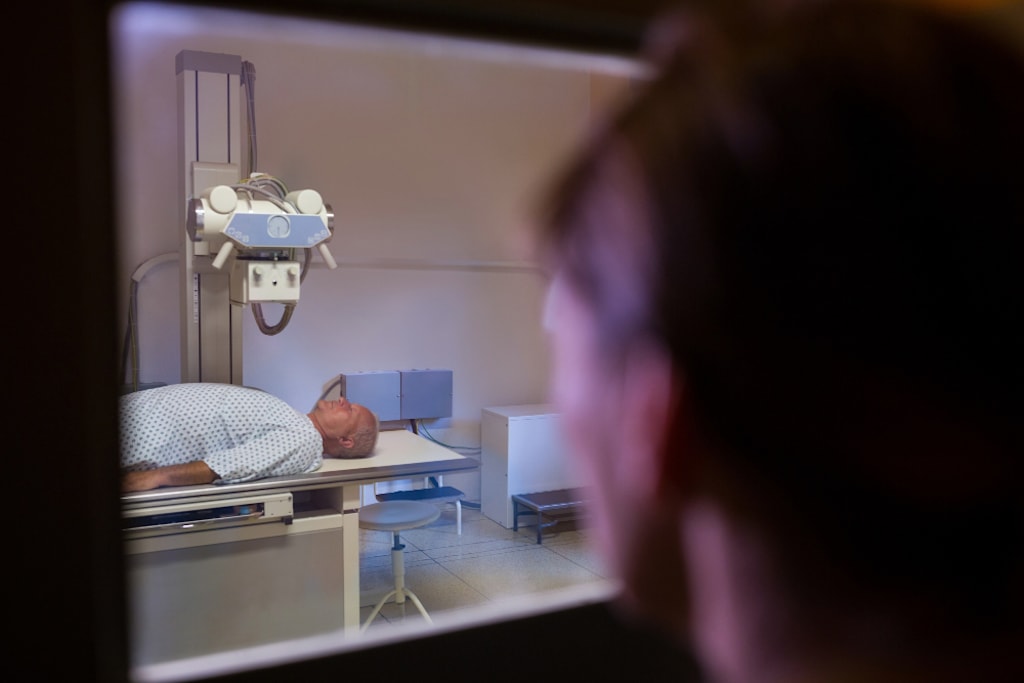
My father spent three weeks waiting for a referral that should have taken three days. By the time his results arrived, the window for early intervention had narrowed considerably. Nobody was negligent. The system was just slow — built for a different era, moving at a different pace. That experience planted something stubborn in me: a genuine fascination with how we detect illness, and why the machinery of diagnosis so often lags behind the urgency of the people depending on it.
When Distance Becomes the Diagnosis
Geography has always shaped medical outcomes in ways that feel quietly unfair. A patient in rural Cumbria and one in central London might present identical symptoms, yet receive vastly different diagnostic timelines. Global medical diagnostics is gradually eroding that gap — not through some dramatic breakthrough, but through the slow, persistent expansion of remote imaging services, portable testing kits, and cloud-connected pathology tools. Clinicians in smaller UK practices can now access specialist interpretation that once required a physical transfer of patient and paperwork alike.
Reading the Body in a Different Language
There's something almost archaeological about modern diagnostics. Every scan, every blood panel, every tissue sample is a kind of sediment layer — evidence of what the body has been building or dismantling over time. What's changed dramatically is who gets to read those layers, and how fast. AI-assisted image analysis now flags anomalies that exhausted radiologists, scanning their fiftieth image of a long shift, might momentarily miss. This isn't about replacing clinical judgment. It's about giving human expertise a second pair of eyes that never tires.
The Paperwork Behind the Prognosis
One aspect of global medical diagnostics that rarely earns its place in public conversation is the administrative architecture holding it together. Standardised data formats, interoperable patient records, and multilingual reporting systems might sound dry — but for a UK patient who received prior treatment abroad, or an international student registered with an NHS practice, these systems determine whether their history travels with them or vanishes into a bureaucratic gap. The diagnostic result means little if it cannot be read, shared, and acted upon by the right clinician at the right moment.
What Patients Actually Need to Know
If you're navigating the diagnostic process — whether through the NHS, a private provider, or a combination of both — understanding your options has genuine practical value. Accreditation bodies like UKAS in the UK set laboratory standards that directly affect result reliability. When a diagnostic provider operates within internationally recognised frameworks, that alignment matters beyond formality. Patients requesting second opinions, particularly for complex or ambiguous findings, can now access global medical diagnostics networks where specialist panels review cases collaboratively across borders. Knowing that option exists is not a luxury — it's information that could alter a treatment path entirely.
What Stays Human in All of This
My father eventually got his diagnosis. The delay cost him options, though not his recovery. What stayed with me wasn't the technology that could have helped him sooner — it was the consultant who sat with him for forty minutes explaining exactly what the results meant, in plain language, without rushing toward the door. No diagnostic platform, however sophisticated, has replicated that yet. The tools of global medical diagnostics continue expanding in precision and reach, but the moment a patient receives difficult news, what they need beside them is still a person who knows how to hold that weight alongside them.
Diagnosis is where medicine begins its most consequential work. The systems supporting it deserve the same attention we give the treatments that follow. Paying attention to how those systems are evolving — and advocating for access to the best of them — is something any patient anywhere has every right to do.
About the Creator
Evie Richard
Welcome to my page! I write easy to read articles on different topics. I believe learning should be simple, fun, and helpful for everyone.
Enjoyed the story? Support the Creator.
Subscribe for free to receive all their stories in your feed.
Comments
There are no comments for this story
Be the first to respond and start the conversation.