
The most effective method to normally get thinner quick
Losing weight can be a challenging and frustrating process, especially if you're not seeing the results you want. If you're looking to shed a few pounds in a healthy and sustainable way, there are a few things you can do to naturally lose weight fast. First and foremost, it's important to focus on eating a healthy and well-balanced diet. This means filling your plate with plenty of fruits, vegetables, whole grains, and lean proteins, and avoiding processed and high-fat foods. In addition to providing your body with the nutrients it needs to function properly, a healthy diet can help you feel full and satisfied, making it easier to stick to your weight loss goals.
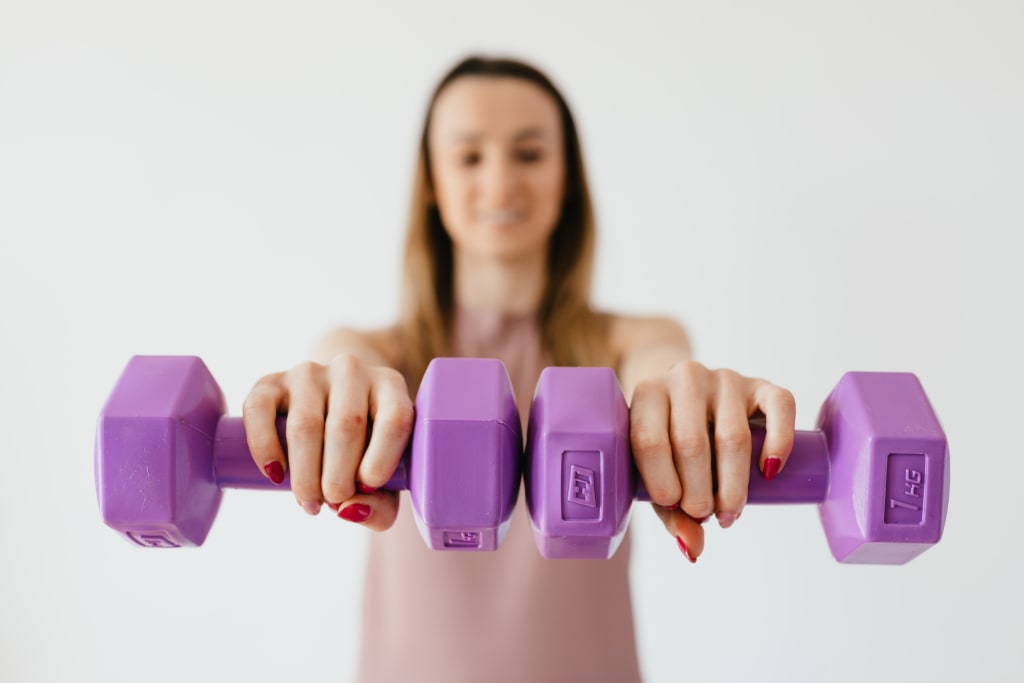
Losing weight can be a challenging and frustrating process, especially if you're not seeing the results you want. If you're looking to shed a few pounds in a healthy and sustainable way, there are a few things you can do to naturally lose weight fast.
First and foremost, it's important to focus on eating a healthy and well-balanced diet. This means filling your plate with plenty of fruits, vegetables, whole grains, and lean proteins, and avoiding processed and high-fat foods. In addition to providing your body with the nutrients it needs to function properly, a healthy diet can help you feel full and satisfied, making it easier to stick to your weight loss goals.
Exercise is another crucial aspect of any weight loss program. Aim for at least 150 minutes of moderate-intensity aerobic exercise or 75 minutes of vigorous-intensity aerobic exercise per week. In addition to burning calories and helping you lose weight, regular exercise can also improve your overall health and well-being.
Drinking plenty of water is another simple but effective way to lose weight. Water can help you feel full and satisfied, and it has zero calories, making it a great choice for weight loss. Aim for at least eight 8-ounce glasses of water per day.
Getting enough sleep is also important for weight loss. Lack of sleep can lead to weight gain, so make sure you're getting 7-9 hours of sleep per night.
Finally, reducing stress can be helpful for weight loss. Chronic stress can lead to weight gain, so finding ways to manage stress, such as through meditation, yoga, or exercise, can be beneficial for weight loss.
Overall, losing weight naturally requires a combination of a healthy diet, regular exercise, plenty of water, and stress management. By following these simple tips, you can lose weight in a healthy and sustainable way.
Eat a healthy, well-balanced diet
Eating a healthy, well-balanced diet is an important part of any weight loss program. A healthy diet should include a variety of foods from all food groups, including:
Fruits: Aim for at least 5 servings of fruits per day. Choose fresh, frozen, or canned fruits that are low in added sugars.
Vegetables: Aim for at least 5 servings of vegetables per day. Choose a variety of vegetables, including leafy greens, broccoli, peppers, and tomatoes.
Whole grains: Choose whole grain breads, cereals, and pastas over refined grains.
Lean proteins: Choose lean sources of protein, such as chicken, turkey, fish, beans, and tofu. Avoid high-fat meats and processed meats.
Healthy fats: Choose healthy fats, such as olive oil, avocado, and nuts, in moderation. Avoid unhealthy fats, such as trans fats and saturated fats.
In addition to including a variety of healthy foods in your diet, it's also important to limit your intake of processed and high-fat foods. These types of foods are often high in calories and can contribute to weight gain.
It's also important to pay attention to portion sizes. Eating more than you need can lead to weight gain, even if you're eating healthy foods.
By following these guidelines and making healthy food choices, you can create a well-balanced diet that will help you lose weight and improve your overall health.
Fruits
Fruits are an important part of a healthy diet and can help with weight loss. Here are a few reasons why fruits are good for weight loss:
Low in calories: Most fruits are low in calories, making them a good choice for weight loss. For example, an apple has about 95 calories, a banana has about 105 calories, and a cup of berries has about 80 calories.
High in fiber: Fruits are a good source of fiber, which can help you feel full and satisfied. This can help you eat less and lose weight.
Nutrient-dense: Fruits are packed with vitamins, minerals, and other nutrients that are important for good health.
Versatile: Fruits can be eaten as a snack, added to a meal, or used as a natural sweetener in recipes.
To get the most benefits from fruits, aim for at least 5 servings per day. Choose a variety of fruits, including fresh, frozen, or canned options that are low in added sugars. Avoid fruit juices, as they are often high in added sugars and calories.
Vegetables
Vegetables are an important part of a healthy diet and can help with weight loss. Here are a few reasons why vegetables are good for weight loss:
Low in calories: Most vegetables are low in calories, making them a good choice for weight loss. For example, a cup of raw spinach has about 7 calories, a cup of broccoli has about 55 calories, and a medium carrot has about 25 calories.
High in fiber: Vegetables are a good source of fiber, which can help you feel full and satisfied. This can help you eat less and lose weight.
Nutrient-dense: Vegetables are packed with vitamins, minerals, and other nutrients that are important for good health.
Versatile: Vegetables can be eaten raw, cooked, or added to a variety of dishes.
To get the most benefits from vegetables, aim for at least 5 servings per day. Choose a variety of vegetables, including leafy greens, broccoli, peppers, and tomatoes. Avoid vegetables that are high in added sugars or calories, such as french fries or onion rings.
Whole grains
Whole grains are an important part of a healthy diet and can help with weight loss. Here are a few reasons why whole grains are good for weight loss:
Low in calories: Most whole grains are low in calories, making them a good choice for weight loss. For example, a cup of cooked quinoa has about 222 calories, a slice of whole grain bread has about 70 calories, and a cup of cooked brown rice has about 216 calories.
High in fiber: Whole grains are a good source of fiber, which can help you feel full and satisfied. This can help you eat less and lose weight.
Nutrient-dense: Whole grains are packed with vitamins, minerals, and other nutrients that are important for good health.
Versatile: Whole grains can be used in a variety of dishes, such as bread, pasta, cereal, and more.
To get the most benefits from whole grains, choose whole grain breads, cereals, and pastas over refined grains. Aim for at least 3 servings of whole grains per day. Avoid processed and high-fat grains, such as white bread and pasta, as these are less nutritious and can contribute to weight gain.
Lean proteins
Lean proteins are an important part of a healthy diet and can help with weight loss. Here are a few reasons why lean proteins are good for weight loss:
Keep you feeling full and satisfied: Protein can help you feel full and satisfied, which can make it easier to stick to your weight loss goals.
Help build and maintain muscle mass: Lean proteins can help build and maintain lean muscle mass, which can increase your metabolism and help you burn more calories.
Nutrient-dense: Lean proteins are packed with important vitamins, minerals, and other nutrients that are important for good health.
Versatile: Lean proteins can be incorporated into a variety of dishes, such as salads, soups, and stir-fries.
To get the most benefits from lean proteins, choose lean sources of protein, such as chicken, turkey, fish, beans, and tofu. Avoid high-fat meats and processed meats, as these are higher in calories and can contribute to weight gain. Aim for at least 3 servings of lean protein per day.
Healthy fats
Healthy fats are an important part of a healthy diet and can help with weight loss. Here are a few reasons why healthy fats are good for weight loss:
Keep you feeling full and satisfied: Healthy fats can help you feel full and satisfied, which can make it easier to stick to your weight loss goals.
Support brain and heart health: Healthy fats, such as omega-3 fatty acids, can support brain and heart health.
Nutrient-dense: Healthy fats are packed with important vitamins, minerals, and other nutrients that are important for good health.
Versatile: Healthy fats can be incorporated into a variety of dishes, such as salads, soups, and stir-fries.
To get the most benefits from healthy fats, choose healthy fats, such as olive oil, avocado, and nuts, in moderation. Avoid unhealthy fats, such as trans fats and saturated fats, as these can contribute to weight gain and other health problems. Aim for about 20-35% of your daily calories to come from healthy fats.
Get regular exercise
Getting regular exercise is an important part of any weight loss program. Exercise can help you lose weight by burning calories and building lean muscle mass, which can increase your metabolism and help you burn more calories.
To get the most benefits from exercise, aim for at least 150 minutes of moderate-intensity aerobic exercise or 75 minutes of vigorous-intensity aerobic exercise per week. This can include activities such as walking, running, cycling, swimming, or dancing.
In addition to aerobic exercise, it's also a good idea to include strength training in your exercise routine. Strength training can help build lean muscle mass, which can increase your metabolism and help you burn more calories. This can include activities such as lifting weights or using resistance bands.
It's important to find an exercise routine that you enjoy, as this will make it easier to stick with it. If you're new to exercise or have any health concerns, it's a good idea to talk to a healthcare provider before starting a new exercise program.
By getting regular exercise, you can boost your weight loss efforts and improve your overall health and well-being.
Drink plenty of water
Drinking plenty of water is an important part of any weight loss program. Water can help you feel full and satisfied, which can make it easier to stick to your weight loss goals. It also has zero calories, making it a great choice for weight loss.
To get the most benefits from water, aim for at least 8 8-ounce glasses of water per day. This is known as the "8x8 rule" and is a good starting point for most people. However, your specific water needs may vary depending on factors such as your age, sex, weight, and activity level.
In addition to plain water, you can also get hydration from other beverages, such as unsweetened coffee, tea, and herbal tea. You can also get hydration from foods, such as fruits and vegetables, which have a high water content.
It's important to avoid sugary drinks, such as soda, fruit juices, and sports drinks, as these are high in calories and can contribute to weight gain.
By drinking plenty of water, you can help support your weight loss efforts and improve your overall health and well-being.
Get enough sleep
Getting enough sleep is an important part of any weight loss program. Lack of sleep can lead to weight gain, as it can affect your appetite, metabolism, and hormone levels.
To get the most benefits from sleep, aim for 7-9 hours of sleep per night. This is the recommended amount of sleep for most adults. However, your specific sleep needs may vary depending on factors such as your age, sex, and activity level.
There are a few things you can do to help improve your sleep quality:
Stick to a consistent sleep schedule: Go to bed and wake up at the same time every day to help regulate your body's internal clock.
Create a sleep-friendly environment: Keep your bedroom cool, dark, and quiet, and use a comfortable mattress and pillows.
Avoid screens before bed: The blue light emitted by screens can disrupt your body's natural sleep-wake cycle, so it's a good idea to avoid screens for at least an hour before bed.
Relax before bed: Engage in relaxation techniques, such as reading, listening to calming music, or taking a warm bath, to help you wind down before bed.
By getting enough sleep, you can support your weight loss efforts and improve your overall health and well-being.
Reduce stress
There are many ways to reduce stress. Here are a few strategies that you can try:
Practice deep breathing: Take slow, deep breaths in through your nose and out through your mouth. This can help you relax and calm down.
Exercise: Regular physical activity can help reduce stress and improve your overall well-being.
Get plenty of sleep: Lack of sleep can contribute to stress, so make sure you're getting enough rest.
Take breaks: Make time for activities that you enjoy, such as hobbies or spending time with friends and family.
Practice relaxation techniques: Consider techniques such as meditation, yoga, or progressive muscle relaxation to help you relax.
Eat a healthy diet: A healthy diet can help improve your mood and reduce stress.
Seek support: Talk to a friend, family member, or mental health professional about your stress.
Remember, it's important to find what works best for you and to be patient with yourself. It can take time to learn how to manage stress effectively.
Practice deep breathing
To practice deep breathing, follow these steps:
Find a comfortable, quiet place to sit or lie down.
Close your eyes and take a few slow, deep breaths in through your nose and out through your mouth.
Focus on your breath and try to clear your mind of other thoughts.
As you breathe in, slowly count to four. Hold your breath for a count of four. Then, exhale slowly for a count of four.
Repeat this pattern for a few minutes, taking slow, deep breaths.
Deep breathing can help you relax and calm down by activating your body's natural relaxation response. It's a simple and effective technique that you can do anywhere and anytime you need to reduce stress.
Remember to be patient with yourself and give yourself time to relax and unwind. It may take some practice to get the hang of deep breathing, but it can be a powerful tool to help you manage stress.
Exercise
Exercise is a great way to reduce stress and improve your overall well-being. When you exercise, your body releases endorphins, which are chemicals that improve your mood and reduce feelings of stress and anxiety. Exercise can also help you sleep better, which can further reduce stress.
There are many different types of exercise that you can try, so it's important to find activities that you enjoy. Some options include:
Walking or jogging: These are simple and accessible ways to get some exercise.
Strength training: Lifting weights or using resistance bands can help build muscle and reduce stress.
Yoga or pilates: These activities combine physical exercise with relaxation techniques, which can be especially helpful for reducing stress.
Swimming or cycling: These activities provide a great cardiovascular workout and can be enjoyable for many people.
Team sports: Playing a sport with others can be a fun and social way to get exercise and reduce stress.
Remember to listen to your body and start at a level that feels comfortable for you. As you become more fit, you can gradually increase the intensity and duration of your workouts. It's also important to talk to your doctor before starting any new exercise program.
Get plenty of sleep
Getting plenty of sleep is important for reducing stress and maintaining overall good health. Here are a few tips for getting better sleep:
Establish a consistent sleep routine: Try to go to bed and wake up at the same time every day, even on weekends.
Create a comfortable sleep environment: Make sure your bedroom is cool, dark, and quiet, and use a comfortable mattress and pillows.
Avoid screens before bedtime: The blue light emitted by screens can interfere with your body's natural sleep cycle. Try to avoid screens for at least an hour before bedtime.
Relax before bed: Try relaxation techniques such as deep breathing or progressive muscle relaxation to help you wind down before bed.
Avoid caffeine and alcohol: These substances can disrupt your sleep and make it harder to fall asleep.
Get regular exercise: Regular physical activity can help you sleep better and reduce stress. Just be sure to finish your workout a few hours before bedtime.
If you're having trouble sleeping despite trying these strategies, it may be helpful to talk to your doctor or a mental health professional. They can help you identify any underlying causes of your sleep problems and develop a plan to improve your sleep.
Take breaks
Taking breaks is important for reducing stress and maintaining overall well-being. When you're constantly working or stressed out, it's easy to feel overwhelmed and burnt out. Taking regular breaks can help you recharge and refocus, which can ultimately make you more productive.
Here are a few ways to incorporate breaks into your day:
Step away from your work: Take a few minutes to stretch, walk around, or do some deep breathing exercises to help you relax.
Take a lunch break: Step away from your desk and take a break to eat lunch and clear your mind.
Schedule leisure activities: Make time for activities that you enjoy, such as hobbies or spending time with friends and family.
Practice mindfulness: Take a few minutes to focus on your surroundings and be present in the moment. This can help you relax and refocus.
Remember, it's important to find a balance between work and leisure. Taking breaks can help you stay energized and productive, so don't be afraid to step away from your work when you need to.
Practice relaxation techniques
There are many relaxation techniques that you can try to help reduce stress and improve your overall well-being. Here are a few options:
Meditation: Meditation involves focusing your attention on a specific object, thought, or activity to train your mind to stay calm and clear. There are many different types of meditation, such as mindfulness meditation or guided meditation.
Yoga: Yoga involves physical poses, controlled breathing, and meditation. It can help improve flexibility, strength, and relaxation.
Progressive muscle relaxation: This technique involves tensing and relaxing different muscle groups to help you relax your body and mind.
Deep breathing: Deep breathing involves taking slow, deep breaths in through your nose and out through your mouth. This can help activate your body's natural relaxation response.
Guided imagery: Guided imagery involves using your imagination to visualize a peaceful scene or situation. This can help you relax and reduce stress.
It's important to find a relaxation technique that works for you and to be patient with yourself. It may take some time and practice to get the hang of these techniques, but they can be powerful tools for reducing stress and improving your well-being.
Eat a healthy diet
Eating a healthy diet is important for maintaining overall good health and reducing stress. Here are a few tips for eating a healthy diet:
Eat a variety of foods: Include a variety of fruits, vegetables, whole grains, and lean proteins in your diet.
Limit processed and high-fat foods: These foods can be high in calories and unhealthy fats, and they may contribute to feelings of stress and anxiety.
Drink plenty of water: Staying hydrated can help you feel energized and focused.
Don't skip meals: Skipping meals can lead to low blood sugar, which can cause irritability and difficulty concentrating.
Eat mindfully: Take the time to sit down and enjoy your meals, rather than eating on the go. This can help you be more mindful of what you're eating and may help you feel more satisfied.
Remember, everyone's nutritional needs are different, so it's important to talk to a healthcare professional or a registered dietitian if you have questions about your specific needs. They can help you develop a healthy eating plan that's right for you.
Seek support
Seeking support can be a helpful way to reduce stress and improve your overall well-being. When you're feeling overwhelmed or stressed, it can be helpful to talk to someone about your feelings and thoughts. Sharing your concerns with a trusted friend, family member, or mental health professional can provide a sense of relief and help you feel less alone.
There are many different types of support that you can seek, depending on your needs and preferences. Some options include:
Talking to a friend or family member: Sharing your thoughts and feelings with a trusted friend or family member can provide a sense of understanding and comfort.
Seeking help from a mental health professional: A mental health professional, such as a therapist or counselor, can provide a safe and supportive space to talk about your feelings and work through any challenges you may be facing.
Joining a support group: Support groups are groups of people who are going through similar experiences and who can provide emotional support and guidance.
Seeking help from a spiritual leader or religious community: For some people, seeking support from a spiritual leader or their religious community can be a source of comfort and guidance.
It's important to remember that seeking support is a sign of strength, not weakness. It takes courage to ask for help, and it can be a powerful step towards improving your well-being.
Losing weight naturally and safely requires a combination of a healthy diet, regular physical activity, and a consistent routine. While there are no quick fixes or shortcuts, there are several strategies that can help you reach your weight loss goals in a healthy and sustainable way.
One of the most effective ways to lose weight is to focus on eating a healthy, well-balanced diet. This means including a variety of fruits, vegetables, whole grains, and lean proteins in your meals and snacks. Limiting your intake of processed and high-fat foods can also be helpful.
In addition to a healthy diet, regular physical activity is important for weight loss. Aim for at least 150 minutes of moderate-intensity activity or 75 minutes of vigorous-intensity activity per week. This can include activities such as walking, jogging, cycling, or strength training.
It's also important to establish a consistent routine, which can help you stay on track with your diet and exercise goals. This can include setting aside specific times for meals and physical activity, as well as getting enough sleep and taking breaks to relax and recharge.
Remember, losing weight naturally and safely takes time and effort, but it is possible. By focusing on a healthy diet, regular physical activity, and a consistent routine, you can make progress towards your weight loss goals in a sustainable and healthy way.
About the Creator
Enjoyed the story? Support the Creator.
Subscribe for free to receive all their stories in your feed.
Comments
There are no comments for this story
Be the first to respond and start the conversation.