
The Future of Elderly Care Will Be Shaped by Leaders Who Understand People
Sheth Jeebun’s career offers a timely example of why nursing home leadership in the UK must stay connected to both frontline care and long-term service quality.
When people talk about healthcare leadership, they often focus on systems, performance, targets, and compliance. Those are important elements, especially in highly regulated sectors like elderly care. But anyone who has spent time inside a nursing home knows that the heart of the work is not found in documents or dashboards. It is found in the everyday experience of residents and staff. It is found in the tone of a conversation, the calm of a safe environment, and the consistency of people who care well even when the work is difficult.
That is why the future of elderly care in the United Kingdom will depend not only on stronger policies, but on stronger leadership.
The role of a nursing home leader has changed significantly over time. Years ago, leadership in many care environments was often understood in practical, administrative terms. Keep the service running. Meet minimum standards. Manage the team. Handle the paperwork. Those responsibilities still exist, but the expectations attached to them have deepened. Today, a care home leader is also expected to build trust, uphold dignity, support staff wellbeing, drive improvement, and create a culture in which residents are treated as people first.
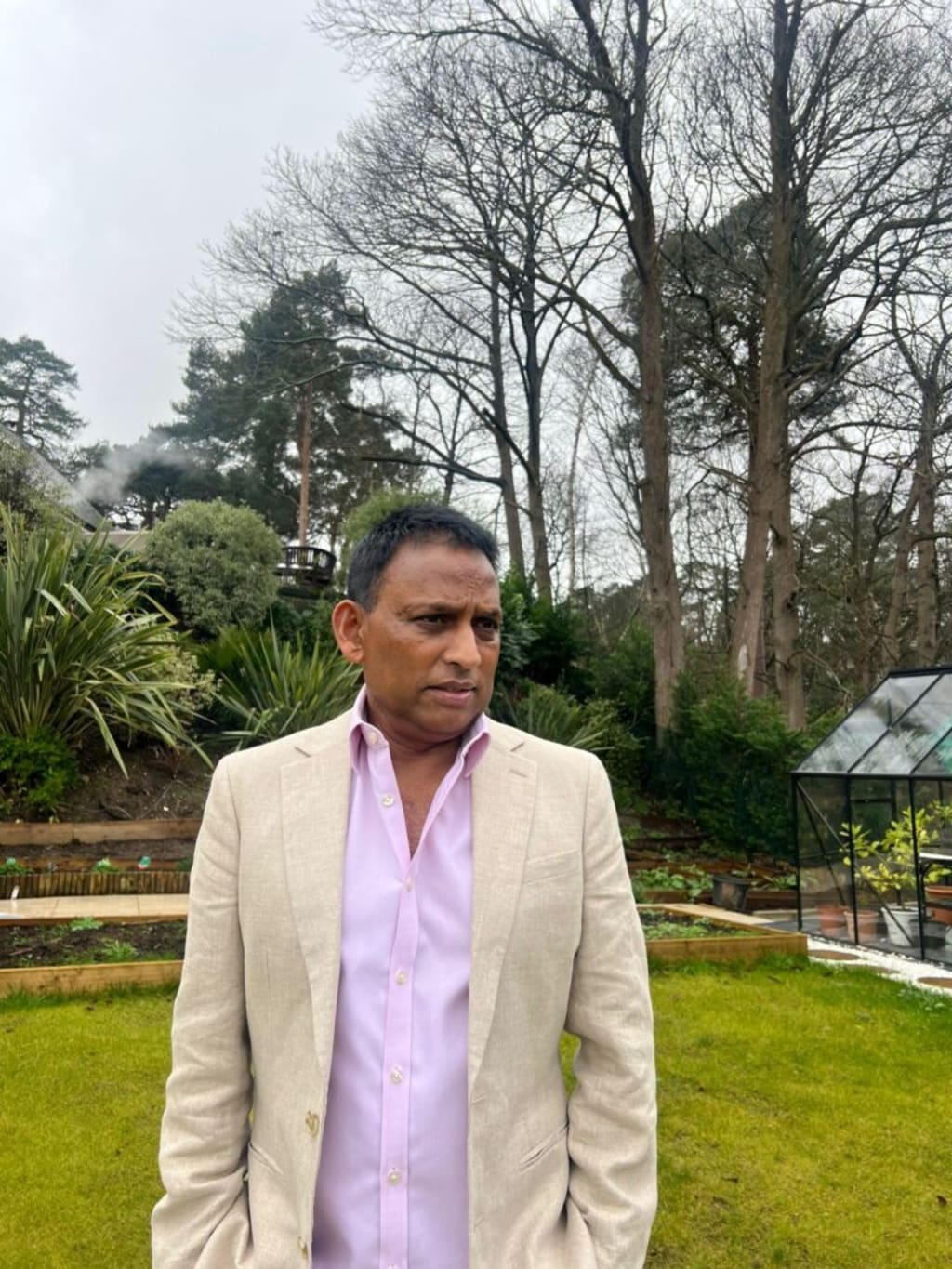
This evolution can be seen through the professional journey of Sheth Jeebun. His career, which began in clinical nursing and expanded into management and elderly care leadership, reflects a broader truth about the sector: some of the most effective leaders are those who understand both the operational side of care and its human side.
Starting out as a registered nurse in the late 1980s, Jeebun developed his understanding in direct patient settings before taking on wider responsibilities. That path matters because healthcare leadership is strongest when it is built on lived knowledge rather than distant theory. A person who has worked closely with patients learns quickly that care is never purely technical. It requires timing, empathy, observation, patience, and teamwork. It requires the ability to notice what is not being said. Those lessons stay with a leader.
As the years passed and his responsibilities broadened into ward management and operational leadership, the shape of modern care home management became more visible. A leader in this environment is constantly balancing competing demands. Residents need safety and continuity. Families want communication and reassurance. Staff need support, direction, and stability. Regulators expect evidence of compliance and quality. The organisation itself requires sustainability and structure. A good leader cannot ignore any of these pressures, but must somehow bring them into alignment.
This is one reason person-centred care has become such an important principle in elderly care. It reminds providers that residents are not simply recipients of services. They are individuals with histories, identities, and emotional lives. The best care homes do not reduce people to routines. They create conditions in which older adults can still feel respected, known, and valued.
However, person-centred care does not happen by accident. It grows in environments where leadership makes it possible. A team cannot consistently deliver respectful care if it is unsupported, overstretched, or unclear about expectations. Leadership determines whether compassion becomes part of the daily culture or remains an empty phrase in a handbook. In this sense, the quality of life inside a nursing home is often a reflection of the quality of leadership behind it.
Jeebun’s move into nursing home development during the 1990s and early 2000s also mirrors the wider changes taking place across the UK. As demand for elderly care increased, providers needed to think more carefully about scale, structure, and service quality. Running a nursing home was no longer a matter of maintaining a building and a staffing rota. It required clearer systems, stronger oversight, and a more thoughtful understanding of what good care should look like in practice.
His later leadership role at Cardinal Healthcare fits into this picture as well. Senior responsibility in a care organisation means more than supervising operations from a distance. It means shaping values into systems. It means ensuring that standards are not only written down but carried through into the daily experience of residents. It means understanding that care quality depends on culture just as much as procedure.
This is perhaps the most important lesson in the evolution of nursing home leadership. Elderly care is not improved by management language alone. It improves when leaders understand that every policy eventually reaches a person. Every staffing decision affects a resident. Every training gap affects a family’s confidence. Every act of good leadership makes better care more likely.
The UK care sector will continue to face pressure in the years ahead, from staffing challenges to rising expectations and growing complexity in resident needs. In that environment, the most valuable leaders will be those who remain grounded. They will understand metrics, but not be ruled by them. They will respect regulation, but not lose compassion. They will pursue efficiency, but not at the expense of dignity.
That is why journeys like Sheth Jeebun’s matter. They show what leadership can look like when it develops through experience, responsibility, and continued focus on resident wellbeing. More importantly, they point toward the kind of leadership elderly care will need in the future.
In the end, nursing homes are not just healthcare settings. They are places of trust. The people who lead them shape not only operations, but daily life. And in a sector built around vulnerability and care, that kind of leadership may be the most important factor of all.
About the Creator
Enjoyed the story? Support the Creator.
Subscribe for free to receive all their stories in your feed.
Comments
There are no comments for this story
Be the first to respond and start the conversation.