
The Future of Elderly Care Needs Leaders with Experience
What Sheth Jeebun’s professional journey reveals about the skills, values, and vision required in modern healthcare management
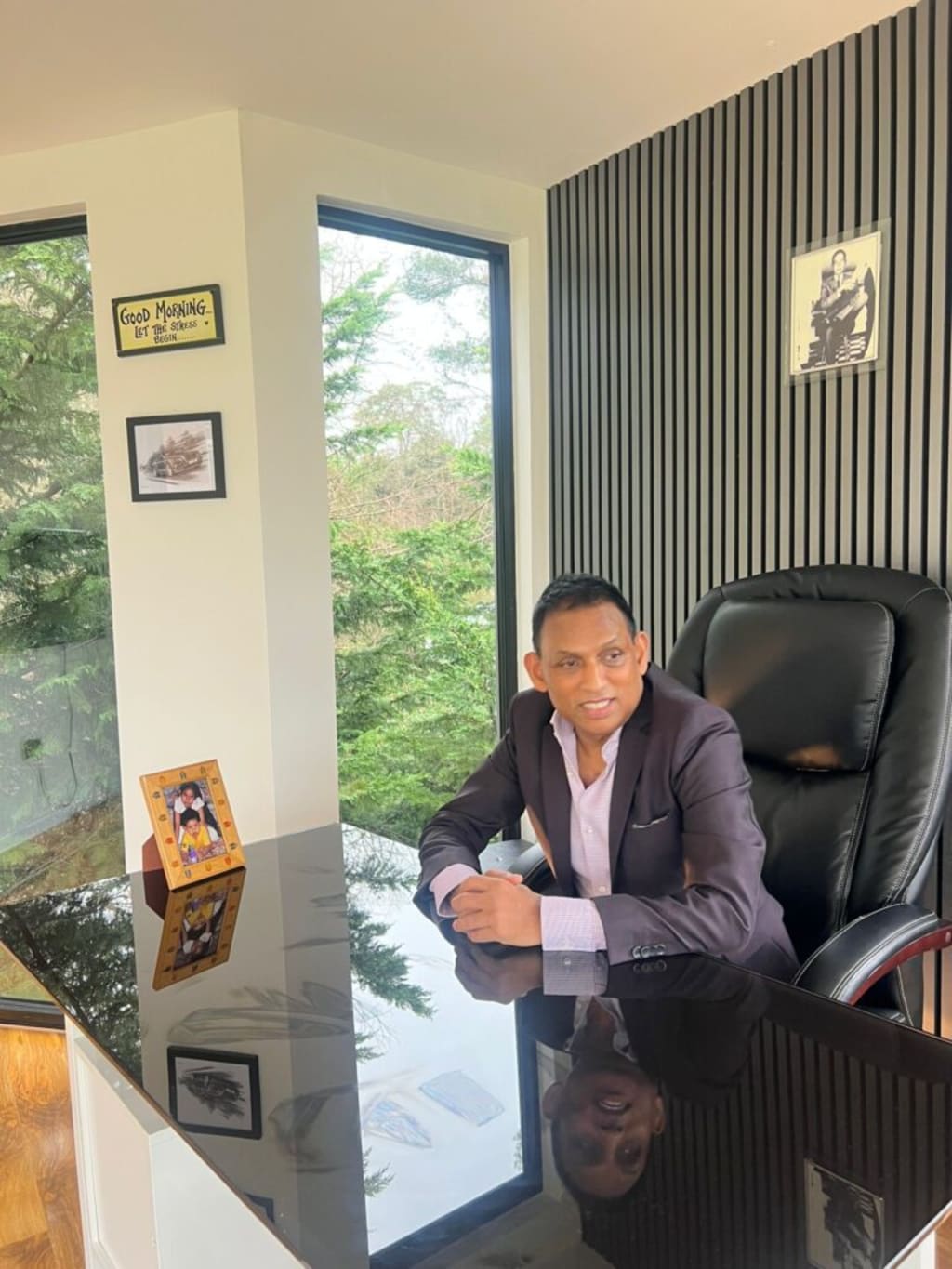
The future of elderly care will not be shaped by policy alone. It will be shaped by leadership. As populations age and care systems face growing pressure, the quality of leadership inside nursing homes and care organisations will become one of the biggest factors in determining outcomes for residents and staff alike. In this context, the professional journey of Sheth Jeebun offers a useful example of the kind of background and mindset that modern healthcare management increasingly requires.
Experience remains one of the most valuable assets in healthcare. While innovation and technology are important, they cannot replace the judgment that develops through years of direct involvement in patient care and service delivery. A leader who began in nursing, worked through the realities of clinical care, and later stepped into operational leadership brings a perspective that is difficult to imitate. That progression creates a bridge between frontline realities and executive decision-making.
In elderly care, that bridge matters a great deal. Care home leadership is not just about maintaining occupancy, meeting regulations, or managing budgets. It is about creating safe, stable, and respectful environments for residents whose daily quality of life depends on the strength of the systems around them. It is also about supporting staff who carry the emotional and physical responsibility of care work every day.
A leader with a clinical foundation is often better positioned to understand the pressures within these environments. They know that healthcare is not abstract. It happens in conversations, routines, observations, and moments of response. They understand that a well-run care setting depends on more than formal policies. It depends on teamwork, consistency, communication, and a culture that treats dignity as essential rather than optional.
As the sector evolves, elderly care leaders will be expected to do more than preserve standards. They will need to improve them. That means preparing organisations for the future while staying rooted in the present needs of residents. Digital systems, workforce training, infrastructure improvements, and personalised care models are all becoming central to the conversation around healthcare development. None of these priorities can succeed without capable leadership to guide them.
This is why the professional path of someone like Sheth Jeebun is relevant beyond one individual career story. It reflects a wider principle in healthcare: leadership is strongest when it grows out of practical understanding. People who have seen care delivered at ground level are often more realistic about what support teams need, what residents value, and what sustainable improvement actually looks like.
There is also an ethical lesson here. The future of elderly care cannot be built on efficiency alone. It must be built on respect. In care homes, residents are not simply recipients of a service. They are individuals with histories, preferences, vulnerabilities, and rights. Leadership that focuses only on systems without recognising the human dimension will always fall short. The best healthcare environments are created by leaders who understand that structure and compassion must work together.
Families, too, place enormous trust in care providers. When a loved one enters residential care, relatives are not only seeking professional support. They are also hoping for reassurance that the person they care about will be treated with dignity. This is why communication, transparency, and ethical standards are so important in leadership. They create confidence, and confidence is essential to the long-term credibility of care organisations.
Workforce development is another challenge that will define the years ahead. The care sector needs trained, motivated, and supported professionals. Staff retention, training quality, and workplace culture are no longer secondary issues. They are core strategic concerns. Strong leaders recognise that care quality depends heavily on the people delivering it. Supporting staff is therefore not separate from supporting residents. The two are directly connected.
As healthcare continues to change, the most effective leaders will be those who can combine experience with adaptability. They will need to understand traditional care values while responding to new demands. They will need to lead organisations responsibly while keeping the resident at the centre of every decision. Above all, they will need to prove that leadership in elderly care is not only about management, but about stewardship.
The professional journey of Sheth Jeebun highlights the value of that kind of leadership. It shows how a career built on clinical experience, ethical focus, and operational responsibility can provide a strong model for what elderly care leadership should look like in the years ahead. In a sector where the human stakes are so high, experience-led leadership is not just beneficial. It is essential.
About the Creator
Enjoyed the story? Support the Creator.
Subscribe for free to receive all their stories in your feed.
Comments
There are no comments for this story
Be the first to respond and start the conversation.