
The Essentials of Nutrition: Understanding Macronutrients
Carbohydrates, Proteins, and Fats – Fueling Your Body Right

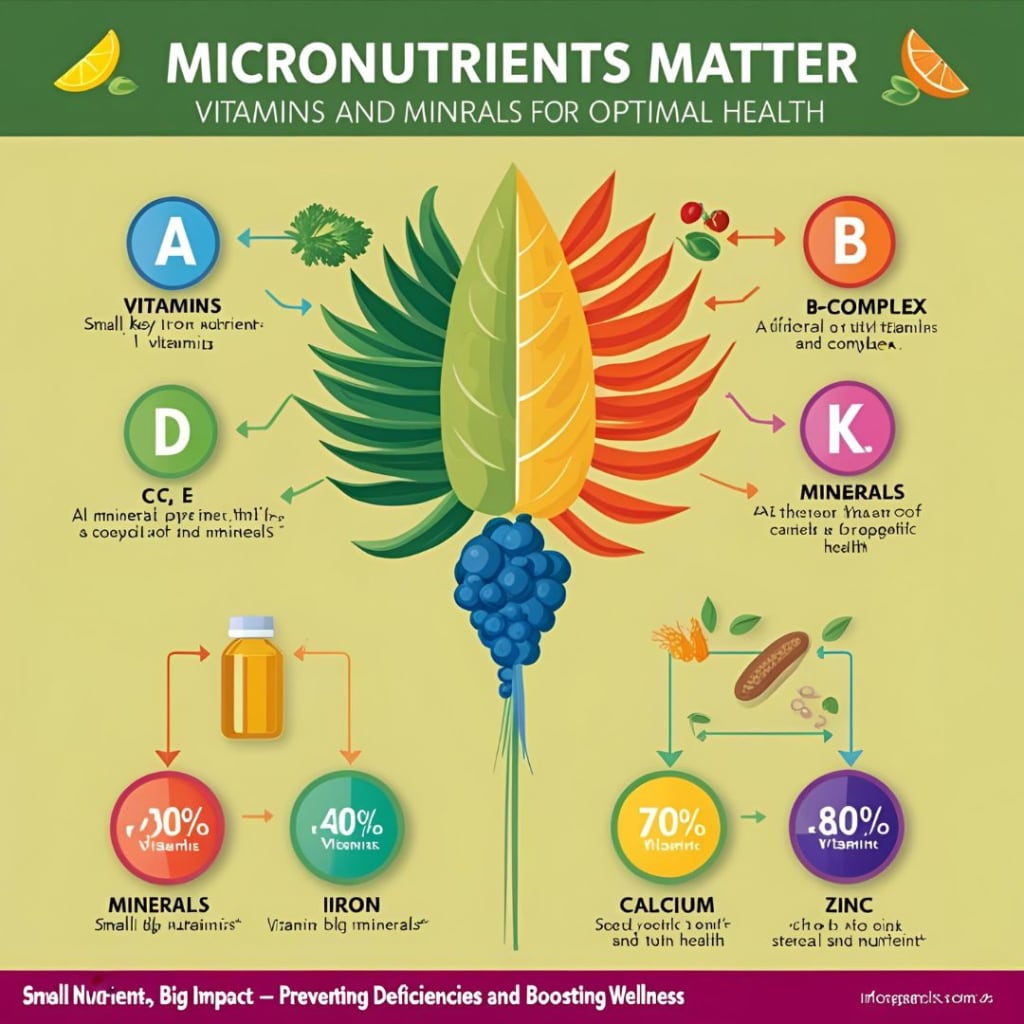
Nutrition is the foundation of good health, and understanding the basics is essential for making informed dietary choices. At the heart of nutrition are macronutrients - carbohydrates, proteins, and fats - the primary sources of energy and building blocks for the body. Each macronutrient plays a unique role in maintaining bodily functions, supporting growth, and providing energy. This article will explore what macronutrients are, their functions, sources, and how to balance them for optimal health.
What Are Macronutrients?
Macronutrients are nutrients required by the body in large amounts to provide energy and support vital physiological processes. Unlike micronutrients (vitamins and minerals), macronutrients supply calories - the energy your body needs to perform everything from breathing to running a marathon.
The three main macronutrients are:
Carbohydrates
Proteins
Fats
Each macronutrient provides a different number of calories per gram:
Carbohydrates: 4 calories/gram
Proteins: 4 calories/gram
Fats: 9 calories/gram
Carbohydrates: The Body’s Primary Energy Source
Carbohydrates are the body’s preferred fuel, especially for the brain and muscles during physical activity. When consumed, carbohydrates break down into glucose, which cells use to produce energy.
Types of Carbohydrates:
Simple Carbohydrates: Found in sugars like glucose, fructose (fruit sugar), and sucrose (table sugar). They provide quick energy but can cause blood sugar spikes if consumed excessively.
Complex Carbohydrates: Found in whole grains, vegetables, and legumes. These digest slowly, providing sustained energy and fiber, which supports digestive health.
Healthy Sources of Carbohydrates:
Whole grains (brown rice, quinoa, oats)
Vegetables (broccoli, carrots, spinach)
Fruits (berries, apples, bananas)
Legumes (beans, lentils, chickpeas)
Daily Recommendations:
Carbohydrates should make up about 45-65% of your total daily calories, focusing on complex carbs and fiber-rich foods.
Proteins: The Building Blocks of Life
Proteins are essential for growth, repair, and maintenance of body tissues. They are made up of amino acids, some of which are essential because the body cannot produce them and must obtain them from food.
Functions of Protein:
Repairing muscles and tissues
Producing enzymes and hormones
Supporting immune function
Serving as a secondary energy source when carbohydrates are low
Healthy Protein Sources:
Lean meats (chicken, turkey, lean beef)
Fish and seafood
Eggs
Dairy products (milk, yogurt, cheese)
Plant-based proteins (tofu, tempeh, beans, lentils, nuts, seeds)
Daily Recommendations:
Protein should account for about 10-35% of your daily calories. The general guideline is 0.8 grams per kilogram of body weight, but active individuals and older adults may require more.
Fats: Essential for Health and Energy
Fats often get a bad reputation, but they are vital for many bodily functions. They provide a concentrated source of energy, help absorb fat-soluble vitamins (A, D, E, K), protect organs, and support cell structure.
Types of Fats:
Unsaturated Fats: Considered healthy fats found in olive oil, avocados, nuts, and fatty fish. They help reduce inflammation and support heart health.
Saturated Fats: Found in animal products and some tropical oils. Should be consumed in moderation.
Trans Fats: Artificial fats found in some processed foods. These should be avoided as they increase the risk of heart disease.
Healthy Fat Sources:
Olive oil, avocado, nuts, and seeds
Fatty fish like salmon, mackerel, sardines
Small amounts of dairy and lean meats
Daily Recommendations:
Fats should comprise about 20-35% of your total daily calories, focusing on unsaturated fats.
Balancing Macronutrients for Optimal Health
Balancing macronutrients depends on your lifestyle, health goals, and any medical conditions. For example, athletes may require more protein for muscle repair, while someone aiming for weight loss might reduce carbohydrate intake.
Sample Balanced Macronutrient Distribution:
50% carbohydrates
25% protein
25% fats
This balance supports sustained energy, muscle maintenance, and overall health.
Tips for Incorporating Macronutrients into Your Diet
Choose Whole Foods: Opt for whole grains, fresh fruits, and vegetables over processed foods.
Include Protein in Every Meal: This helps maintain muscle mass and keeps you fuller longer.
Select Healthy Fats: Use olive oil for cooking, snack on nuts, and include fatty fish weekly.
Limit Added Sugars and Trans Fats: Avoid sugary drinks, sweets, and processed snacks.
Stay Hydrated: Water supports digestion and nutrient transport.
Conclusion
Understanding macronutrients is the first step toward making smart nutrition choices. Carbohydrates fuel your body, proteins build and repair tissues, and fats support vital functions. By balancing these macronutrients and choosing nutrient-dense sources, you can optimize your health, boost energy, and reduce the risk of chronic diseases. Remember, nutrition is not one-size-fits-all - listen to your body and adjust your diet to meet your unique needs.
About the Creator
fitness club
"Fitness + food = your power combo! 💪🍏 I share quick workouts & easy meal hacks to fuel strong bodies. No fluff, just results. #FitAndFed"
Variations:
For weight loss: "Shed fat, keep flavor! 🔥 Short workouts + tasty meal
Enjoyed the story? Support the Creator.
Subscribe for free to receive all their stories in your feed.
Comments
There are no comments for this story
Be the first to respond and start the conversation.