
The Benefits of Choosing Dental Crowns for Tooth Restoration
El Paso Family Dental

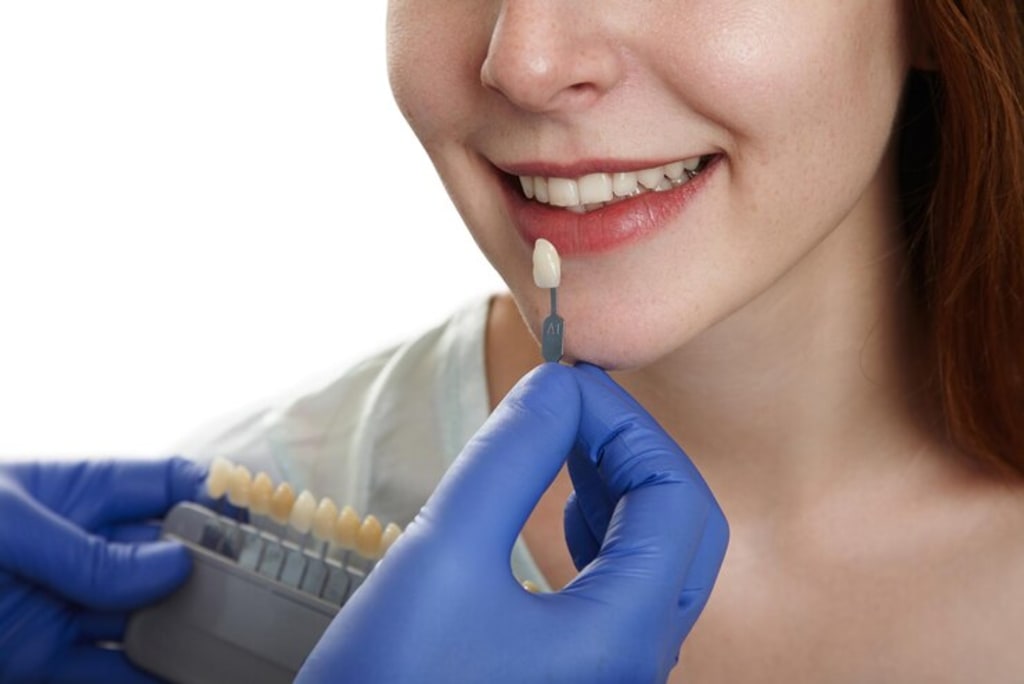
Dental crowns are often one of the most effective and reliable solutions when restoring a damaged or decayed tooth. Dental crowns El Paso are designed to cover and protect a tooth that has been compromised, helping to restore its function, strength, and appearance. Opting for a dental crown can offer many benefits if you have a tooth weakened by decay, cracks, or extensive wear.
Here are reasons why dental crowns are preferred for restoration.
1. Enhanced Protection and Durability
One of the primary reasons people opt for dental crowns is for the protection they provide. When a tooth becomes weakened due to decay or damage, it’s at a higher risk of breaking or further deteriorating. A dental crown acts as a cap that fits over the damaged tooth, providing a strong protective barrier. This prevents the tooth from becoming more damaged and helps preserve its structure.
Crowns are made from durable materials like porcelain, ceramic, metal, or a combination, making them resistant to cracks and fractures. Depending on the material chosen, a crown can offer long-lasting protection and function for years, making it an ideal solution for restoring teeth that need extra support.
2. Improved Functionality
Damaged teeth can make eating and speaking difficult, leading to further oral health complications over time. Dental crowns can restore the full functionality of a compromised tooth, enabling you to eat, chew, and speak with ease. With the protection and reinforcement that a crown provides, you won’t have to worry about discomfort or difficulty in daily activities like eating your favorite foods or speaking clearly.
Additionally, crowns are designed to mimic the natural shape and size of your tooth closely, so they help you maintain normal biting and chewing patterns, improving overall oral functionality.
3. Aesthetic Appeal
Dental crowns are not only functional but also aesthetically pleasing, making them an excellent choice for those concerned about their smile's appearance. When made from high-quality materials such as porcelain or ceramic, crowns can blend seamlessly with your natural teeth, providing a beautiful, natural-looking restoration.
This is particularly important for those who require a crown on a visible tooth, such as a front tooth. With a well-made porcelain crown, you won’t have to worry about an unnatural appearance or a noticeable dental restoration. The color and texture of modern crowns can be customized to match your existing teeth, helping you achieve a smile that looks and feels completely natural.
4. Long-Term Solution
While some dental treatments may require frequent maintenance or replacements, dental crowns are designed to last for many years. Depending on the chosen material, a well-maintained crown can last 5 to 15 years or more. This longevity makes dental crowns a wise investment for those looking for a long-term solution to tooth restoration.
Additionally, crowns are relatively low-maintenance. If you maintain good oral hygiene habits, such as brushing and flossing regularly, and attend your routine dental check-ups, your crown should remain in good condition for years. This makes crowns a reliable and practical choice for those looking for a durable, long-lasting restoration.
5. Minimally Invasive Treatment
Getting a dental crown is relatively straightforward and minimally invasive compared to other restoration options. In most cases, only a tiny amount of the damaged tooth needs to be removed to accommodate the crown. This helps to preserve as much of your natural tooth structure as possible.
The procedure typically involves two visits: one for preparing the tooth and taking impressions and another for placing the crown once it’s been custom-made. In some cases, crowns can be placed in a single visit using advanced technology like same-day crowns, eliminating the need for multiple appointments.
6. Prevents Further Damage
You can prevent the damage from spreading or worsening by placing a dental crown on a damaged tooth. For example, if a tooth is cracked or has a large cavity, the crown will prevent bacteria from entering the tooth and causing additional decay or infection. This helps protect the health of the surrounding teeth and tissues, reducing the risk of needing more extensive dental treatments in the future.
Conclusion
Dental crowns are versatile and practical for restoring damaged or decayed teeth. They provide protection, enhance functionality, and improve the appearance of your smile. With their durability and ability to prevent further damage, crowns are an excellent long-term investment for optimal oral health. If you’re considering tooth restoration options, consult your skilled dentist in El Paso to see if dental crowns are the right choice. With the proper care, they can provide lasting benefits for years to come, helping you achieve a healthier, more confident smile.
About the Creator
El Paso Family Dental
El Paso Family Dental is your premier destination for a top-rated dentist in El Paso. For more information, visit our website.
Enjoyed the story? Support the Creator.
Subscribe for free to receive all their stories in your feed.
Comments
There are no comments for this story
Be the first to respond and start the conversation.