
The Assumption of Mary: The Oldest Feast Day of Our Lady
Exploring the History, Faith, Tradition, and Spiritual Meaning Behind the August 15 Celebration of Mary’s Assumption into Heavenly Glory
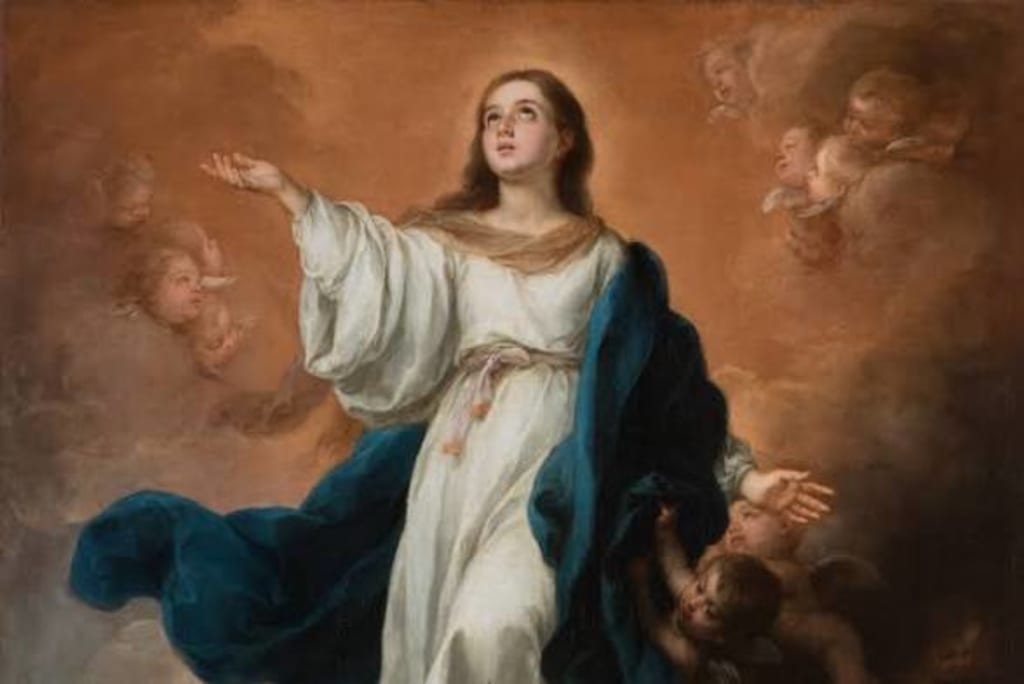
The Assumption of Mary is one of the most important celebrations in the Christian calendar, particularly within the Catholic Church and several Eastern Christian traditions. Observed each year on August 15, the feast commemorates the belief that Mary, the mother of Jesus Christ, was taken body and soul into heavenly glory at the end of her earthly life.
The celebration combines theology, history, devotion, art, and centuries of Christian tradition. For millions of believers around the world, the Assumption of Mary is not simply an annual religious event. It is a celebration of hope, resurrection, and the belief that human life ultimately has a place beyond death.
What Is the Assumption of Mary?
The word “Assumption” refers to the Christian belief that Mary was taken into heaven by God. Catholic teaching distinguishes the Assumption from the Ascension of Jesus. According to Christian theology, Jesus ascended into heaven by his own divine power, while Mary was assumed into heaven through God's grace.
The doctrine teaches that Mary was received into heavenly glory both physically and spiritually. The Catholic Church formally defined the Assumption as a dogma in 1950 under Pope Pius XII through the apostolic constitution Munificentissimus Deus.
The doctrine had, however, been part of Christian devotion and tradition for many centuries before its formal definition.
One of Christianity's Ancient Marian Feasts
The Assumption has a particularly long history. Early Christian communities developed traditions surrounding the end of Mary's earthly life, and celebrations connected with her departure eventually became established in the Christian calendar.
In the East, the feast became associated with the Dormition of the Theotokos, meaning the “falling asleep” of the Mother of God. The Western Church eventually developed the celebration known as the Assumption.
Although historians continue to study the origins and development of these traditions, there is broad agreement that the feast has ancient roots.
Over time, August 15 became one of the most significant dates associated with devotion to Mary.
Why August 15 Is Important
August 15 is now recognized as the principal feast day of the Assumption. In Catholic countries, it can also have cultural and public significance.
Churches often hold special Masses, prayer services, processions, and Marian celebrations. In some communities, statues or images of Mary are carried through streets as people gather to pray and celebrate.
The feast is also associated with local traditions that have developed over generations. Religious observances may be accompanied by music, flowers, family gatherings, community meals, and other cultural activities.
This combination of faith and community tradition has helped the Assumption remain an important part of Christian life.
The Biblical Connection
The Bible does not provide a direct narrative describing Mary's death or physical assumption into heaven. This is an important distinction when discussing the doctrine.
Catholic teaching about the Assumption is based on Sacred Tradition and the Church's theological interpretation, rather than on a specific biblical passage describing the event.
Catholic theologians connect the doctrine with broader Christian teachings about Mary's role as the mother of Christ and with the Christian hope of resurrection.
The Assumption is therefore understood within a larger theological framework rather than as an isolated biblical story.
Mary as a Symbol of Hope
One of the central meanings of the Assumption is hope. Christians believe that death is not the final destination of human existence.
Mary's glorification is understood as a sign pointing toward the future resurrection promised to believers. Her Assumption therefore connects Marian devotion with one of Christianity's central teachings: the hope of eternal life.
For many Catholics, Mary represents faith, humility, obedience, compassion, and devotion to God. Her Assumption is seen as the culmination of that life of faith.
The Feast in Catholic Tradition
On August 15, Catholic churches around the world celebrate the Assumption through the liturgy. Depending on local customs, the celebration can include solemn Masses, Marian hymns, processions, and special prayers.
The feast is also a holy day of obligation for Catholics in many circumstances, although specific obligations and exceptions can vary according to local church regulations and national calendars.
The celebration encourages believers to reflect not only on Mary but also on their own spiritual lives and the Christian promise of salvation.
The Assumption in Eastern Christianity
Eastern Christian traditions celebrate the Dormition of the Theotokos, which shares important themes with the Western doctrine of the Assumption.
The term “Dormition” means “falling asleep” and reflects the traditional understanding of Mary's death. Eastern Christian liturgy emphasizes Mary's death, burial, and entrance into heavenly glory.
The celebration has distinctive theological and liturgical traditions, but both Eastern and Western Christianity honor Mary as the mother of Jesus and celebrate her special place in Christian faith.
Mary in Art and Culture
The Assumption has inspired some of the world's most famous religious artworks. Renaissance and Baroque painters frequently depicted Mary being lifted toward heaven, surrounded by angels and heavenly light.
Artists such as Titian created influential representations of the Assumption that shaped European religious art.
Church architecture, sculpture, music, poetry, and literature have also been deeply influenced by Marian devotion. Across centuries, the Assumption became a subject through which artists explored themes of heaven, beauty, motherhood, faith, and divine glory.
Why the Feast Still Matters Today
Modern life is very different from the societies in which the Assumption feast developed, yet its central themes remain relevant to believers.
The celebration invites reflection on questions about mortality, hope, family, faith, suffering, and the meaning of human life.
For Christians, Mary provides an example of trust in God during uncertainty. Her story begins with the announcement of Jesus' birth and continues through the challenges of motherhood, suffering, and witnessing the death and resurrection of Christ.
The Assumption represents the final stage of that traditional spiritual journey.
Conclusion
The Assumption of Mary, celebrated on August 15, is one of Christianity's oldest and most significant Marian feasts. It commemorates the Catholic belief that Mary was taken body and soul into heavenly glory and presents her as a powerful symbol of Christian hope.
Although the Bible does not provide a direct account of the Assumption, the doctrine developed through centuries of Christian tradition and was formally defined as Catholic dogma in 1950.
Today, millions of Christians continue to mark the feast through worship, prayer, processions, art, and community traditions. Beyond its historical importance, the Assumption carries a timeless message: faith, hope, and the promise of eternal life remain at the heart of Christian belief.
About the Creator
Enjoyed the story? Support the Creator.
Subscribe for free to receive all their stories in your feed.
Comments
There are no comments for this story
Be the first to respond and start the conversation.