wellness
The state of being in great health, and continually striving to attain all of your goals.
How to Beat Stress and Anxiety in Just 10 Minutes a Day
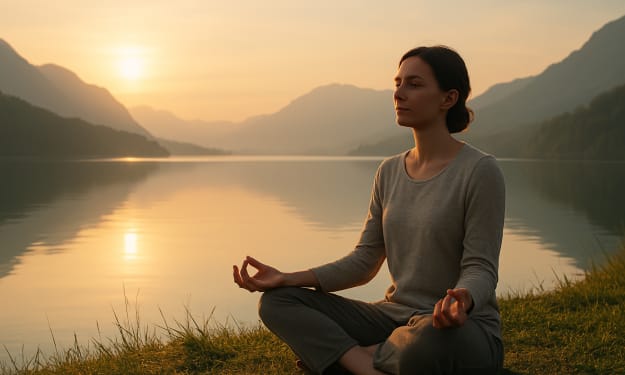
In today’s fast-paced world, stress and anxiety have become all too common. Whether it’s work pressures, personal struggles, or simply the demands of daily life, many people find themselves overwhelmed by stress on a regular basis. But what if you could combat these feelings in just 10 minutes a day? While there’s no quick fix for anxiety, incorporating short yet powerful practices into your routine can make a significant difference in how you manage stress. Here are some simple yet effective techniques to help you regain control and find inner peace in just 10 minutes a day. 1. Deep Breathing Exercises: Calm Your Nervous System One of the simplest ways to reduce stress and anxiety is through deep breathing. Stress activates the body's fight-or-flight response, causing an increase in heart rate and shallow breathing. By focusing on your breath, you can activate the parasympathetic nervous system, which helps to calm your body and mind. How to do it: Sit or lie down in a comfortable position. Close your eyes and take a deep breath in through your nose for a count of four. Hold your breath for a count of four. Slowly exhale through your mouth for a count of four. Repeat for 5–10 minutes, focusing on your breath and allowing any tension to melt away. This simple practice can quickly help you feel more grounded and relaxed, even on your busiest days. 2. Mindful Meditation: Clear Your Mind and Reset Meditation doesn’t require hours of practice to be effective. In fact, just 10 minutes of mindfulness can help reduce anxiety and improve your emotional well-being. By focusing on the present moment, you can break the cycle of negative thinking that fuels stress and anxiety. How to do it: Find a quiet space where you won’t be disturbed. Sit comfortably and close your eyes. Focus on your breath, the sensations in your body, or even a simple mantra (a word or phrase you repeat to yourself). Whenever your mind begins to wander, gently bring your focus back to your breath or mantra. Aim for 5-10 minutes of uninterrupted practice. This mindful practice can help you stay in the present moment, reducing the constant worry about the past or future that can contribute to anxiety. 3. Progressive Muscle Relaxation (PMR): Release Tension Stress often manifests physically in the body, especially in the form of tight muscles. Progressive Muscle Relaxation (PMR) is a technique that involves tensing and then relaxing different muscle groups to help reduce physical tension and promote relaxation. How to do it: Start by sitting or lying down in a comfortable position. Close your eyes and take a deep breath. Starting from your feet, tense each muscle group for 5–10 seconds, then relax them for 20 seconds. Move up through your body, tensing and relaxing each muscle group (legs, abdomen, arms, shoulders, neck, and face). Focus on the sensation of relaxation in each muscle group. This exercise helps you release the physical symptoms of stress and can provide immediate relief from tension. 4. Journaling: Release Your Thoughts Writing is a therapeutic way to release emotions and clear your mind. Journaling for just 10 minutes a day can help you process your thoughts and make sense of the worries that are causing stress. It allows you to reflect on what’s bothering you and offers a safe space to vent without judgment. How to do it: Set aside 10 minutes each day to write in a journal. Write about what’s on your mind, any sources of anxiety, or simply how you’re feeling in the moment. Don’t worry about grammar or structure—this is for your eyes only. If you’re unsure where to start, try writing prompts like “What’s causing me stress right now?” or “What am I grateful for today?” Journaling can help you process emotions, gain clarity, and reduce the overwhelming feeling of having too much on your mind. 5. Physical Movement: Get Your Body Moving Exercise is a well-known stress buster, and even just a few minutes of physical movement can help release built-up tension and improve your mood. You don’t need to hit the gym for hours—short bursts of activity can make a big difference. How to do it: Try quick exercises like jumping jacks, stretching, yoga poses, or a brisk walk. If you prefer something more relaxing, yoga or tai chi are excellent options for reducing stress and calming the mind. Focus on the movement, breathing deeply as you stretch and move. Even 10 minutes of movement can boost your mood and help you feel more energized and in control. 6. Aromatherapy: Soothe Your Senses Certain scents have been shown to reduce stress and promote relaxation. Essential oils like lavender, chamomile, and eucalyptus have calming properties that can help ease anxiety. How to do it: Use a diffuser to release calming scents into the air. Alternatively, add a few drops of essential oil to a cotton ball or a tissue and inhale deeply. You can also add a few drops of oil to your pillow or bathwater for added relaxation. Aromatherapy provides a sensory experience that can quickly calm your nerves and promote relaxation in just a few minutes. Conclusion: Your Path to Calm in Just 10 Minutes By dedicating just 10 minutes each day to stress-relieving techniques like deep breathing, mindfulness, or journaling, you can significantly reduce feelings of anxiety and regain a sense of control over your emotions. While these practices won’t eliminate stress entirely, they provide an effective way to manage it and improve your mental well-being. Give yourself the gift of 10 minutes of peace every day, and feel the benefits in both your mind and body.
By Gift Abotsi 2 years ago in Longevity
Echos In The Rain. AI-Generated.
The rain fell steadily, whispering secrets to the earth. A melody of remembrance danced in the air, punctuated by the soft patter against the cobblestones. James stood under the shelter of the ancient oak tree, watching the droplets weave rivulets down the cold stone surface of the grave before him. His hands trembled, clutching a withered bouquet of lilies—their frail petals a stark contrast to the vibrancy of his memories.
By Mike Archer (WereStrike)2 years ago in Longevity
Health vs. Work: A Bengaluru CEO’s ICU Wake-Up Call
In today’s fast-paced professional world, the debate between prioritizing work or health is never-ending. For Amit Mishra, a Bengaluru-based CEO, this debate became a life-changing reality after a sudden health crisis landed him in the ICU. His story serves as a stark reminder that no career goal is worth sacrificing your well-being. A Sudden Health Crisis: From Routine Work to ICU On a regular Saturday afternoon, Amit Mishra, founder and CEO of a tech company in Bengaluru, was working casually on his laptop. Without warning, he experienced a severe nosebleed. What started as a minor trickle quickly turned into a frightening scene—blood soaked through a thick cotton cloth and filled the washbasin. Mishra rushed to the hospital, where doctors struggled to stop the bleeding. The situation worsened when his blood pressure skyrocketed to 230/130, a dangerously high level. Shockingly, Mishra had no prior symptoms like headaches or dizziness. Doctors admitted him to the ICU immediately. The next morning, his blood pressure plummeted, causing him to faint. Despite extensive tests—ECGs, cholesterol checks, and even an angiography—the root cause of his blood pressure spikes remained unclear. All other results were normal, leaving doctors puzzled. Lessons from the ICU: Health Comes First After four days in the hospital, Mishra returned home with a new perspective. In a heartfelt LinkedIn post, he shared key lessons from his ordeal: 1.Your Body Doesn’t Always Warn You Mishra stressed that health emergencies can strike without obvious signs. Many assume symptoms like headaches or fatigue will signal a problem, but this isn’t always true. Regular check-ups are crucial to catch hidden issues early. 2.Never Ignore Minor Symptoms Even small signs—like occasional dizziness or unexplained tiredness—shouldn’t be brushed aside. Mishra admitted he’d overlooked minor discomforts while focusing on work. 3.Prepare for Emergencies Knowing basic first aid, having emergency contacts ready, and acting quickly during a crisis can save lives. Mishra credits his swift response and the hospital’s efficiency for preventing a worse outcome. 4.Health Is Non-Negotiable “Work is important, but health is non-negotiable,” Mishra wrote. He urged professionals to set boundaries, take breaks, and avoid glorifying overwork. Public Response: A Call for Lifestyle Changes Mishra’s post resonated deeply online. Thousands wished him a speedy recovery and praised his courage in sharing the story. Many professionals related to his experience, sparking discussions about work culture and health:
By Akrang Raja 2 years ago in Longevity
Sitting All Day? How to Combat a Sedentary Lifestyle with Simple Moves
Modern life moves fast, and sitting for hours on end has become a default habit for many—whether you’re an office worker, student, or freelancer. But your body isn’t shy about sending “warning signals” when it’s had enough, and back or waist discomfort is often the first sign. The good news? With smart, science-backed movement, you can breathe new life into your body and ditch those nagging aches.
By Anthony Davis2 years ago in Longevity
The Immunity Effect
"For the last two hundred and fifty years, we have ended the affliction of disease. From the perfection of the body to bring a greater life to all humans." Head scientist Jackson Staple spoke on the National Day of Infection Elimination. All the screens blared to remind us of the advancements many generations ago. No one alive has ever been sick or had to be fixed with antibiotics. The hospitals, pharmaceutical companies, and health organizations were all but obsolete except for the choice lead diseases such as addiction. This day was every year, but most just lived their lives ignoring it since they had never suffered from such an infliction despite the strict government rules that regulated every aspect of their lives.
By Sarah Danaher2 years ago in Longevity
The Problem With Most Of The Health And Wellness Industry
Yesterday, I wrote a Satirical Article for Finding Success as a part of April Fools Day. No, you should not take it seriously, though if you need something fun to lighten your day then you should give it a read.
By H.E. Dr. Cody Dakota Wooten, COIE, DFM, DHM2 years ago in Longevity
Measles Outbreak Spreads: Tennessee Reports 4 Cases Amid National Rise
The Tennessee Department of Health confirmed three new measles cases this week, raising the state’s total to four. This comes as part of a larger national outbreak, with the Centers for Disease Control and Prevention (CDC) reporting 483 cases across 20 states and cities. Here’s what you need to know about the growing health concern. Measles Cases Rise in Tennessee On March 21, Tennessee reported its first measles case of 2025. By March 27, three additional cases were confirmed. Health officials revealed one of the new cases is linked to the original patient, but details about exposure locations or affected individuals remain undisclosed. All four patients are recovering at home, and health teams are working to identify others who may have been exposed. The Metro Public Health Department (MPHD) in Nashville faced setbacks in vaccination efforts after losing federal funding for its Strike Team, which organizes vaccine clinics in underserved communities. While clinics were temporarily canceled, officials confirmed they are working to reschedule them. Mayor Freddie O’Connell urged residents to get vaccinated, stating, “There’s only one good way to protect yourself and your community: to get vaccinated.” National Measles Outbreak Overview The CDC’s latest report highlights measles outbreaks in 20 jurisdictions, including Tennessee. Texas leads with 422 cases, including 42 hospitalizations and one child death. Nationwide, two fatalities have been linked to measles in 2025. States like Florida, California, New York, and Ohio are also seeing rising cases. Measles spreads quickly, especially in communities with low vaccination rates. The CDC warns that even small pockets of unvaccinated individuals can fuel outbreaks. Impact on Public Health Efforts The loss of federal funding in Nashville disrupted plans for MMR (measles, mumps, rubella) vaccine clinics. Dr. Joanna Shaw-KaiKai, MPHD’s Medical Services Director, called the situation a “public health issue,” stressing that unvaccinated individuals risk spreading preventable diseases. Tennessee’s vaccination rate for measles hovers around 93% for kindergarteners, below the 95% threshold needed for herd immunity. Health departments statewide are urging families to check vaccination records and schedule appointments if needed. Understanding Measles: Symptoms and Risks Measles is a highly contagious virus spread through coughing, sneezing, or contact with contaminated surfaces. Symptoms appear 7–14 days after exposure and include:
By Akrang Raja 2 years ago in Longevity
Experience Top-Tier Service at the Best Medical Shop in Panchkula . AI-Generated.
When you’re looking for a reliable source for medications, health supplements, and medical supplies, finding the best medical shop near me in Panchkula can be a game-changer for your wellness. Having a trusted Medical Shop in Panchkula by your side ensures that you have quick access to the healthcare products you need, whether it's prescription medication, over-the-counter drugs, or specialized medical equipment. With so many options out there, it’s essential to choose a medical shop that offers not only a wide range of products but also exceptional service that prioritizes your health and convenience.
By ANIL CHEMISTS2 years ago in Longevity
Beat the Burnout: How to Overcome Sub-Health and Insomnia for a Happier You
In the fast-paced modern world, many of us find ourselves dealing with the challenges of sub-health and insomnia. The constant stress of work and daily life can take a toll on both our physical and mental well-being. But don't worry! By making some simple changes to our lifestyle, cultivating a positive mindset, and improving our sleep quality, we can start to feel better and reclaim our energy.
By Anthony Davis2 years ago in Longevity