self care
For a healthy mind, body, and soul.
How to Choose the Right Weight Loss Center for Your Goals. Content Warning. AI-Generated.
1. Area Comfort: Pick a weight reduction focus that is effectively open to you. It very well may be near your home or work environment. Think about the expense of transportation (like gas or public vehicle) while picking an area. A middle that is excessively far away could become badly designed over the long run.
By kalu ram meena2 years ago in Longevity
Is Eating More Protein the Key to Better Health. AI-Generated.
Protein has become a buzzword in the world of health and fitness, with its role in building muscle and aiding weight loss widely celebrated. But is more protein always better? The answer depends on your lifestyle, age, and health goals. Let’s dive into why protein is essential, how much you need, and whether you should be eating more of it.
By Mike Savage New Canaan2 years ago in Longevity
A Balancing Act: Essential Nutrients for Hormone Health
Hormones are poorly understood, but everyone is talking about them. The number of times I have heard references to “hormones” when describing body symptoms but limited explanation as to why they would be involved… there’s a phrase about having a nickel or a dime for every time, I think.
By Emily the Period RD2 years ago in Longevity
The Truth About Post-Holiday Weight Gain: How to Shed Pounds and Keep Them Off
Disclaimer: This article was generated with the assistance of AI and includes an affiliate link. If you decide to make a purchase through the link, I may earn a commission at no extra cost to you.
By Charles Funk2 years ago in Longevity
How Micro-Learning Apps Help You Read More in Less Time
Let's face it: in a world full of notifications, emails, and an ever-growing to-do list, reading can sometimes feel like a luxury we don't have time for. Between work, family, social obligations, and squeezing in some downtime, it seems like there's always something else demanding our attention. But what if I told you there was a way to read more - and faster - without sacrificing your precious time? Enter micro-learning apps.
By Future of Resilience 2 years ago in Longevity
How Daily Journaling Can Transform Your Life and Personal Development
Life can feel like a whirlwind sometimes, right? One minute you're sipping coffee and thinking about all the big dreams you have for your future, and the next you're knee-deep in laundry, emails, and the stress of just trying to remember what time your dentist appointment is. It's easy to lose track of the little things - like, say, your own mental well-being.
By Future of Resilience 2 years ago in Longevity
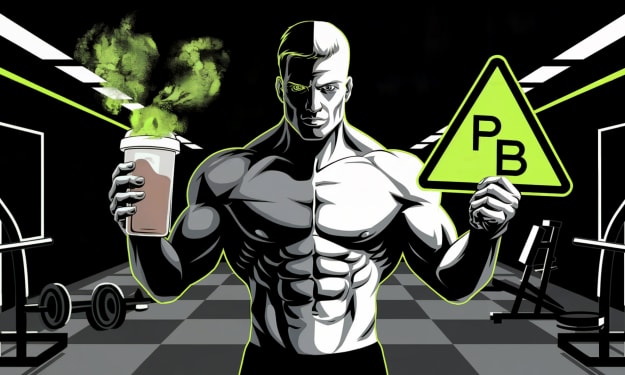
Protein Powders: Building Muscles or Accumulating Heavy Metals?
In a world that is chasing physical perfection, protein powders have become the “magic meal” that everyone relies on, from professional athletes to amateurs who dream of prominent muscles. But, as the saying goes: “Not all that glitters is gold,” a new report has revealed that nearly half of the protein powders we buy may contain more heavy metals than we deserve. Yes, you heard right! Maybe we are not just buying protein; we are also buying a free ticket to the world of “heavy metals”!
By Pedro Wilson2 years ago in Longevity
Addressing the Stigma:Personal Accounts of Depression
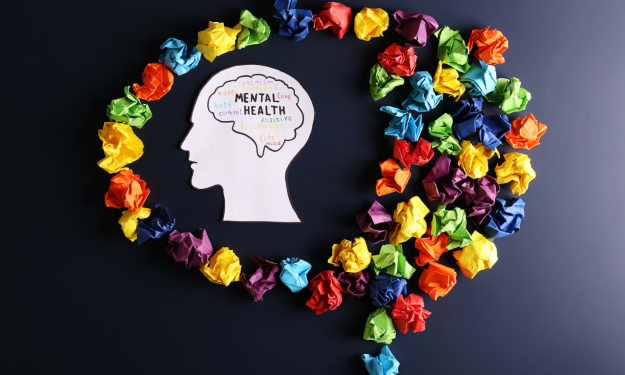
Addressing the Stigma:Personal Accounts of Depression Introduction: Breaking Down Myths About Mental Health Depression is a lot more than a sad feeling. It is a severe mental health disorder that impacts millions of people worldwide, including a substantial population in India. While common, stigma and myths frequently inhibit people from getting assistance. Join us as we share personal stories of resilience, highlight actionable strategies to combat stigma, and provide a roadmap for supporting individuals experiencing depression. This guide aims to promote understanding and compassion, and also strives to provide practical steps for action through detailed insights and relatable narratives. What You Should Know About Depression: Life Isn’t Always a Mood What Is Depression? Depression is defined as a mental health disorder where one suffers from major mood disturbances that last long, for example, sadness, loss of interest in things that were once loved or enjoyed, and physical symptoms like tiredness, and changes in cravings. It can strike anyone, regardless of age, gender, or social status, its impact exacerbated by societal attitudes. Common Misconceptions: Myth: Depression is sadness only. Fact: Depression is a clinical condition with degrees of emotional, physical and cognitive symptoms. It usually needs professional intervention. Myth: Depression only happens to weak people. Fact: Strong, capable, successful people can be depressed. And those who are seemingly successful can be an internal mess.” Myth: You can get rid of depression with positive thinking. Fact: Optimism can be helpful, but generally managing depression requires therapy, medication or a combination of therapies tailored to the individual. Individual Paths: Narratives of Perseverance Ramesh’s Journey: A Farmer of HopeRamesh is a schoolteacher from a small village in Tamil Nadu who silently struggled with depression. His community lacked mental health resources and he had feared the stigma of asking for help. Finally, with support from a local NGO, he had access to counseling services and began his road to recovery. Now, Ramesh stands as a psychological counselor in his village, urging people to understand the importance of seeking help. His story shows how grass-roots movements can change communities. Priya’s Urban ExperienceIn crowded Mumbai, Priya, a young marketing professional, felt an overwhelming feeling of isolation despite always being surrounded by people. She spoke to a trusted friend, sought therapy and joined a support group. Priya’s journey is a testament to the power of peer support and to the increasing normalization of seeking mental health care in urban contexts. Her proactive steps show how asking for help can lead you to healing and empowerment. Sameer’s Struggle: A Clash of Societal ExpectationsSameer, a well-earning software engineer based in Bengaluru, was constantly bombarded with societal and familial pressures. He used to struggle with depression from the continuous pressure for perfection. Therapy and mindfulness practices helped him find balance. Sameer uses his platform to speak about mental health, breaking the stigma of men being vulnerable. Answers to break down the stigma acerca of mental illness atá Learn and Share KnowledgeThe key to breaking stigmas is understanding depression and the effects it has. Use social media, community discussions or workshops to share verified information. Check trusted sources (WHO or India’s Ministry of Health) for the right data. Make Space for Open ConversationsProvide safe spaces where people can talk about mental health without fear of being judged. For instance, start mental health awareness campaigns in schools, workplaces, or religious organizations. Foster open conversations that reduce stigma around asking for help Advocate for Accessibility Advocate for affordable and accessible mental health care services in underserved areas. Back initiatives like India’s National Mental Health Program (NMHP) and advocate for mental health initiatives to receive better funding. Celebrate Success Stories Focus on stories of people going through depression. Their journeys may also inspire others to seek help and offer hope that recovery is achievable. Normalize Help-Seeking Behavior Focus on the importance of therapy and counseling as tools of self-care, rather than indications of weakness. Write some testimonials from people who have benefited from getting professional help. Depression Support Systems: Helping Someone You Love Recognize the Signs Persistent sadness Pulled away from social things Changes in sleep patterns Lack of energy or Offer Support Listen without judgment. Allay the fears and acknowledge their feelings. Encourage them to get professional help, and stress that it’s a sign of strength. Don’t Use Harmful PhrasesStatements like “Just snap out of it” or “Think positive” can diminish and cause pain. Offer validation and empathy instead. Be PatientRecovery is not instant. Be there for them throughout their journey, even on the rough days. Recognise small wins to motivate progress to continue. Participate in Joint ActivitiesDo things that are fun or relaxing together, such as going for walks, engaging in hobbies or meditating. Government and Society as Two-Natured Consumers Community InitiativesGrassroots initiatives such as social awareness drives in rural areas play a critical role. The MINDS Foundation and other organizations engage to provide mental health related education and services in India. Partnering with local leaders can maximize their effectiveness. Policy InterventionsPolicies such as India’s Mental Healthcare Act 2017 seek to provide people the right to cost-effective mental health treatment. Raising awareness about these rights and holding powerful people accountable for implementing them is critical to systemic change. Wellness Programs in the WorkplaceWhen there are mental health resources available in the workplace (e.g., Employee Assistance Programs (EAPs), mental health workshops), the reduction of stigma and improved productivity is significant. Harnessing TechnologyTelemedicine and mental health apps have brought therapy to more people. Increasing usage of platforms such as Wysa or YourDOST can also cover the gaps in mental health care. Actionable Steps for Readers Learn and ShareLearn about depression and share resources with friends and family. Knowledge is the first step toward dismantling stigma. Contact UsIf you or someone you know is in distress, do not hesitate to seek help. In India, you can reach out to iCall, AASRA, and Snehi for confidential support. Get InvolvedSign up for mental health campaigns, webinars or community discussion to help promote awareness. Leverage social media to magnify trusted messages. Practice Self-CareTaking care of your mental health is equally important to your physical health. Either add practices such as meditation, journaling, or daily exercise into your routine. Volunteer or DonateDonate to mental health organizations or volunteer your time to help raise awareness.
By Kalpesh Vasava2 years ago in Longevity
10 Simple Wellness Hacks That Changed My Life
10 Simple Wellness Hacks That Changed My Life We all know how it feels: overwhelmed, burnt out. In our frantic lives, it is easy to become drained, even by the rush, the to-do lists that never end, and the pressure to perform. The good news? Small changes can lead to big improvements in overall well-being. Here are 10 simple wellness hacks that changed my life and can change yours too. Sleep Hygiene for Optimal Performance Sleep is important to health. Research indicates that more than one-third of adults are sleep deprived, which contributes to severe health conditions such as obesity, heart disease, and diabetes. Sleep hygiene can be enhanced to increase concentration, good mood, and energy. Bedtime Routine for Relaxation: Spend 30 minutes unwinding with relaxing activities such as reading or gentle stretching. Optimise Your Bedroom Environment: Ensure that your bedroom is dark, quiet, and cool to promote restful sleep. After implementing these changes, my concentration improved and I felt more energetic during the day. Mindful Movement: Incorporate Exercise into Your Everyday Life Exercise has a dual benefit for both mental and physical health. A study shows that 150 minutes of moderate exercise per week lowers the risk of chronic diseases. Find Things You Like to Do: Try various forms of movement, such as yoga, walking, or dancing. Do It During the Day: Use breaks to stretch or take a short walk. Taking a daily walk not only improved my mood but also helped me cope with stress better. Healthy Eating A healthy diet is essential for well-being. Nutrient-rich foods nourish your body and mind. Easy Changes in Diet: •Eat more fruits and vegetables. •Reduce processed food. Adapting a healthier diet helped me to some extent change my energy levels and digestion. Mindfulness and Stress Management Chronic stress is unhealthy. The management of stress in your life goes a long way in securing your well-being. Mindfulness Exercises •Try deep-breathing exercises •Practice meditation for at least five minutes. My experience with meditation allowed me to calm my anxiety and reduce stress levels by a ton. Hydration is crucial. Water is a facilitator for numerous bodily processes, including digestion and temperature regulation. Practical Hydration Strategies: •Carry a water bottle and refill it all day. •Remind yourself to drink water often. According to Dr. John Doe, a nutritionist, "Staying hydrated is basic for your health and well-being." Unplugging for Better Mental Clarity Technology overload can negatively affect mental health. Screens can distract us and lead to less sleep and focus. Strategies for Digital Detox: •Set screen time limits on devices. •Allocate tech-free hours in your day. After reducing my screen time, my sleep improved, and I could concentrate better on daily tasks. Prioritizing Self-Care and Relaxation Self-care is vital for maintaining mental and emotional health. Without it, you may feel drained or burnt out. Practical Self-Care Strategies: •Soaking in warm baths to unwind •Reading or exploring nature Taking care of my self helped enhance my mental and emotional well-being significantly. Relationships for Wellness Good relations with people do play a fundamental role in health. Good relationships contribute a lot towards quality life. Nurturing Relationships I make sure that I keep on contacting my friends and family frequently. I have joined clubs and activities to connect with new people. I tried to focus more on my relationship and found my sense of belonging more. Gratitude and Positive Thinking Practicing gratitude can affect mental health very profoundly. A study reveals that thanking can be beneficial for the mood and emotional well-being. Positive Thinking Development Maintain a gratitude journal. Write down three things you are thankful for every day. Maintain a circle of positive people. Psychologist Dr. Jane Smith says, "Gratitude can bring about a positive shift in our mentality. These 10 wellness hacks have transformed my life. Sleep comes first, then movement, nutrition, stress management, hydration, unplug, self-care, nurturing relationships, and gratitude: all small actions that can create lasting change. Implement one of these strategies today. Share your experiences and watch your journey to wellness begin.
By Bella berren2 years ago in Longevity