self care
For a healthy mind, body, and soul.
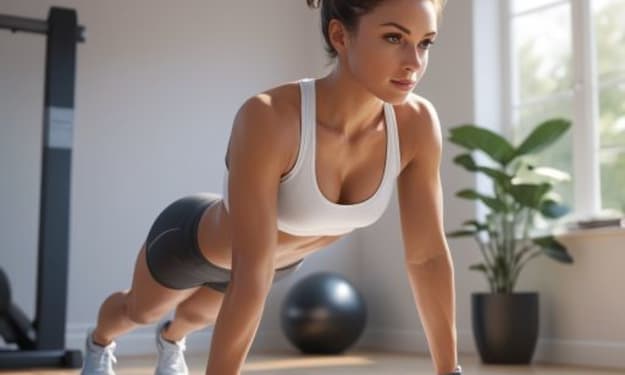
5 Simple Exercises to Stay Fit Without Going to the Gym
Staying fit doesn’t mean you have to spend hours at the gym. With the right exercises, you can build strength, improve endurance, and stay healthy—all from the comfort of your home or any open space. Whether you're short on time, prefer working out alone, or just don’t enjoy the gym environment, these five simple exercises will help you stay in shape without needing expensive equipment.
By Muhammad Asifabout a year ago in Longevity
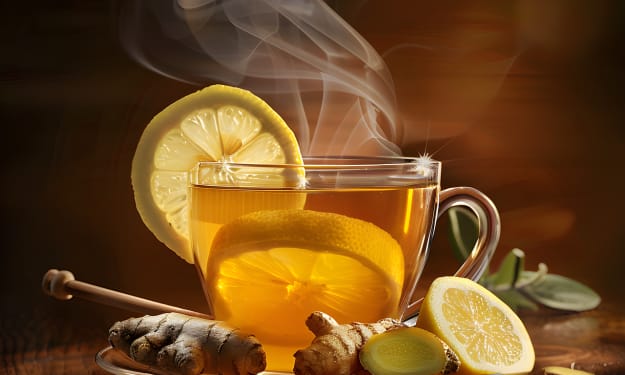
World Health Day 2025: Boost Your Morning With These 10 Healthy Drinks
Every year on April 7, the world celebrates World Health Day to honor the founding of the World Health Organization (WHO) in 1948. This day reminds us to focus on global health challenges and adopt habits that improve our well-being. As we approach World Health Day 2025, let’s explore a simple yet powerful way to enhance your health—starting your day with the right drink. The first beverage you consume after waking up can set the tone for your entire day. It hydrates your body, kickstarts metabolism, flushes toxins, and supports digestion or immunity. Below are ten easy-to-make drinks to help you feel your best every morning. Why Your Morning Drink Matters After hours of sleep, your body is naturally dehydrated. The first drink you reach for in the morning replenishes lost fluids and prepares your system for the day. A well-chosen beverage can:
By Akrang Raja about a year ago in Longevity
Spirituality and the Divine: The Crown Chakra
We often associate the number seven with God or divinity. We think of it as connecting or relating to the otherworldly, higher levels of consciousness, and a way of really seeing things in this bigger, cosmic way. It can even help us think about dimensions, and how we reach other dimensions in this life.
By Slgtlyscatt3redabout a year ago in Longevity
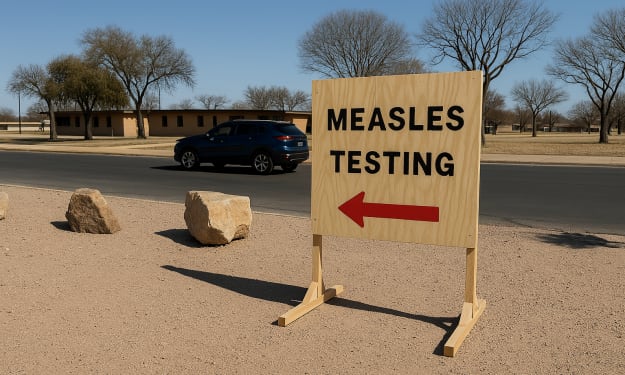
Measles Outbreak in Texas: Second Child Dies as Cases Surge
A second child has tragically died in Texas amid a rapidly growing measles outbreak, highlighting the dangers of declining vaccination rates. With nearly 500 cases reported statewide, health officials warn the highly contagious virus is spreading through undervaccinated communities. This article breaks down the latest developments, the impact of vaccine misinformation, and steps to protect families. Two Child Deaths Highlight Crisis An eight-year-old girl in Lubbock, Texas, died last week from “measles pulmonary failure,” marking the state’s second fatal pediatric case in recent months. The U.S. Department of Health confirmed the death but noted the exact cause remains under investigation. Earlier in February, a six-year-old unvaccinated girl in the same city also succumbed to the virus. Both cases underscore measles’ potential severity, even as vaccines offer near-complete protection. Outbreak Spreads Across Multiple States Measles, declared eliminated in the U.S. in 2000, has resurged in 2024. Texas and New Mexico are among five states battling active outbreaks (defined as three or more cases), alongside Kansas, Ohio, and Oklahoma. Nationally, cases have soared past 600 this year—more than double 2023’s total. Texas alone reports 481 infections across 19 counties, with 59 new cases added in just three days last week. Hospitalizations have also risen, with 56 patients requiring care since the outbreak began. Gaines County: Ground Zero for Texas Cases Over 65% of Texas’ measles cases are concentrated in Gaines County, home to 23,000 residents. The virus spread rapidly within a tight-knit Mennonite community with low vaccination rates. Since late January, 315 cases have emerged here—over 1% of the county’s population. Health workers stress that close living conditions and vaccine hesitancy fueled the outbreak. How Measles Spreads and Why It’s Dangerous Measles is a airborne virus transmitted through coughs, sneezes, or even breathing. It can linger in the air for two hours, making it one of the most contagious diseases. Symptoms include:
By Akrang Raja about a year ago in Longevity
Peppermint Oil: The Staple You Didn’t Know You Needed
Peppermint Oil: The Tiny Bottle with Endless Potential Peppermint essential oil is one of those small yet mighty staples that belongs in every home. Affordable, accessible, and incredibly versatile, this cool and invigorating oil has earned its reputation as a go-to remedy for countless everyday needs. Whether you’re using it to soothe a headache, freshen your breath, or add a burst of freshness to your home, peppermint oil consistently delivers powerful results with just a drop or two.
By Annie Edwards about a year ago in Longevity
Eat to Live: 10 Superfoods That Help You Stay Young, Strong, and Thriving
What if the secret to a longer life wasn’t in a pill or a high-end supplement—but sitting quietly in your kitchen? In a world overflowing with fast food, sugary treats, and ultra-processed meals, nature still offers us powerful foods that do more than just fill us up. These are superfoods—nutrient-rich, disease-fighting, energy-boosting gifts from the earth that fuel not just the body, but the mind and soul.
By Millicent Chisomabout a year ago in Longevity
How to Identify a Stroke: This Knowledge Could Save a Life.
It happened at a fancy dinner party. A very well dressed woman stumbled and fell to the floor and everyone was freaking out at her, but she quickly got up and smiled as she brushed it off, " The new heels got caught on the tiles ". Someone told her to call an ambulance, but she refused! She looked very calm, even went back to her plate and put some food on it, and stayed at the party the rest of the evening. But there was something off. She was a little shaky, not her usual self. The next day around noon her husband called to say she was in the hospital, and that by 6pm that day the devastation was over -- she had died. Later on doctors realized she had a stroke right at the time of the incident. If somebody around her had known how to look for these symptoms of a stroke she might be here today. But it isn't the only story here. Every year millions of people all over the world have a stroke, many of which are fatal or permanently crippling. What's sad, is that those are "mistakes" that can be prevented if only people around the victim knew the warning signs and got on the act right away. What Is a Stroke? A stroke occurs when the blood supply to part of the brain is interrupted or reduced, preventing brain tissue from getting oxygen and nutrients. Within minutes, brain cells begin to die. There are two main types: Ischemic stroke: Caused by a blocked artery (most common). Hemorrhagic stroke: Caused by a leaking or burst blood vessel. Stroke are medical emergencies; early intervention can minimize brain damage and save lives. The Critical 3-Hour Window If the patient is treated within 3 hours of receiving the stroke, there is a far greater chance of recovery and survival, doctors say, but "to be effective you need to be aware of the stroke immediately". Here’s where public awareness becomes vital. What Happens After A Stroke: The ‘S – T – R’ Test It can also be almost as simple as asking the person to do 3 simple things: S – T – R. It 's called the S – T – R test. S – Smile: I suggest asking him to smile, and if one side of his face drops off or doesn't move evenly then that 's a red flag. T – Talk: Just ask them to say something simple like " today is a beautiful day " Slurred or garbled speech is often a sign of a stroke. R – Raise both arms: Ask them to lift both arms at the same time. If one arm falls back or cannot be raised it 's another red flag. Bonus Test: The Tongue Check Make the person stick their tongue out, if it is crooked or one side of the tongue leans in you 'll know for sure. Other Common Symptoms Include: - sudden numbness or weakness in particular on one side of the body Sudden confusion or trouble understanding speech Sudden difficulty seeing in one or both eyes Loss of balance, coordination, or sudden dizziness Severe headache with no known cause What To Do If You Suspect a Stroke 1. Call emergency services immediately (e.g., 911). Never wait to "see if it gets better." 2. Note the time when symptoms first appeared. This helps doctors decide on the best treatment. 3. Keep the person calm and still. Don’t let them eat, drink, or move unnecessarily. 4. Tell all responders any relevant medical history including diabetes, blood pressure, medications, etc. Why This Matters They're lost so many lives just because there were people around who didn't notice what was happening. A stroke is not always so gruesome. Sometimes as in the story above it 's actually rather subtle - as in a stumble, a slurred word or general tiredness. Those little signs are the brain just screaming for help. Knowing the cause and seeing it quickly can save your life / death or have permanent disability. --- Final Thoughts It 's probably the most simple information out there. But as soon as you understand these signs of possible signs of suicide, you can help save a life - perhaps that of someone you love. So don't keep this information to yourself. Share it with your family, friends, co - workers, and community. Encourage them to learn the S – T – R method! You never know when you 'll be the only person who recognizes what is going on. Be aware. Be ready. Be a lifesaver.
By Rakibul Islamabout a year ago in Longevity
Why Hygge Is the Art of True Living
What if the secret to happiness wasn’t in having more, but in enjoying less—deeply, quietly, and with intention? Hygge (pronounced “hoo-gah”) is a Danish concept that captures exactly that. It’s not a product, a trend, or something you buy. It’s a way of being. It’s warm light in winter, meaningful conversations over tea, the soft silence of a snowfall. Rooted in simplicity and presence, hygge is a lifestyle and a philosophy that invites you to slow down, savor comfort, and find peace in the everyday.
By Bubble Chill Media about a year ago in Longevity
A 10-second kiss can pass on 80 million bacteria.. AI-Generated.
Germ-Sharing Truth Did you know a simple kiss can share a whole lot more than just affection? We are talking about 80 million bacteria that can transfer in just 10 seconds. That's a mouthful! A study brought this surprising fact to light, showing just how much we exchange when we lock lips. This article will explore the types of bacteria involved, the potential health impacts (good and bad), and how to kiss safely. Ready to dive into the world of the kissing microbiome? The Kissing Microbiome: What's Really Being Exchanged? When you kiss someone, you're not just swapping spit. You're also swapping a complex mix of bacteria. This includes the good, the bad, and the neutral. Saliva plays a big role in this transfer. It acts like a delivery system for these tiny organisms. What Kind of Bacteria Are We Talking About? The bacteria in your mouth are very diverse. Some common types include Streptococcus, which can contribute to tooth decay. Staphylococcus is another one that sometimes causes infections. Also, some beneficial bacteria aid digestion and keep your mouth healthy. It’s a whole community in there. Oral Microbiome Basics Think of your mouth as its own little ecosystem. This is your oral microbiome. It’s made up of all the bacteria, fungi, and viruses that live there. A healthy microbiome helps keep bad bacteria in check. Kissing can disrupt this balance, even if temporarily. The Role of Saliva Saliva is more than just spit. It helps break down food, neutralizes acids, and protects your teeth. It also contains antibacterial compounds that fight off harmful germs. When you kiss, saliva helps transfer bacteria from one person to another. It is a pretty important bodily fluid! The Good, The Bad, and The Unknown: Health Implications Swapping spit isn’t always a bad thing. Sometimes it can boost your immune system. Other times, it can lead to unwanted infections. What's the real deal? Potential Benefits of Bacterial Exchange Believe it or not, sharing bacteria may have some perks. Some scientists believe that exposure to new bacteria can strengthen your immune system. It’s like a natural vaccine. Plus, some bacteria might actually improve your oral health. Potential Risks of Bacterial Exchange On the flip side, kissing can spread harmful germs. Think about viruses that cause colds, the flu, or even herpes. Bacteria that cause infections can also hitch a ride during a kiss. It's worth being mindful. Oral Health Impact Sharing saliva can impact your teeth and gums. Harmful bacteria can lead to tooth decay and gum disease. If your partner has poor oral hygiene, you are more at risk. It’s something to consider. Beyond the Bacteria: Other Factors at Play It's not just about the bacteria. Kissing style, duration, and hygiene all play a role. Let's look closer at those different variables. Kissing Style A quick peck on the cheek transfers way less bacteria than a full-on French kiss. A French kiss involves more saliva and tongue contact. That means more bacteria are likely to be swapped. Duration and Frequency A longer kiss means more bacteria are exchanged. Frequent kissing with the same person leads to a more shared microbiome. Your mouths kind of get used to each other. Hygiene and Oral Health Good oral hygiene is key. Brushing and flossing reduce the amount of harmful bacteria in your mouth. This lowers the risk of spreading them to your partner. Minimizing the Risks: Kissing Safely Want to keep kissing fun without the risks? Here are a few ways to reduce the spread of harmful germs. Maintaining Good Oral Hygiene Brush your teeth twice a day. Floss daily too. Use an antibacterial mouthwash. These habits keep your mouth clean and healthy. Choosing Your Kissing Partners Wisely Knowing your partner's health status is important. Be open about any potential risks. If someone is sick, maybe skip the kissing for a while. Recognizing and Avoiding Kissing When Sick If you are feeling under the weather, avoid kissing. This will prevent the spread of illness. Nobody wants to catch a cold from a kiss. Kissing Around the World: Cultural Considerations Kissing isn’t the same everywhere. Different cultures have different customs and attitudes toward hygiene. It's a fascinating topic! Cultural Differences in Kissing Habits In some cultures, kissing is a common greeting. In others, it's reserved for intimate relationships. Some cultures may kiss on the cheek, while others don't kiss at all. Hygiene Practices and Cultural Norms Cultural norms around hygiene can affect germ transmission. Some cultures prioritize oral hygiene more than others. This influences the types and amount of bacteria shared during a kiss. Conclusion So, that 10-second kiss really does share a lot of bacteria. It can be beneficial or risky. It is all about balance. Focus on good oral hygiene, be aware of your health, and be mindful of those around you. Keep brushing and flossing!
By Story silver book about a year ago in Longevity
Smart Eating: Understanding Reverse Dieting
Reverse dieting has become a buzzword in the fitness and nutrition world, but what exactly does it mean? For many people who have been through a strict dieting phase, especially those focused on weight loss or body recomposition, the idea of increasing calories might seem counterproductive. However, reverse dieting is a strategic way to reintroduce calories gradually while supporting metabolism, energy, and long-term health.
By Lucy watsonabout a year ago in Longevity
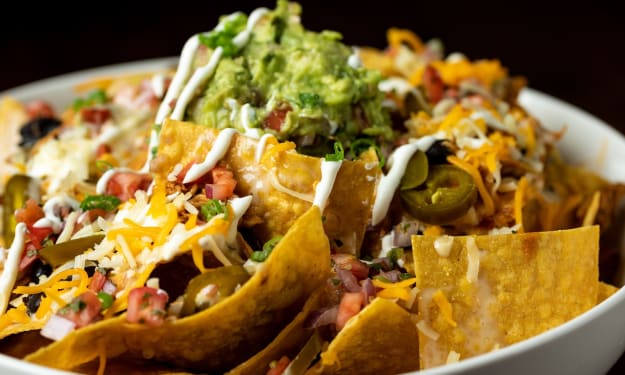
Tostitos Tortilla Chips Recall: FDA Issues High-Risk Alert Over Undeclared Milk Allergen
A recent recall of Tostitos Cantina Traditional Yellow Corn Tortilla Chips has prompted urgent warnings from both Frito-Lay and the U.S. Food and Drug Administration (FDA). The recall, now labeled a Class I risk—the FDA’s most severe classification—highlights potential dangers for consumers with milk allergies. Here’s what you need to know to stay safe. Why the Recall Happened Frito-Lay announced a voluntary recall of approximately 1,300 bags of its 13-ounce Tostitos Cantina Traditional Yellow Corn Tortilla Chips on March 26, 2024. The action was taken after the company discovered some packages might accidentally contain nacho cheese-flavored chips. These flavored chips contain milk, an ingredient not listed on the original product’s label. Milk is classified as a major food allergen under U.S. law, requiring clear labeling to protect consumers. For those with milk allergies, even trace amounts can trigger severe reactions. The FDA’s Class I designation means there’s a “reasonable probability” the product could cause serious harm or death if consumed by allergic individuals. States Affected by the Recall The recalled chips were distributed to 13 states:
By Akrang Raja about a year ago in Longevity