science
The science of staying young, healthy, and in-shape.
What Happens to Your Body When You Eat Too Much Protein
What Happens to Your Body When You Eat Too Much Protein Protein is an essential macronutrient that plays a vital role in building and repairing tissues producing enzymes and hormones and supporting overall growth and development. It's especially important for athletes bodybuilders and people looking to lose weight or build muscle. But as with anything in life too much of a good thing can have downsides. Consuming excessive protein particularly over a long period can lead to several unintended consequences for your body.
By Adnan Rasheed2 years ago in Longevity
Chia Seed Water for Belly Fat: Does This Viral Drink Actually Work?
In the ever-evolving world of weight loss trends, one simple drink has taken the spotlight: chia seed water. Touted as a belly fat buster and a natural way to boost digestion and satiety, chia seed water has become a morning ritual for many health enthusiasts. But does it really help with fat loss—especially around the belly area? Let’s explore the science behind this trending superfood and how to use it effectively for weight management. What Is Chia Seed Water? Chia seed water is exactly what it sounds like: a tablespoon of chia seeds soaked in a glass of water for 15–20 minutes until they swell and form a gel-like consistency. During this time, the seeds absorb up to 10 times their weight in water. Once hydrated, they create a viscous, fibrous mixture that’s easy to consume and packs numerous health benefits. But what makes chia seeds such a potent part of a weight loss regimen? 1. High Fiber Content Keeps You Full Longer One of the biggest benefits of chia seeds is their high fiber content. Just two tablespoons contain about 10 grams of dietary fiber—almost 40% of your recommended daily intake. When soaked in water, the soluble fiber in chia seeds forms a gel in the stomach. This slows down digestion and makes you feel fuller for longer periods, reducing the urge to snack between meals or overeat at your next one. The feeling of satiety that chia seeds provide can lead to an overall reduction in calorie intake, which is essential for weight loss, especially when targeting stubborn belly fat. 2. A Natural Plant-Based Protein Source Chia seeds aren’t just about fiber—they also contain an impressive amount of plant-based protein. This macronutrient is essential for maintaining muscle mass, especially when you're trying to lose weight. Muscle burns more calories at rest than fat, which means that preserving lean muscle helps boost your resting metabolic rate. Adding chia seed water to your morning routine can help give your body a protein kick while keeping calories in check. 3. Rich in Omega-3 Fatty Acids Most people associate omega-3 fatty acids with fish oil, but chia seeds are one of the best plant-based sources of these healthy fats. Omega-3s are known for their anti-inflammatory properties, which are especially important when dealing with obesity-related inflammation. While omega-3s may not directly burn belly fat, they help regulate hormones and reduce cortisol levels—the stress hormone linked to belly fat accumulation. This hormonal balancing act can indirectly support fat loss efforts. 4. Helps Regulate Blood Sugar and Reduce Cravings Fluctuating blood sugar levels often lead to energy crashes and sugar cravings—two major obstacles in any weight loss journey. Chia seeds can help stabilize blood glucose levels thanks to their fiber and protein content, which slows the absorption of sugar into the bloodstream. When consumed regularly, chia seed water can help reduce insulin spikes, encouraging the body to burn stored fat rather than continue to store it. 5. Supports Healthy Digestion and Reduces Bloating Constipation and bloating are common issues that can make your stomach feel larger than it actually is. The fiber in chia seeds not only promotes satiety but also improves digestion and regular bowel movements. This natural detoxification process reduces bloating and helps create a flatter-looking stomach. When you’re aiming to reduce belly fat, it’s crucial to address both fat accumulation and digestive health. Chia seed water tackles both effectively. How to Make and Use Chia Seed Water for Weight Loss Incorporating chia seed water into your daily routine is simple, affordable, and versatile. Here’s how to get started: Basic Recipe: Mix 1 tablespoon of raw chia seeds in a glass of water (about 250 ml). Stir well and let it sit for 15–30 minutes until the seeds swell and the water takes on a gel-like texture. Drink it before meals—ideally in the morning or before lunch—to enhance fullness and curb appetite. Flavor Variations: Add a squeeze of lemon or a dash of honey to enhance the taste. You can also infuse the water with mint or cucumber for a refreshing twist. Other Ways to Use Chia Seeds: Add to smoothies for a fiber-rich texture Stir into yogurt or oatmeal Make overnight chia pudding using plant-based milk and natural sweeteners Sprinkle on salads or blend into baked goods
By Tech Horizons2 years ago in Longevity
Easy Ways to Lose Weight Fast With No Much Effort
The Internet is home to countless tips on how to slim down and get fit but let's be real here, most of them are easier said than done that's why I’m bringing to you a list of the most effective yet effortless things you can do to shed those unwanted pounds so let's get to it.
By Kevin's Home Alone2 years ago in Longevity
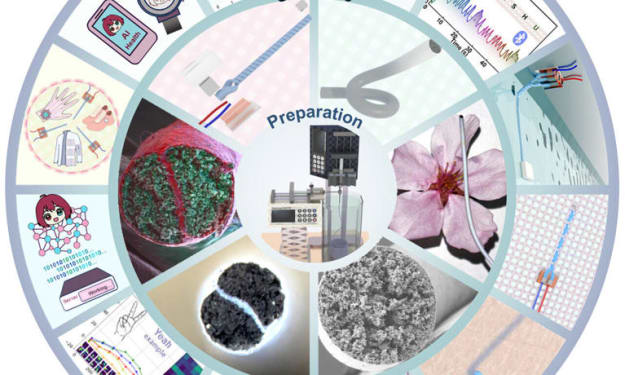
✨ Smart Fiber, Smart Wearables: DNA-Inspired Sensors Revolutionize Next-Gen Comfort & Accuracy
🌐 Introduction: The Dawn of Biologically-Inspired Wearables Imagine a world where your fitness tracker feels like a second skin, your medical monitor bends like a Band-Aid, and your smart clothing adapts to your body’s needs in real time. This isn’t science fiction—it’s the reality being unlocked by DNA-inspired flexible fiber sensors. Merging biology with cutting-edge engineering, researchers are weaving the future of wearables with threads inspired by life’s most fundamental code: DNA.
By Jacky Kapadia2 years ago in Longevity
Your Brain Is Busy While You Sleep: How Rest Rewires You for Memory and Future Learning
We all know sleep is important — we’ve been told that since childhood. But what if I told you that sleep isn’t just about rest? It’s about readiness. Not just for remembering the past, but for preparing your brain to learn something completely new the next day. In a recent study from the University of Toyama in Japan, researchers uncovered a groundbreaking dual function of sleep that will change how you think about your nightly routine. Sleep not only consolidates existing memories but also primes your brain to absorb new information. That means sleep is just as crucial for future learning as it is for holding onto what you already know. Let’s break it down — and explore why prioritizing quality sleep could be the smartest decision you’ll make this week.
By NextGen Mobile Tech2 years ago in Longevity
Cryotherapy: How Cold Exposure Helps in Wellness and Recovery
Introduction Struggling with sore muscles? We all want to continue crushing it at the gym, chasing our kids or fur kids around, or simply managing everyday aches and pains. But with the internet currently flooded with health optimization and recovery strategies, how do you know which one is right for you?
By Jair Matis2 years ago in Longevity
5 Warning Signs Your Liver Is Crying for Help (And How to Heal It Naturally!)
When people think of "health problems," they often picture the heart, the brain, or maybe their gut. But there’s one silent hero working overtime behind the scenes — and if you ignore it, you’re setting yourself up for disaster.
By Rukka Nova2 years ago in Longevity