organic
Organic and natural recipes, tips, and tricks to live a health and wellness Longevity lifestyle.
Building a Supportive Network: Surrounding Yourself with Positive Influences
Introduction: In the journey of life, the people we surround ourselves with play a vital role in shaping our attitudes, beliefs, and overall well-being. Positive influences can inspire, motivate, and provide the necessary support to help us overcome challenges and reach our full potential. Building a supportive network is a deliberate choice that requires effort, but the rewards are immeasurable. In this article, we will explore the importance of surrounding yourself with positive influences, along with practical strategies to cultivate a network that uplifts and empowers you.
By Anthonia Chidimma3 years ago in Longevity
Mastering Weight Loss with the Keto Diet Plan
Introduction In the quest for effective weight loss strategies, the ketogenic diet, or keto diet, has gained considerable popularity. This low-carbohydrate, high-fat diet offers a unique approach to shedding unwanted pounds and achieving a healthier body. In this article, we will delve into the principles of the keto diet plan and provide you with a comprehensive guide on how to successfully lose weight while following this dietary regimen.
By WellnessQuest3 years ago in Longevity
Boost Your Immune System Naturally
Introduction: In today's fast-paced world, maintaining a strong immune system is crucial for overall health and well-being. The good news is that there are natural ways to boost your immune system and enhance your body's defense mechanisms. In this engaging article, we will explore powerful health and wellness tips that can help strengthen your immune system. From nourishing foods to lifestyle practices and immune-boosting activities, we'll uncover the secrets to naturally fortifying your body's immune response. The Role of Nutrition in Boosting Your Immune System Proper nutrition plays a pivotal role in bolstering your immune system. Consuming a nutrient-rich diet is key to supporting your body's defense mechanisms. Incorporate immune-boosting foods into your meals, such as citrus fruits, berries, leafy greens, garlic, ginger, and turmeric. These foods are packed with essential vitamins, minerals, and antioxidants that promote immune health. Additionally, ensure you're getting an adequate amount of protein, as it is crucial for building and repairing tissues. Lifestyle Habits for a Strong Immune System Adopting healthy lifestyle habits is vital for maintaining a strong immune system. Engage in regular physical activity to enhance blood circulation and promote the efficient functioning of your immune cells. Prioritize quality sleep to allow your body to repair and recharge. Manage stress effectively through practices like meditation, deep breathing exercises, and engaging in activities you enjoy. Chronic stress can weaken the immune system, so it's important to find healthy ways to cope with stressors. Immune-Boosting Supplements and Herbs Supplements and herbs can provide an extra boost to your immune system. Consider incorporating supplements like vitamin C, vitamin D, zinc, and probiotics into your daily routine. These nutrients play crucial roles in supporting immune function. Additionally, certain herbs like echinacea, elderberry, and astragalus have been traditionally used to strengthen the immune system. Consult with a healthcare professional to determine the right supplements and herbs for your needs. The Power of Hydration and Gut Health Staying hydrated is essential for optimal immune function. Water helps flush out toxins and ensures the proper functioning of all body systems, including the immune system. Aim to drink plenty of water throughout the day. Additionally, focus on maintaining a healthy gut microbiome by consuming probiotic-rich foods like yogurt, kefir, sauerkraut, and kimchi. A balanced gut microbiome supports immune health by promoting the growth of beneficial bacteria. Exercise and Its Impact on the Immune System Regular exercise not only keeps your body fit but also strengthens your immune system. Engage in moderate-intensity exercise for at least 30 minutes most days of the week. Exercise increases blood flow, which allows immune cells to circulate more efficiently throughout the body. It also helps reduce stress and promotes better sleep, both of which contribute to a strong immune system. Find activities you enjoy, whether it's brisk walking, cycling, dancing, or yoga, and make them a part of your routine. The Importance of Sleep for Immune Health Adequate sleep is vital for immune health. During sleep, your body repairs and rejuvenates itself, including the immune system. Aim for 7-9 hours of quality sleep each night. Create a sleep-friendly environment by keeping your bedroom cool, dark, and quiet. Establish a consistent bedtime routine to signal to your body that it's time to rest. Limit exposure to electronic devices before bed, as the blue light emitted can interfere with sleep. Conclusion Boosting your immune system naturally is a fundamental aspect of maintaining optimal health and wellness. By focusing on nutrition, adopting healthy lifestyle habits, considering immune-boosting supplements and herbs, prioritizing hydration and gut health, engaging in regular exercise, and getting sufficient sleep, you empower your body's immune response. Incorporate these tips into your daily routine to strengthen your immune system and enjoy a healthier, more vibrant life. Remember, small changes can make a significant impact on your overall well-being, so start implementing these natural strategies today.
By Godwin T. Nwachukwu3 years ago in Longevity
Signs of Blood Shortage in the Body and Drinks to Increase Blood Count
Signs of Blood Shortage in the Body and Drinks to Increase Blood Count Blood shortage, also known as anemia, is a condition that occurs when the body lacks enough healthy red blood cells to transport oxygen efficiently. It can lead to various symptoms and complications, affecting overall health and well-being. In this article, we will explore the signs of blood shortage and focus on drinks that can help increase blood count naturally. These beverages are packed with essential nutrients, vitamins, and minerals that promote red blood cell production, leading to improved blood count and overall health. Recognizing the signs of blood shortage is crucial in identifying the condition early and seeking appropriate medical attention. Here are common symptoms and indicators: Fatigue and Weakness: Feeling tired and weak, even after sufficient rest, can indicate low red blood cell count and oxygen deprivation in the body. Shortness of Breath: Difficulty in breathing, especially during physical activity or exertion, may be a result of decreased oxygen-carrying capacity in the blood. Pale Skin and Nail Beds: A pale complexion, particularly noticeable in the face, lips, and nail beds, can be indicative of reduced red blood cell levels. Rapid Heartbeat: Anemia may lead to an increased heart rate as the body tries to compensate for the low oxygen levels. Dizziness and Headaches: Insufficient oxygen supply to the brain can result in dizziness, lightheadedness, and frequent headaches. Cold Hands and Feet: Reduced blood flow due to low red blood cell count can cause extremities to feel cold to the touch. Chest Pain: Severe anemia can strain the heart, leading to chest pain or angina. Drinks to Increase Blood Count Incorporating nutrient-rich drinks into your diet can help increase your blood count naturally. These beverages contain essential vitamins, minerals, and other compounds that support red blood cell production. Here are some drinks you can consume: Beetroot Juice: Beetroot is rich in iron, folate, and antioxidants, all of which aid in boosting blood count. Beetroot juice stimulates red blood cell production and improves oxygen-carrying capacity. It can be consumed as a standalone juice or mixed with other fruits and vegetables. Spinach Smoothie: Spinach is an excellent source of iron, vitamin C, and folate. Combining spinach with other fruits like berries and a citrus juice (rich in vitamin C) enhances iron absorption. Blend spinach with your preferred fruits and liquids to create a nutritious smoothie. Pomegranate Juice: Pomegranate juice is packed with iron, vitamin C, and antioxidants, which help increase hemoglobin levels and improve blood count. Drinking fresh pomegranate juice regularly can have a positive impact on anemia. Carrot and Beet Juice: A combination of carrots and beets can provide a potent mix of vitamins, minerals, and antioxidants. Carrots are rich in vitamin A, while beets contain iron, folate, and vitamin C. Blend both vegetables together to create a nutritious drink that promotes blood cell production. Green Vegetable Juice: A blend of various green leafy vegetables like kale, spinach, and celery can provide a significant boost to blood count. These vegetables are high in iron, folate, and vitamin C, which are essential for red blood cell synthesis. Adding a small amount of lemon juice can further enhance iron absorption. Citrus Fruit Juices: Oranges, grapefruits, lemons, and other citrus fruits are excellent sources of vitamin C. Vitamin C aids in the absorption of iron from plant-based sources, making it a valuable addition to any drink meant to increase blood count. Nettle Tea: Nettle tea is known for its iron and vitamin C content, which promotes red blood cell production and supports overall blood health. Steep nettle leaves in hot water to create a refreshing and beneficial tea. Herbal Infusions: Herbal teas and infusions made from ingredients like dandelion, chamomile, and red clover may offer benefits for blood count and overall health. These herbs are often used to support blood purification, circulation, and iron absorption. Recognizing the signs of blood shortage is essential for maintaining overall health and well-being. If you experience symptoms such as fatigue, weakness, shortness of breath, or pale skin, it is crucial to consult a healthcare professional for diagnosis and treatment. Alongside medical intervention, incorporating nutrient-rich drinks into your diet can help increase blood count naturally. Drinks such as beetroot juice, spinach smoothies, pomegranate juice, carrot and beet juice, green vegetable juice, citrus fruit juices, nettle tea, and herbal infusions can provide the body with essential nutrients that support red blood cell production. These beverages contain iron, folate, vitamin C, and antioxidants, which are vital for optimal blood health. However, it is important to note that while these drinks can complement a healthy diet, they should not replace proper medical treatment or advice. By incorporating these nutritious drinks into your daily routine, you can contribute to improving your blood count and overall well-being. Remember to consult with a healthcare professional for an accurate diagnosis and appropriate treatment plan to address any underlying causes of blood shortage or anemia.
By Bridget Dyke3 years ago in Longevity
Discover the Power of Herbal Teas: From Soothing to Energizing Blends
Herbal teas have been cherished for centuries for their delightful flavors and numerous health benefits. From soothing blends that promote relaxation to energizing infusions that invigorate the mind and body, herbal teas offer a world of natural wellness in a cup. In this article, we will explore the power of herbal teas and discover their diverse range of flavors and health benefits. Get ready to embark on a journey of tea exploration and unlock the potential of these aromatic brews.
By Grace Tyson3 years ago in Longevity
The Dark Side of Ozempic
Ozempic, a widely prescribed medication for managing blood sugar levels in individuals with type 2 diabetes, has gained significant attention for its positive impact. However, as with any medication, it is crucial to explore both its benefits and potential drawbacks. In this article, we delve into the dark side of Ozempic, shedding light on some of the concerns and considerations associated with its use. By understanding these aspects, individuals can make informed decisions and engage in open discussions with healthcare professionals.
By Samuel James3 years ago in Longevity
Ashwagandha: Enhancing Well-being Through Nature's Healing Power
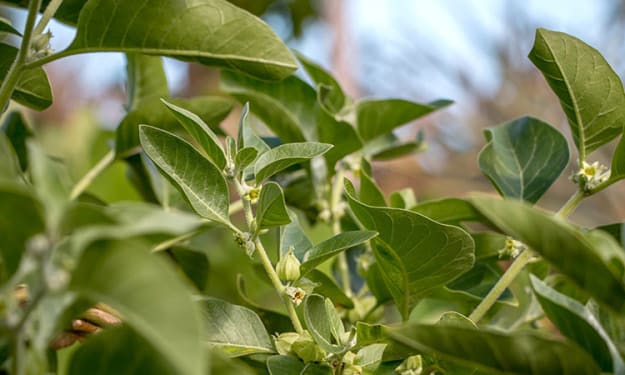
Ashwagandha, scientifically known as Withania somnifera, is an herb deeply rooted in traditional Ayurvedic medicine and revered for its potential health benefits. This outline explores the various ways in which Ashwagandha may positively impact our well-being. Originating from India and other regions, Ashwagandha has gained significant attention for its adaptogenic properties, which help the body cope with stress. Beyond stress management, this herb is believed to offer a multitude of advantages, including mood enhancement, cognitive function support, increased energy and vitality, immune system bolstering, improved sleep quality, and anti-inflammatory and antioxidant effects.
By Samuel James3 years ago in Longevity
Embracing the Power of Vegan Recipes: A Journey to Health, Sustainability, and Beyond
Have you ever wondered what the buzz around vegan or plant-based recipes is all about? Are you curious about how these diet trends are shaping our health, environment, and society? This blog post is designed to give you a comprehensive overview of vegan recipes, their multiple benefits, and why incorporating them into your home cooking can be a transformative experience.
By Elsie Konnie3 years ago in Longevity
Exploring the Power of Adaptogens: Nature's Secret to Stress Relief
In today's fast-paced and stressful world, finding natural solutions to manage stress and promote overall well-being is essential. Enter adaptogens – a group of powerful herbs and plants that have been used for centuries to support the body's ability to adapt to stress. In this enlightening article, we delve into the world of adaptogens, exploring their benefits, usage, and real-life examples of individuals who have experienced their transformative effects. Join us on a journey of discovery as we unlock the secrets of adaptogens and their potential to bring balance and harmony to our lives.
By Grace Tyson3 years ago in Longevity
Understanding the Impact of Sugar on Your Health: Breaking Free from the Sweet Trap
In today's modern world, the consumption of sugar has reached unprecedented levels, posing significant risks to our health. In this thought-provoking article, we delve into the impact of sugar on our well-being, exploring its addictive nature and sharing real-life examples of individuals who have taken steps to break free from the sweet trap. Join us on a captivating journey as we uncover the hidden dangers of sugar, provide practical tips for reducing intake, and empower you to make informed choices for a healthier lifestyle.
By Grace Tyson3 years ago in Longevity
The Art of Mindful Eating: How to Nourish Your Body and Soul
In a fast-paced world filled with distractions, mindful eating offers a path to reconnecting with our bodies and cultivating a healthier relationship with food. In this captivating article, we delve into the art of mindful eating, exploring its profound impact on our well-being and sharing real-life examples of individuals who have embraced this practice. Join us on a transformative journey as we uncover the benefits of mindful eating, provide practical tips, and explore how it can nourish both body and soul.
By Grace Tyson3 years ago in Longevity
The Healing Power of Herbal Remedies: Ancient Wisdom Meets Modern Science
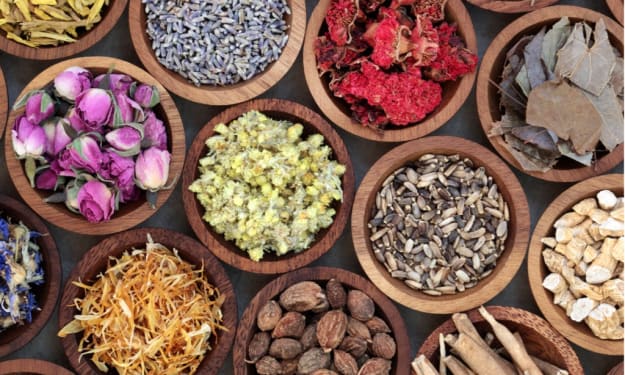
Herbal remedies have been used for centuries as natural remedies for various health conditions. The ancient wisdom of herbal medicine is now gaining recognition and validation through modern scientific research. From soothing teas to potent tinctures, herbal remedies offer a holistic approach to healing, supporting the body's innate ability to restore balance and promote well-being. In this article, we delve into the fascinating world of herbal remedies, exploring the synergy between ancient wisdom and modern scientific advancements. Discover how these natural remedies can enhance your health and bring harmony to your life.
By Grace Tyson3 years ago in Longevity