meditation
Celebrating meditation guidance and gurus.
5 Simple Exercises to Stay Fit Without Going to the Gym
Staying fit doesn’t mean you have to spend hours at the gym. With the right exercises, you can build strength, improve endurance, and stay healthy—all from the comfort of your home or any open space. Whether you're short on time, prefer working out alone, or just don’t enjoy the gym environment, these five simple exercises will help you stay in shape without needing expensive equipment.
By Muhammad Asif2 years ago in Longevity
Spirituality and the Divine: The Crown Chakra
We often associate the number seven with God or divinity. We think of it as connecting or relating to the otherworldly, higher levels of consciousness, and a way of really seeing things in this bigger, cosmic way. It can even help us think about dimensions, and how we reach other dimensions in this life.
By Slgtlyscatt3red2 years ago in Longevity
Peppermint Oil: The Staple You Didn’t Know You Needed
Peppermint Oil: The Tiny Bottle with Endless Potential Peppermint essential oil is one of those small yet mighty staples that belongs in every home. Affordable, accessible, and incredibly versatile, this cool and invigorating oil has earned its reputation as a go-to remedy for countless everyday needs. Whether you’re using it to soothe a headache, freshen your breath, or add a burst of freshness to your home, peppermint oil consistently delivers powerful results with just a drop or two.
By Annie Edwards 2 years ago in Longevity
The Third Eye Chakra
The sixth chakra, or third eye chakra, is located at the brow and is associated with the color indigo. This chakra controls your intuition, beliefs, and attitudes. The third eye controls our pysche and our "sixth sense", making this a very spiritual chakra that taps into higher levels of consciousness, along with the 7th chakra.
By Slgtlyscatt3red2 years ago in Longevity
Why is the Fifth Chakra so Important?
The fifth chakra, or throat chakra, is located at the throat and is associated with the color blue, usually a light blue hue. This chakra is commonly associated with our person strengths and weaknesses with communication and self-expression. It fosters our ability to be expressive with our thoughts and feelings in the world. Your throat chakra helps you gain insight into how to communicate properly and how to resolve conflicts. Your self-expression is of the utmost importance here.
By Slgtlyscatt3red2 years ago in Longevity
From Bangkok to Phuket!
I have been writing about dreams a lot lately. Eating late at night and watching horror movies is a lethal combination. It sets the stage for the worst of nightmares. This one was so vivid and real, I woke up with a new lease on life. Sometimes, dreams are where our answers lie.
By Antoni De'Leon2 years ago in Longevity
How to Beat Stress and Anxiety in Just 10 Minutes a Day
In today’s fast-paced world, stress and anxiety have become all too common. Whether it’s work pressures, personal struggles, or simply the demands of daily life, many people find themselves overwhelmed by stress on a regular basis. But what if you could combat these feelings in just 10 minutes a day? While there’s no quick fix for anxiety, incorporating short yet powerful practices into your routine can make a significant difference in how you manage stress. Here are some simple yet effective techniques to help you regain control and find inner peace in just 10 minutes a day. 1. Deep Breathing Exercises: Calm Your Nervous System One of the simplest ways to reduce stress and anxiety is through deep breathing. Stress activates the body's fight-or-flight response, causing an increase in heart rate and shallow breathing. By focusing on your breath, you can activate the parasympathetic nervous system, which helps to calm your body and mind. How to do it: Sit or lie down in a comfortable position. Close your eyes and take a deep breath in through your nose for a count of four. Hold your breath for a count of four. Slowly exhale through your mouth for a count of four. Repeat for 5–10 minutes, focusing on your breath and allowing any tension to melt away. This simple practice can quickly help you feel more grounded and relaxed, even on your busiest days. 2. Mindful Meditation: Clear Your Mind and Reset Meditation doesn’t require hours of practice to be effective. In fact, just 10 minutes of mindfulness can help reduce anxiety and improve your emotional well-being. By focusing on the present moment, you can break the cycle of negative thinking that fuels stress and anxiety. How to do it: Find a quiet space where you won’t be disturbed. Sit comfortably and close your eyes. Focus on your breath, the sensations in your body, or even a simple mantra (a word or phrase you repeat to yourself). Whenever your mind begins to wander, gently bring your focus back to your breath or mantra. Aim for 5-10 minutes of uninterrupted practice. This mindful practice can help you stay in the present moment, reducing the constant worry about the past or future that can contribute to anxiety. 3. Progressive Muscle Relaxation (PMR): Release Tension Stress often manifests physically in the body, especially in the form of tight muscles. Progressive Muscle Relaxation (PMR) is a technique that involves tensing and then relaxing different muscle groups to help reduce physical tension and promote relaxation. How to do it: Start by sitting or lying down in a comfortable position. Close your eyes and take a deep breath. Starting from your feet, tense each muscle group for 5–10 seconds, then relax them for 20 seconds. Move up through your body, tensing and relaxing each muscle group (legs, abdomen, arms, shoulders, neck, and face). Focus on the sensation of relaxation in each muscle group. This exercise helps you release the physical symptoms of stress and can provide immediate relief from tension. 4. Journaling: Release Your Thoughts Writing is a therapeutic way to release emotions and clear your mind. Journaling for just 10 minutes a day can help you process your thoughts and make sense of the worries that are causing stress. It allows you to reflect on what’s bothering you and offers a safe space to vent without judgment. How to do it: Set aside 10 minutes each day to write in a journal. Write about what’s on your mind, any sources of anxiety, or simply how you’re feeling in the moment. Don’t worry about grammar or structure—this is for your eyes only. If you’re unsure where to start, try writing prompts like “What’s causing me stress right now?” or “What am I grateful for today?” Journaling can help you process emotions, gain clarity, and reduce the overwhelming feeling of having too much on your mind. 5. Physical Movement: Get Your Body Moving Exercise is a well-known stress buster, and even just a few minutes of physical movement can help release built-up tension and improve your mood. You don’t need to hit the gym for hours—short bursts of activity can make a big difference. How to do it: Try quick exercises like jumping jacks, stretching, yoga poses, or a brisk walk. If you prefer something more relaxing, yoga or tai chi are excellent options for reducing stress and calming the mind. Focus on the movement, breathing deeply as you stretch and move. Even 10 minutes of movement can boost your mood and help you feel more energized and in control. 6. Aromatherapy: Soothe Your Senses Certain scents have been shown to reduce stress and promote relaxation. Essential oils like lavender, chamomile, and eucalyptus have calming properties that can help ease anxiety. How to do it: Use a diffuser to release calming scents into the air. Alternatively, add a few drops of essential oil to a cotton ball or a tissue and inhale deeply. You can also add a few drops of oil to your pillow or bathwater for added relaxation. Aromatherapy provides a sensory experience that can quickly calm your nerves and promote relaxation in just a few minutes. Conclusion: Your Path to Calm in Just 10 Minutes By dedicating just 10 minutes each day to stress-relieving techniques like deep breathing, mindfulness, or journaling, you can significantly reduce feelings of anxiety and regain a sense of control over your emotions. While these practices won’t eliminate stress entirely, they provide an effective way to manage it and improve your mental well-being. Give yourself the gift of 10 minutes of peace every day, and feel the benefits in both your mind and body.
By Gift Abotsi 2 years ago in Longevity
The Problem With Most Of The Health And Wellness Industry
Yesterday, I wrote a Satirical Article for Finding Success as a part of April Fools Day. No, you should not take it seriously, though if you need something fun to lighten your day then you should give it a read.
By H.E. Dr. Cody Dakota Wooten, COIE, DFM, DHM2 years ago in Longevity
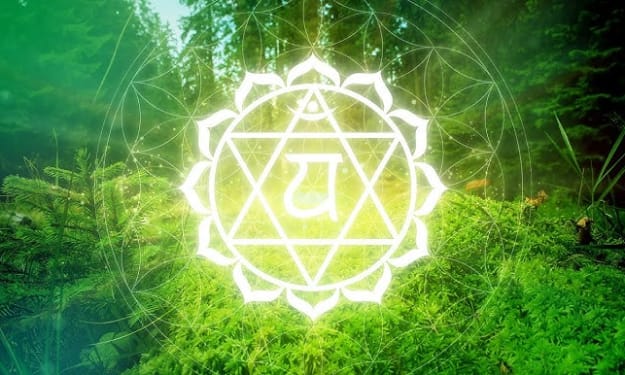
Everything You Need to Know about Your Heart Chakra
The Fourth Chakra The fourth chakra or heart chakra is located in the middle of the chest near the heart and is associated with the color green. This chakra controls ideals of love, compassion, kindness, and acceptance. Those with a strong heart chakra are very empathetic and compassionate people. They have an understanding of how others feel, and can typically put themselves in other peoples' shoes very easily, looking at situations from more than one point of view. People with a strong heart chakra are also very kind and forgiving in nature, making them trustworthy and loyal friends. The heart chakra is truly the center of love and relationships, but this idea of love spans much more than love in the romantic sense; it also refers to self-love and universal love, the ideas of acceptance, trust, and appreciation for all living and non-living things in this universe. Those with a strong heart chakra also usually have a stronger sense of self, and they exhibit confidence.
By Slgtlyscatt3red2 years ago in Longevity