longevity magazine
Longevity Magazine highlights health, wellness, anti-aging, inspirational weight loss stories, and healthy tips.
Could Meditation Be Detrimental?
In the past few decades, many people have talked about how Beneficial Meditation is for our Wellbeing. Indeed, there is Research that has shown that there are Many Benefits that have been shown to be Great for our Mental Health.
By H.E. Dr. Cody Dakota Wooten, COIE, DFM, DHM2 years ago in Longevity
Matrix Memory
The human cerebrum, a mind boggling organization of billions of neurons, is frequently compared to a supercomputer. Be that as it may, dissimilar to its silicon partner, the cerebrum's stockpiling framework is undeniably more unpredictable and strange. Researchers have for quite some time been entranced by memory, its development, stockpiling, and recovery.
By Iftikhar Akram2 years ago in Longevity
What Is the Recommended Number of Push-Up Repetitions for Maximum Strength?
Hi, fitness fans! If you're anything like me, you love the simplicity and effectiveness of a good old-fashioned push-up. But have you ever wondered how many push-ups you should be doing to maximize your strength? Well, wonder no more! Let's dive into the world of push-ups and find out the magic number for maximum strength.
By Gerald Irimisose2 years ago in Longevity
How To File A Short-Term Disability Claim
I understand that filing a short-term disability claim can feel overwhelming, particularly when you're dealing with a medical condition. However, by breaking the process down into simple steps, you can navigate it with ease and confidence. In this article, I'll walk you through the necessary steps to file a claim, so you can get the benefits you need without unnecessary delays.
By Sara Closson, BCPA2 years ago in Longevity
Dark Truth of Weight Loss Supplements
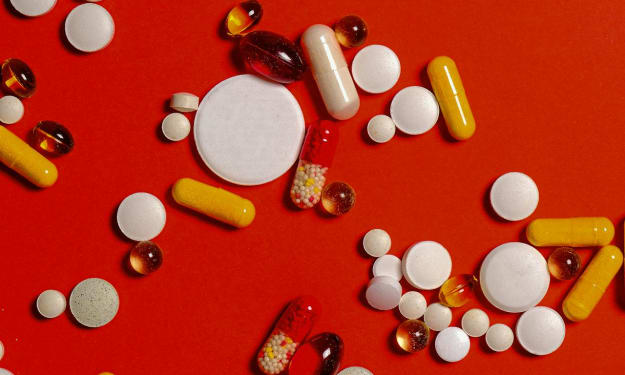
The recently released Lacet Global Health Report reveals that 50% of India's population is physically unfit. The World Health Organization suggests that individuals should engage in at least 2.5-3 hours of moderate exercise each week to maintain good health. Unfortunately, half of the Indian population is not meeting this recommendation. This lack of physical activity has led India to be ranked as the 12th worst country out of 195 globally when it comes to fitness. As a result, millions of Indians are struggling with unhealthy weight gain. In their quest to lose weight, many are turning to quick fixes such as green tea, apple cider vinegar, and various weight loss supplements. The efficacy of these products and whether they can truly deliver on their promises is the focus of today’s discussion. Weight loss supplements often claim to provide a magical solution to weight management, suggesting that one can lose weight overnight without the need for exercise or dietary changes. These products come in various forms, including syrups, pills, capsules, and herbal shakes, and are frequently marketed as being backed by scientific research or clinical trials. However, the truth behind these claims is often far from what is advertised. Unlike medical drugs, which must pass rigorous testing and regulatory scrutiny, weight loss supplements are classified as dietary supplements and face far fewer regulations. As a result, many of these products are not subjected to the same level of scrutiny regarding their safety and efficacy. One category of weight loss supplements claims to be effective by manipulating leptin levels. Leptin is a hormone produced by fat cells that signals the brain about the body’s fat stores and regulates hunger. The theory is that increasing leptin levels will suppress appetite and lead to weight loss. However, in individuals who are obese, leptin levels are already high, and the body can develop leptin resistance. This means that even though leptin levels are high, the brain does not receive the signal to stop eating, making such supplements ineffective in these cases. Another type of supplement is known as fat binders or fat trappers, which contain chitosan, a substance derived from the shells of crustaceans like shrimp and crabs. Chitosan purportedly binds to fat molecules, making them indigestible, thus preventing fat absorption and promoting weight loss. While this may sound scientifically plausible, there is a significant downside. Chitosan also prevents the absorption of fat-soluble nutrients such as vitamins A, D, E, and K, which are essential for overall health. Furthermore, research shows that the actual impact of chitosan on weight loss is minimal. Fat burners are another popular category of weight loss supplements. These products often contain caffeine, which is known to stimulate the nervous system and increase metabolism. Caffeine can enhance fat oxidation and improve exercise performance, which might contribute to some degree of weight loss. However, the weight loss effects are generally modest. Additionally, overuse of caffeine can lead to tolerance, diminishing its benefits. Caffeine’s potential negative effects, such as anxiety, insomnia, and digestive problems, further complicate the use of these supplements. Despite the marketing claims, many weight loss supplements do not deliver significant results. Research and meta-analyses have consistently shown that these products offer only minimal benefits, if any, in terms of weight loss. For instance, studies on green tea and green coffee, which are often promoted for their fat-burning properties, reveal that their impact on weight loss is statistically insignificant. While green tea and green coffee may provide some health benefits due to their antioxidant properties, they cannot replace the need for regular exercise and a balanced diet. The ultimate message from the research is clear: the most effective strategies for weight loss are calorie restriction and regular physical activity. Engaging in moderate-intensity exercises such as walking, climbing stairs, swimming, or gardening for at least 3 hours per week is crucial for achieving and maintaining a healthy weight. Relying on weight loss supplements not only fails to provide substantial results but can also pose potential health risks. In conclusion, while weight loss supplements might seem appealing as a quick fix, they generally do not offer meaningful benefits and may even be harmful. The focus should remain on sustainable methods for weight management, such as maintaining a balanced diet and incorporating regular physical exercise into daily routines. By adopting these healthy habits, individuals can achieve better health outcomes and effectively manage their weight without relying on potentially ineffective and risky supplements.
By Vashundhara2 years ago in Longevity
Supercharging Your Heart with Regular Exercise: A Guide to Cardiac Power
Hola, Ready to unlock the secrets of a stronger, more resilient heart? You're in the right place. Today, we're embarking on a journey to discover how regular exercise can transform your heart health, turning it into the robust, efficient muscle it's meant to be. So, let's flex those cardiac muscles and dive into the world of heart health!
By Gerald Irimisose2 years ago in Longevity
How do antibiotics destroy our gut health?
Antibiotics are substances that are either produced through the use of microbes such as penicillin-producing bacteria, extracted from plants, produce entirely industrially, used to prevent the growth of microbes or slow their growth and reproduction, but there is growing concern among scientists about the health implications of our growing dependence on antibiotics.
By reda hamouda2 years ago in Longevity