longevity magazine
Longevity Magazine highlights health, wellness, anti-aging, inspirational weight loss stories, and healthy tips.
What Really Happens During a 72-Hour Fast — And Why You’ll Want to Try It
No food. Just water. For three full days. It sounds extreme. Radical. Maybe even a little crazy. But millions of people — from Silicon Valley CEOs to cancer researchers to ancient spiritual communities — are discovering something wild:
By Rukka Novaabout a year ago in Longevity
Lead Your Healthy Life. . AI-Generated.
Lead Your Healthy Life: A Comprehensive Guide to Wellness In today's fast-paced world, maintaining a healthy lifestyle has become more crucial than ever. With the rise of sedentary habits, processed foods, and constant stressors, it's easy to neglect our well-being. However, embracing a holistic approach to health can lead to improved physical, mental, and emotional well-being. This guide delves into practical steps to lead a healthier life, ensuring longevity and vitality.
By MD Mahadi Hasan about a year ago in Longevity
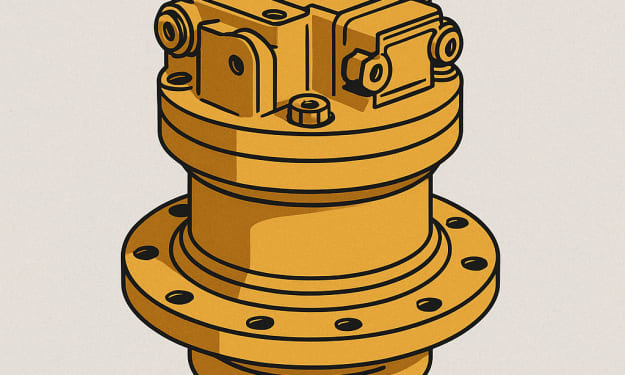
Excavator Swing Motor Power Drive. Content Warning.
Understanding the Excavator Swing Motor Power Drive: Key to Efficiency and Precision In the world of heavy construction machinery, few components are as critical to functionality and productivity as the swing motor power drive in an excavator. Often overshadowed by the boom, bucket, or tracks, this essential part plays a pivotal role in ensuring precise rotation, smooth movement, and reliable operation. Whether on a large construction site or in a confined urban excavation, the swing motor is the unsung hero of efficient machine operation.
By Mukhtiar Ahmadabout a year ago in Longevity
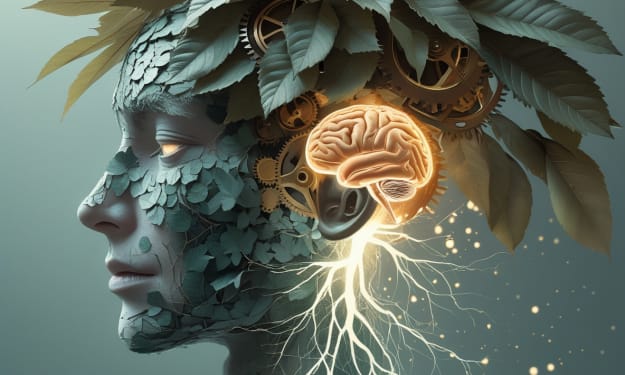
Is Your Brain Getting Older Than You? Here's How to Stop It
We often think of aging as something that affects our bodies—wrinkles, joint pain, gray hair. But did you know your brain can age faster than your body if you don’t take care of it? Mental fog, forgetfulness, low focus, and difficulty making decisions are signs that your brain may be aging prematurely. The good news? You can slow, stop, or even reverse this trend with a few simple lifestyle changes.
By RASOOL KHANabout a year ago in Longevity
Unlock Your Growth Potential: Simple Habits to Look and Feel Taller
Do you wish you were a little taller? You’re not alone. Many people want to increase their height, whether it’s to feel more confident, improve their posture, or just reach that top shelf without a stool! While genetics play a big role in determining your height, there are still several natural and healthy ways to help improve it. In this article, we’ll explore how you can boost your height naturally with simple lifestyle changes, exercises, and healthy habits.
By Atta Ullahabout a year ago in Longevity
The Battle of the Plate: Defeating Obesity with the Right Formula
Introduction: The Silent Epidemic In a world flooded with convenience and taste-engineered temptations, obesity has quietly emerged as one of the most serious public health crises. From fast food chains on every corner to sugary beverages filling our shelves, the modern diet has strayed far from its natural roots. The image of two human figures—one sculpted from fruits and vegetables, the other from burgers, sodas, and fries—vividly portrays the stark reality of our dietary choices. But what exactly is the correct formula to defeat excess weight? The answer isn’t a secret pill or a crash diet. It’s a balanced equation involving nutrition, movement, mindset, and consistency. --- 1. You Are What You Eat: The Body as a Reflection of Diet The phrase “you are what you eat” isn’t just a cliché—it’s a biological truth. Our bodies are built, repaired, and fueled by the food we consume. When we rely heavily on processed, sugary, and fatty foods, our bodies respond with inflammation, fat storage, insulin resistance, and energy crashes. Conversely, whole foods—rich in fiber, vitamins, and minerals—nourish the body on a cellular level. They support metabolism, improve gut health, and provide sustained energy. Key Rule: Eat foods that come from the earth, not a factory. --- 2. The Calorie Conundrum: Quality Over Quantity Many people obsess over calories, thinking that eating less automatically leads to weight loss. While calorie control is important, not all calories are created equal. 100 calories of soda = sugar spike, insulin surge, fat storage 100 calories of almonds = fiber, protein, sustained energy This difference is why people who consume “empty calories” feel hungry sooner and tend to overeat. Nutrient-dense foods keep you fuller longer and reduce cravings. Formula: Choose nutrient-dense over calorie-dense foods. --- 3. Move More, Sit Less: The Role of Exercise While diet plays a primary role in weight loss, exercise is the engine that keeps the body metabolically active. You don’t need to be a gym rat to benefit. A 30-minute daily walk, cycling, yoga, or dancing can make a significant difference. Exercise does more than burn calories. It: Improves insulin sensitivity Boosts mood through endorphins Builds muscle (which burns more calories at rest) Formula Tip: Combine cardio with strength training for optimal results. --- 4. Sleep and Stress: The Hidden Saboteurs Sleep and stress are often overlooked in weight management. Poor sleep disrupts hunger hormones (ghrelin and leptin), making you crave high-calorie foods. Chronic stress increases cortisol levels, which encourages fat storage—especially around the belly. Combat this with: 7–9 hours of quality sleep per night Daily mindfulness practices (meditation, journaling, deep breathing) Formula Reminder: A well-rested, stress-free body manages weight better. --- 5. The Psychology of Eating: Mind Over Meal Emotional eating, binge cycles, and unhealthy relationships with food stem from deeper psychological patterns. Awareness is key. Ask yourself: Are you hungry, or bored? Are you eating to fill a void or to fuel your body? Mindful eating practices help: Chew slowly Eat without screens Listen to hunger and fullness cues Formula for Success: Heal your relationship with food—it’s not the enemy. --- 6. The Power of Habit and Consistency Weight loss is not a sprint—it’s a marathon. Crash diets, detox teas, and miracle supplements offer temporary results at best. Sustainable change comes from building consistent habits: Prepare meals in advance Keep healthy snacks within reach Hydrate throughout the day Track your progress (not obsessively) It’s the small, repeated actions that lead to long-term transformation. --- 7. Know Your Why: The Deeper Motivation Everyone has a unique reason for wanting to lose weight. Maybe it’s to feel confident again, reduce the risk of disease, or keep up with your kids. Whatever your reason, write it down. Remind yourself of it daily. It’s your anchor in moments of weakness. Formula Insight: A strong “why” fuels unstoppable discipline. --- 8. Real People, Real Results Meet Samira. She used to drink three sodas a day, skipped breakfast, and ordered fast food every evening. She felt sluggish, unhappy, and weighed over 95 kg. After making small, consistent changes—swapping soda for water, adding vegetables to meals, and walking 20 minutes a day—she lost 25 kg in a year. Her secret? No magic. Just commitment. There are thousands of similar stories, proving that the formula works. --- Conclusion: Rewrite Your Food Story The body made of fruits and vegetables and the one built from burgers and cola aren’t just fantasy—they represent a choice we make every single day. One path leads to energy, vitality, and confidence; the other to disease, discomfort, and regret. The correct formula to defeat excess weight is clear: Whole, real foods Regular movement Quality sleep Stress control Mindful eating Unshakeable consistency It’s time to rewrite your food story. The pen is in your hand—and so is the fork.
By Nasir Khanabout a year ago in Longevity
The Slow Fade: What They Don’t Tell You About How the Brain Ages
I. The Unseen Shift You forget a name. You walk into a room and pause, confused. You reread the same paragraph three times. You laugh it off. "Just tired," you say. But somewhere deep inside, you wonder: Is this the beginning of something? Brain aging doesn’t announce itself with sirens. It whispers. It nudges. It fades—slowly, invisibly, until one day, you feel slower than you remember being. --- II. The Myth of the “Old” Brain We imagine brain aging as something that starts at 70. The truth? Your brain peaks in your 20s. Processing speed, memory retention, and mental flexibility begin their gradual descent in your 30s and 40s. It’s not decline—it’s transition. Like the body, the brain changes with time. But unlike a pulled muscle or wrinkled skin, these shifts are harder to see. And because they’re subtle, we ignore them—until we can’t. --- III. What’s Actually Happening Up There? As we age, several neurological processes shift: Neuron shrinkage: Brain cells don’t necessarily die—but they shrink and fire less efficiently. Reduced dopamine production: Leading to lower motivation and mood changes. Hippocampal changes: Memory formation becomes more difficult. Decline in myelin: Slower signal transmission means slower thoughts. Sleep quality drops: Poor rest affects memory consolidation and clarity. It’s not all bad news. Other areas—like vocabulary, emotional intelligence, and moral reasoning—improve with age. You may process slower— But you think deeper. --- IV. The Invisible Workload In your younger years, your brain multitasks effortlessly. But as you age, cognitive load becomes heavier. You can still handle stress, noise, distractions— But it takes more energy. That’s why long meetings exhaust you more. Why background noise is suddenly intolerable. Why decision fatigue feels more real than ever. It’s not weakness. It’s bandwidth. Your brain is spending more energy just to keep up. And no one warns you about that part. --- V. The Power of Neuroplasticity Here’s the good news: The brain is not a static machine—it rewires itself. This is called neuroplasticity: The ability to form new connections, reroute damaged pathways, and learn—even in old age. Every new experience, challenge, and skill you attempt builds resilience. Even simple habits like learning a language, solving puzzles, or changing routines stimulate regeneration. You can’t stop the slow fade— But you can slow it further. You can strengthen your mental core. It’s like resistance training for your mind. --- VI. The Mental Diet What you feed your brain matters. And no, we’re not just talking about food. Sleep: It’s not a luxury. It’s neurological maintenance. Hydration: Even mild dehydration impacts memory and attention. Omega-3s: Vital for cellular health. Social connection: Loneliness accelerates brain aging faster than smoking. Movement: Regular exercise increases blood flow to the brain and triggers growth factors like BDNF (brain-derived neurotrophic factor). Silence & stillness: Time for the brain to integrate, reflect, and rest. The sharper you want to stay, the more deliberate you must become. --- VII. Emotional Aging Not all cognitive changes are losses. With age, many people report: Increased patience Better emotional regulation Greater empathy and self-awareness These aren’t minor upgrades. They are survival skills. Your aging brain may forget names— But it remembers what matters. You may lose speed— But you gain wisdom. You start seeing patterns instead of pixels. Meaning instead of noise. That’s the hidden beauty of aging. --- VIII. The Fear We Don’t Talk About Still, many live in quiet fear. Of dementia. Of Alzheimer’s. Of forgetting who they are. It’s valid. Cognitive disease affects millions, and early signs are easy to dismiss. But fear without action is paralysis. Fear with intention is power. Get screenings. Track your memory. Talk to professionals. Build daily mental rituals. The earlier you act, the better your chances to preserve and protect your mind. --- IX. Final Thoughts: Aging Is Not Failing There’s a cruel idea baked into our culture: That aging is loss. That fading is failure. But the truth is gentler— Aging is simply transformation. Yes, the brain slows. Yes, things get harder. But inside those challenges is a new strength: Patience. Purpose. Perspective. You are not becoming less. You are becoming different. And if you treat your mind with care, curiosity, and courage— You can grow sharper, wiser, and more powerful than ever before. The slow fade may come. But so will the quiet bloom.
By Nasir Khanabout a year ago in Longevity
The Weight of the Heart: Interpreting the Profound Emotions in Cri Sood’s Artwork
Introduction: Cri Sood’s visual art often communicates deep emotional narratives, drawing viewers into reflections on the human psyche. In this specific work, we are met with a deeply stirring scene: a solitary figure—likely a young girl—poised perilously on a cliff’s edge, bound by a rope to an enormous, heart-shaped stone. Rendered in subdued hues of gray and blue, the artwork radiates solitude and sorrow, encouraging introspection on the burdens we silently endure and the emotional ties that restrain us. This article delves into the layers of meaning within this powerful image, examining its metaphorical significance, stylistic execution, and potential emotional impact for readers on platforms such as Vocal Media. Visual Description and Artistic Approach: The composition immediately commands attention with its central figure. The girl, delicately drawn and clad in a wind-swept dress, stands teetering at the brink of a jagged cliff. Her stance conveys resistance; she pulls backward, arms outstretched, grasping tightly to the rope that links her to the suspended heart-shaped weight. This massive stone dangles ominously into the abyss, its surface marked by coarse bindings and a sense of heaviness. Sood’s subdued color scheme heightens the somber tone. The dominance of gray, subtly interrupted by hints of blue in the sky and her clothing, deepens the sense of coldness and emotional distance. A dramatic interplay of light highlights the figure against the stark shadows of the cliff and stone, reinforcing her isolation and the immense load she shoulders. The texture of the brushwork enhances the emotional landscape. The sky, painted with restless, swirling strokes, conveys inner chaos or external tension. Jagged, steep cliff lines introduce a sense of threat and fragility, while the smooth, almost tender curve of the heart contrasts this sharply—perhaps reflecting the contradictory nature of feelings and attachments. Symbolic Meaning: The piece is layered with symbolism, leaving room for diverse interpretations. The young girl may embody the soul—frail yet enduring—confronting life’s trials. The oversized heart, the image’s focal point, may represent several emotional struggles: Mourning and Sorrow: The heavy heart may symbolize grief, a sorrowful anchor that keeps one rooted in past losses. Her effort to hold on might signify the painful process of release. Remorse and Shame: It could also be a metaphor for guilt or regret—emotional consequences from past actions, with the rope and ties symbolizing how we bind ourselves with memory and self-judgment. Emotional Luggage: On a wider scale, it may reflect the emotional baggage we accumulate—traumas, fears, or negative cycles—that prevent progress and personal growth. Toxic Attachments: The rope linking her to the heart might illustrate harmful or one-sided relationships that weigh us down. Her effort to resist may symbolize the courage needed to sever such ties. The cliff could signify the instability of emotional balance, the ever-present danger of falling into despair. The void beneath amplifies the sense of aloneness and emotional exposure. Connection with Vocal Media Readers: This artwork will likely strike a deep chord with Vocal Media’s audience, known for engaging with introspective and emotionally charged content. The themes of endurance, emotional conflict, and personal reflection are universally relatable. Its open-ended symbolism invites readers to draw from personal experiences, making the viewing experience more intimate. To capture attention on Vocal Media, the article can be framed with an inviting headline and a hook that emotionally draws the reader in. Including visuals, especially the painting, would enhance reader engagement. Incorporating personal insights or relatable thoughts could further bridge a connection between the viewer and the artwork. Broader Themes and Future Exploration: The discussion could be broadened by linking to adjacent topics, such as: Mental and Emotional Wellness: The painting serves as a prompt to care for our emotional health and face our inner burdens. Inner Strength: The figure’s upright stance, despite her struggle, hints at the quiet strength inherent in the human condition. Purpose and Self-Discovery: The scene encourages viewers to think about what propels them forward despite emotional challenges. Art as a Tool for Healing: Art’s power in helping people process complex feelings and find clarity during emotional hardship is a significant theme here. Conclusion: Cri Sood’s “The Weight of the Heart” is a poignant, emotionally rich painting that reflects the universal human journey through pain and perseverance. Its deep symbolism and evocative style offer fertile ground for thought and interpretation. By analyzing its technique, metaphorical depth, and potential resonance with modern readers, we can better appreciate its message. This haunting visual serves as a powerful reminder of the emotional loads we bear, the inner strength we hold, and the lifelong path of understanding the intricacies of the human heart.
By Ikram Ullahabout a year ago in Longevity