lifestyle
Living your life - the health and wellness way.
From Burnout to Bed Rotting
Scrolling, streaming, and snacking while lying in bed may sound like a great way to spend a lazy weekend morning. But for many Gen Zers, it’s become a common crutch for self-care known by the social media term “bed rotting.” This trend isn’t about simply taking some downtime; it’s a response to overwhelming stress, burnout, and mental fatigue. It’s also potentially detrimental to long-term health, raising the concerns of sleep experts.
By Drew Millerabout a year ago in Longevity
Digital Detox: How Unplugging for 7 Days Gave Me My Life Back
It started with a simple question: “When was the last time you were truly alone with your thoughts?” I couldn’t answer. Not honestly. Every quiet moment in my life had been filled with a screen—scrolling, swiping, reacting, refreshing. I checked my phone the moment I woke up and fell asleep to the blue glow of notifications. I wasn’t living. I was consuming—information, opinions, entertainment, drama—all day, every day. So, I decided to do something radical (at least by today’s standards): I went offline for seven days. No social media. No endless YouTube videos. No late-night scrolling. Just real life. What I expected: boredom. What I got: clarity. --- 📵 Day 1: The Panic The first day was the hardest. The moment I deleted Instagram, TikTok, and Twitter, I felt... anxious. Like I was missing something. I kept instinctively reaching for my phone. Every five minutes. No joke. I realized how automatic it had become—this endless checking. Like my fingers had a habit my mind didn’t even notice anymore. By the end of Day 1, I felt twitchy and irritable. It wasn’t fun. It felt like withdrawal. --- 🧠 Day 2: The Mental Noise On the second day, I finally noticed something: my brain was loud. Without the noise of constant content, my thoughts had space to surface. And they were everywhere—unfinished ideas, unprocessed feelings, random memories, dreams I’d forgotten I had. It was overwhelming, but in a way, it was beautiful. My mind was waking up from a long nap. --- ✍️ Day 3: Creativity Returns On Day 3, something strange happened: I started writing again. Not for likes or followers, just for myself. I picked up my old journal, dusted it off, and wrote pages of thoughts I didn’t even know I had. I wrote poems. I doodled. I even came up with an idea for a short story that I might actually finish this time. Without the constant stream of content, my own voice started to get louder. --- ☀️ Day 4–5: Reconnection By Day 4, I was more present than I’d been in months. I noticed how green the trees were during my walk. I sat through an entire meal without reaching for my phone once. I had a real conversation with a friend without checking notifications. I laughed more. Listened deeper. I felt connected—not to the internet, but to people and moments that actually mattered. --- 🛌 Day 6: Real Rest The most surprising part came near the end: I was sleeping better. Way better. No doom-scrolling before bed. No blue light. No anxious comparing of someone else’s highlight reel to my real life. Just quiet. A book. Then real, deep sleep. I didn’t wake up feeling behind. I woke up feeling rested. --- 🌿 Day 7: The Shift By Day 7, I felt different. Clearer. Lighter. Less anxious. I didn’t miss the noise. I didn’t miss the pressure to post. I didn’t miss feeling like I had to keep up with everyone, all the time. Instead, I felt like me again. Not the version of me curated for others. Just the real one—unfiltered, and finally heard.
By Abdul Musawer about a year ago in Longevity
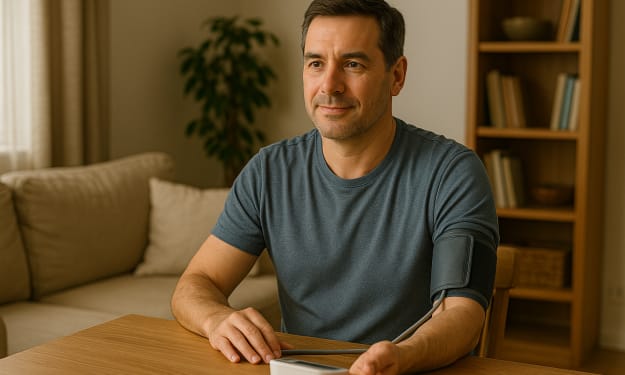
Holistic Strategies to Balance Your Blood Pressure Naturally
High blood pressure — or hypertension — is also known as the "silent killer" for its impeccable record. It's found in nearly half of all American adults, typically without anyone realizing it, and increases their chance of heart attack, stroke, and kidney disease. The good news: drug treatment isn't always necessary to manage it. With a few simple lifestyle changes, many people can lower their blood pressure naturally — and keep it there.
By Velma Lovemoreabout a year ago in Longevity
Slow Living: The Lifestyle That Helped Me Find Peace in a Fast World
We live in a world that celebrates speed. Fast food. Fast results. Fast money. We’re encouraged to hustle, grind, and squeeze every minute for productivity. For a while, I did exactly that. I chased deadlines, kept a packed schedule, said “yes” to everything, and measured my value by how busy I was. But I was tired. Not just physically tired — I was mentally drained, emotionally burned out, and spiritually disconnected. My life looked full on the outside, but inside it felt hollow. That’s when I stumbled upon a phrase that would quietly change everything: Slow living. --- 🕊️ What Is Slow Living? Slow living isn’t about being lazy or giving up ambition. It’s about intentionality — choosing what matters, and letting go of what doesn’t. It’s about moving through life at your own pace, not the world’s. This lifestyle encourages you to slow down and savor. You eat meals without screens. You go for walks without checking your phone. You spend time with people without rushing to the next thing. You live in the now, not always chasing next. At first, the idea felt radical. In a society built on speed, slowing down felt… wrong. Unproductive. But deep down, I knew it was what I needed. --- 🔄 The Shift: From Hustle to Harmony My journey into slow living began with small changes: I stopped checking my phone the moment I woke up. I started drinking my morning coffee without multitasking. I began saying no to things that didn’t align with my values. I scheduled intentional breaks into my workday. I learned to prioritize rest without guilt. Instead of rushing through to-do lists, I focused on doing one thing at a time — and doing it well. And guess what? I was still productive. In fact, I became more effective, because my energy was better managed, and my mind was clearer. --- 📱 Reclaiming Time from Screens One of the biggest changes I made was how I used technology. Before, I’d spend hours scrolling, jumping between apps, watching videos that didn’t add much value to my day. Social media made me feel like I was missing out — like everyone was ahead of me in the race of life. Now? I set clear boundaries with screens. No phone after 9 PM. No social media in the morning. Instead, I read books, journal, or go for quiet walks. I didn’t need more screen time. I needed more real time — with myself, my surroundings, and the people I love. --- 🧘 What I Gained by Slowing Down Slow living helped me rediscover things I’d forgotten I loved — things like writing, sketching, cooking from scratch, even just daydreaming. It made room for small joys that I used to rush past. I felt more connected to myself. More present in conversations. More grateful for everyday moments — sunlight through the window, a warm meal, birdsong outside my door. Most importantly, I stopped measuring my worth by how much I could cram into a day. I learned that a slower life isn’t an empty life. It’s a fuller one — rich with meaning, depth, and calm. --- 🌱 How You Can Start Living Slower You don’t need to quit your job or move to the countryside to embrace slow living. It starts with small, intentional choices: Wake up 15 minutes earlier and enjoy a quiet moment before the world starts. Eat without distractions — no phones, no rush. Declutter your calendar. Only keep what aligns with your values. Go for a walk without music or podcasts. Listen to the world around you. Unplug for one hour a day. Let your brain rest. Start small. Go gently. Let slowness become your anchor. --- 🧭 Final Thought Slow living isn’t about doing less to be less. It’s about doing less to be more — more focused, more grounded, more connected. The world will always spin fast. But you don’t have to. You get to choose your pace. You get to breathe deeper. You get to build a life that feels good, not just looks good. And sometimes, the bravest thing you can do… is slow down.
By Abdul Musawer about a year ago in Longevity
More Life, More Joy
It happened on a quiet Tuesday morning. I was sipping lukewarm coffee, scrolling mindlessly through social media, when I stumbled across an old photo of myself. It was from five years ago, taken during a family trip to the mountains. I didn’t look particularly glamorous or even overly happy in that photo—but I looked alive. My eyes were brighter. My shoulders weren’t hunched. I wasn’t weighed down by stress, fatigue, or the dull ache of burnout.
By From Dust to Starsabout a year ago in Longevity
Hormone Health and Plant-Based Diets: What You NEED to Know
One thing you will never see me doing is touting a complete overhaul of your eating patterns to be full plant-based and only plant-based - but I won’t ignore the really cool benefits that come with leaning in to more plant-based foods, in more of a “plant forward” approach.
By Emily the Period RDabout a year ago in Longevity
Blue Zones
In a world obsessed with productivity, speed, and convenience, the idea of living longer and happier might seem like a distant dream. Yet, scattered across the globe are a handful of regions where people not only live well into their 90s and 100s, but do so with vitality, purpose, and joy. These regions are called “Blue Zones”—a term coined by National Geographic Fellow Dan Buettner during his exploration of global longevity hotspots. The five Blue Zones identified to date include Okinawa in Japan, Sardinia in Italy, Nicoya Peninsula in Costa Rica, Ikaria in Greece, and the Seventh-Day Adventist community in Loma Linda, California. What sets these places apart isn't just their longevity statistics, but the underlying lifestyle principles that offer insight into how the rest of us might unlock the secrets to a long and happy life.
By Muhammad Asimabout a year ago in Longevity
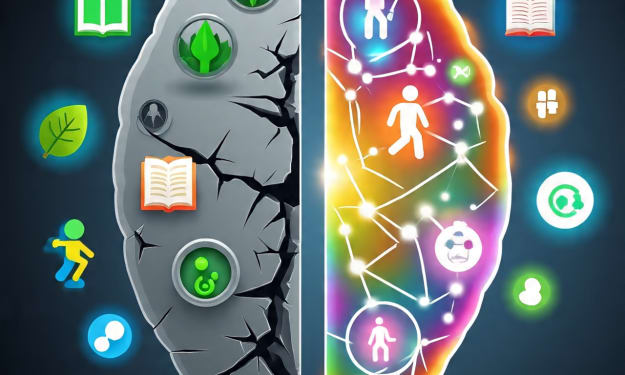
How Can We Reduce the Ageing of Our Brain.
When my grandfather turned 85, we threw him a small party. Cake, candles, laughter—typical stuff. But in the quiet moment after the crowd had thinned, he looked at me and said, “I just wish my mind was still as sharp as my sense of humor.” That line stayed with me. As someone in their 30s constantly juggling tabs—on my browser and in my brain—I started wondering: Is it possible to reduce the ageing of our brain? Or is mental decline just the price of growing old? The more I dug, the more hopeful I became. The brain, it turns out, is remarkably resilient. While aging is inevitable, brain ageing doesn’t have to mean cognitive decline. In fact, with the right tools, habits, and mindset, we can slow down—or even reverse—some of the effects of brain ageing. Here’s what I discovered, and what I’ve started practicing myself. --- 🧠 1. Move Your Body, Sharpen Your Mind Exercise isn’t just for your abs—it’s brain fuel. Aerobic activity increases blood flow to the brain, helps grow new neurons, and improves memory. A 2011 Harvard study showed that walking briskly for just 30 minutes a day can literally reshape the hippocampus—the part of the brain responsible for memory. After reading that, I laced up my sneakers and made morning walks non-negotiable. Now, I not only feel more alert, but my ability to focus has noticeably improved. --- 🥦 2. Feed Your Brain What It Craves You are what you eat, and so is your brain. Diets high in sugar and processed food have been linked to faster cognitive decline. Meanwhile, diets like the MIND Diet (a hybrid of the Mediterranean and DASH diets) have been shown to reduce the risk of Alzheimer’s by over 50%. So, I made the switch: blueberries, leafy greens, fatty fish, olive oil, and nuts now fill my plate. I still sneak a cookie here and there, but my brain thanks me every time I pass on fast food. --- 🧩 3. Stay Curious. Learn Something New. Neuroplasticity—the brain's ability to rewire and adapt—doesn’t stop in your twenties. The more we challenge our minds, the stronger they stay. I took up learning a new language on Duolingo. At first, it was frustrating. But over time, I noticed not just progress in Spanish, but a quicker memory and better mental flexibility in general. Whether it’s picking up the guitar, solving puzzles, or reading non-fiction, mental stimulation is the gym your brain needs. --- 🛏️ 4. Sleep: Your Brain’s Reset Button If you’re sacrificing sleep for productivity, you’re playing a dangerous game. Sleep isn’t just rest—it’s when the brain clears waste, consolidates memories, and resets for the next day. I used to pride myself on being a night owl. Now, I protect my 7-8 hours of sleep like it’s sacred. No caffeine after 2 p.m., screens off by 10, and I wake up feeling sharper, more grounded. --- ❤️ 5. Social Connection Isn’t Optional Loneliness doesn’t just break hearts—it damages brains. Studies have shown that strong social ties can reduce the risk of dementia by up to 60%. During the pandemic, I realized how easy it is to isolate. Now, I make time for connection—calling my parents, joining a book club, even just chatting with neighbors. The brain thrives on meaningful interaction. --- ✨ Final Thoughts: It’s Never Too Late Brain ageing is real, but it’s not a life sentence. Like muscles, the brain responds to use, care, and challenge. My grandfather, by the way, started doing Sudoku puzzles and walking daily after our chat. He says he feels “20% sharper and 100% more alive.” So, whether you’re 25 or 75, the time to start caring for your brain is now. With each healthy choice, you’re not just adding years to your life—you’re adding clarity, joy, and vitality to your mind. Because a youthful brain doesn’t just remember more. It lives more.
By Azmat Roman ✨about a year ago in Longevity
Why Micro-Moments Are the New Battleground for Self-Care
Introduction In a world moving faster than ever, self-care has evolved—from extended spa days to bite-sized, meaningful micro-moments throughout our day. Want to wake up more energized, reduce stress, or squeeze in mindfulness? Forget the weekend retreats and grab a two-minute midday breath. Today, self-care is in the details, not the downtime. In this article, discover what micro-moments are, why they're trending, and how to make them work for you—whether you're stuck in meetings, chasing deadlines, or craving calm in a chaotic world. --- What Are Micro-Moments? “Micro-moments” are short, intentional pauses—five seconds to five minutes—that give your mind a chance to rest and reset. Think: A two-minute breathing exercise after a tough call Reaching for a green plant and pausing to breathe deeply Standing to stretch after hours at your desk These moments aren't simply “breaks”—they’re tiny rituals that interrupt stress loops and signal to your brain, “It’s okay to slow down.” They are gaining popularity because they fit effortlessly into our busy schedules and they work. --- 🌥️ Why They’re Blowing Up Now 1. Modern burnout culture Millennials and Gen Z juggle remote work, hybrid schedules, caregiving, and a never-ending stream of notifications. Official paid breaks don’t cut it. We need on-demand rest—something we can activate anywhere, anytime. 2. Science-backed benefits Research shows that even brief mindfulness can lower cortisol (the stress hormone), improve attention, and spark creative thinking. It’s like powering up in short bursts—and the best part? You don’t need a cushion or fancy app. 3. Digital wellness trend With screen time at all-time highs, we’re craving quick, screen-free resets. Micro-moments are becoming the antidote to overstimulation. Plus, platforms like Vocal love short-form, high-impact pieces—perfect for showcasing how to weave these moments into everyday life. --- Five Powerful Micro-Moments to Practice 1. The Two-Minute Box Breathing Breathe in for 4 counts. Hold for 4. Exhale for 4. Hold for 4. Repeat twice. This technique, used by Navy SEALs and wellness coaches alike, resets your autonomic system instantly. 2. The Gratitude Flash For just 30 seconds, recall one thing you deeply appreciate—someone’s kindness, a good cup of tea, or a warm memory. It reboots your mood and fosters positivity. 3. The Desk Stretch Take 60 seconds to stand up and do simple stretches: shoulder rolls, neck tilts, wrist rotations. You’ll feel more focused and less tension in your body. 4. Nature Snapshot Pause, look outside, or briefly step onto your balcony. Observe clouds, trees, or sky. Nature instantly chills out your nervous system. No need for a hike—just a glance outside. 5. Aromatherapy Pause Keep a small essential oil roller (like lavender or eucalyptus) at your desk or in your pocket. Roll it on your wrists and inhale for a quick sensory reboot. --- Tips for Making Micro-Rituals Stick Anchor them to routines: After you pour coffee, take your gratitude flash. Before you start Zoom, take a breath. It’s easier to habit-stack than to create something entirely new. Reminders aren’t cheating: Set timer reminders or phone alerts. Or use screen-free cues—like a sticky note on your monitor. Track them casually: Use a paper planner or a simple habit tracker app. Even marking a “✔” helps strengthen the habit loop. Celebrate consistency: The power lies in repetition. After a week of daily micro-moments, pause to notice small differences: calmer mornings, fewer headaches, sharper focus. --- Micro-Moments and Vocal Media: A Perfect Match Vocal readers crave actionable lifestyle tips: Show them how 2-minutes can shift their day. SEO and discoverability: This topic nails search terms like “micro self-care tips” and “quick stress relief.” Highly shareable format: Break the article into listicle-style sections for easy reading. Include a how-to guide, personal anecdotes, and expert quotes (you can add them later). Monetization potential: Suggest simple wellness products like a portable roller or mindfulness journal—Vocal lets writers include affiliate links. Just stay authentic! --- A Daily Micro-Moment Routine Example Time Moment Goal 8:15 AM Gratitude flash after coffee Start day positively 10:30 AM Box breathing after first meeting Reset stress before lunch 1:00 PM Desk stretch after lunch Re-energize body and mind 3:30 PM Nature snapshot at balcony Mid-afternoon refresh 5:45 PM Aromatherapy pause before end of day Transition from work mode --- Final Takeaway Self-care doesn't have to be a big commitment—it can be a gentle whisper amid life’s clamor. These micro-moments are simple, yet profoundly effective. They help you recharge, refocus, and thrive—without disrupting your rhythm. Over time, you may find that those tiny rituals don't just brighten your day—they transform it. So grab your favorite aromatic roller, scribble a “thank you” in a notebook, or take a breath right now. Then share the magic: write your surprising wins with micro-moments on Vocal Media and start earning—because meaningful, bite-sized self-care is just as valuable online as it is in your day.
By Junior Abdulabout a year ago in Longevity