lifestyle
Living your life - the health and wellness way.
Rolex and Philanthropy
When you think about Rolex, most likely you think of luxury, elegance, and accuracy. The brand has another side, though, that doesn't often generate news coverage. Underlying the famous timepieces is a goal of world improvement. Rolex is a tool for good change in education, conservation, and cultural preservation as much as a luxury timepiece producer. Let's examine carefully how Rolex's charitable activities are transforming the future and supporting local communities.
By saman siddique2 years ago in Longevity
The Ultimate Guide to Weight Loss Tools: Apps, Wearables, and Online Support Groups
Introduction Losing weight can be a challenging and often frustrating journey. However, the right tools can provide structure, motivation, and support, making your path to a healthier lifestyle much smoother. With advances in technology, we now have access to powerful apps, wearables, and online communities designed to help you stay on track.
By Charles Funk2 years ago in Longevity
Health Benefit of Vital Proteins Collagen Peptides Powder - Grass Fed Collagen Peptides for Hair, Nail, Skin, Bone & Joint Health,
Introduction In the quest for vibrant health and youthful beauty, Vital Proteins Collagen Peptides Powder stands out as a powerhouse supplement. Derived from grass-fed collagen, this product supports everything from hair, nail, and skin health to bone and joint wellness. With its clean, high-quality ingredients, it has become a popular choice for both men and women looking to enhance their overall well-being naturally.
By Md Obydur Rahman2 years ago in Longevity
6 Fun Facts About Calcium-Rich Foods: Effortlessly Add Calcium, Start Your Hardcore Life Here!
Calcium? It's the superstar in our bodies! From bones to nerves, from muscle contractions to heartbeats, it's everywhere, supporting the show. Today, let's uncover the daily lives of these calcium-rich foods and teach you how to make calcium exciting—no, not boring, I promise it'll be more interesting than doing homework!
By Anthony Davis2 years ago in Longevity
Beyond the Horizon: Chronicles of the Everlasting
In the annals of human history, few inventions have held the power to reshape the very fabric of existence. Among these, the "Everlasting Horizon" treatment stands as a testament to the boundless potential of human ingenuity and the relentless pursuit of transcending natural limits. This revolutionary breakthrough, born from the confluence of nanotechnology and genetic engineering, promises not only to extend life but also to redefine the essence of humanity itself.
By Alain SUPPINI2 years ago in Longevity
Stress Relief with Anxie-T: A Natural Supplement for a Calm and Focused Mind
Introduction In today’s fast-paced world, managing stress has become an integral part of maintaining overall well-being. The constant demands of modern life can leave us feeling tense, nervous, and mentally drained. This is where Anxie-T, a natural stress relief supplement, steps in to offer a helping hand. Designed to support mood, mental focus, and relaxation, Anxie-T incorporates a blend of scientifically-backed ingredients, including Ashwagandha, Kava Kava, Theobromine, GABA, and L-Theanine. This article will explore the benefits of Anxie-T and how its ingredients work synergistically to promote stress relief.
By Md Obydur Rahman2 years ago in Longevity
30 Days Without Sugar and Carbs
If you are a month without sugar and carbohydrates, you will want to try different things. We all eat sweet things, and we all eat carbohydrates as rice and bread. But do you know what is so good for your body if you do not eat these things for a month? Let's talk about it simply.
By Rohitha Lanka2 years ago in Longevity
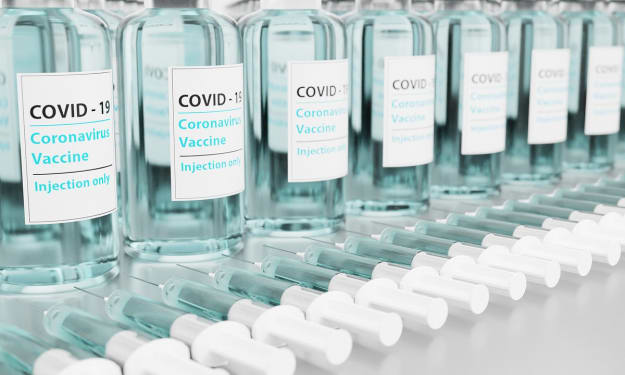
How Mild COVID-19 Impacts Heart Health: What New Research Reveals
Even mild cases of COVID-19 might have a lingering effect on heart health, according to recent research. A study from Brazil highlights how the virus could temporarily disrupt the body’s ability to regulate heart rate, with effects lasting up to six months particularly in older adults. Let’s break down what this means and why it matters. Understanding Heart Rate Variability (HRV) Heart rate variability (HRV) measures the slight changes in time between each heartbeat. A higher HRV typically signals a healthy, adaptable heart that can respond well to stress. It reflects how well the autonomic nervous system the part of the body that controls involuntary functions like breathing and heart rate is working. This system has two branches:Sympathetic (“Fight or Flight”): Activates during stress or danger.Parasympathetic (“Rest-and-Digest”): Helps the body relax and recover. When these systems are balanced, the heart responds smoothly to challenges. But infections like COVID-19 might throw this balance off. The Study: Tracking COVID-19’s Impact Over Time Researchers from Brazilian universities compared adults who had mild COVID-19 with healthy individuals who hadn’t been infected. Here’s how the study worked: Participants: 130 adults were divided into four groups: Group 1 (G1): Tested 1–6 weeks after recovery. Group 2 (G2): Tested 2–6 months after recovery. Group 3 (G3): Tested 7–12 months after recovery. Control Group (CG): Healthy individuals assessed before the pandemic. All COVID-19 survivors had mild symptoms (e.g., cough, fatigue, loss of taste/smell) and didn’t require hospitalization. People with chronic conditions like heart disease or diabetes were excluded. Key Findings: How COVID-19 Affects Heart Health Short-Term Effects (1–6 Months Post-Infection) Reduced HRV: Both G1 and G2 showed lower HRV compared to the control group, indicating their autonomic nervous systems were under stress. Sympathetic Dominance: These groups had higher “fight or flight” activity, linked to faster heart rates and reduced recovery ability.Persistent Symptoms: G1 reported more fatigue, anxiety, and headaches, with 35% having high blood pressure and 41% obesity factors that may worsen HRV. Long-Term Recovery (7–12 Months Post-Infection) Improvement in G3: By 7–12 months, HRV levels began to normalize. This group showed better parasympathetic activity (“rest-and-digest”) and lower stress signals. Age Matters: Older adults experienced slower recovery. For every year of age, HRV recovery time increased slightly. Other Risk FactorStress, obesity, and high blood pressure were linked to poorer HRV outcomes. Vaccination status didn’t significantly impact results, though most unvaccinated individuals were in G1 (early recovery group). Why Does This Happen? COVID-19 is known to cause inflammation, which might disrupt nerve function or damage tissues involved in heart rate regulation. Even after the virus clears, the body’s stress response could remain heightened, especially in older adults or those with pre-existing conditions. What Does This Mean for Long-Term Health? While the study suggests most people recover within a year, the temporary drop in HRV highlights the importance of monitoring heart health post-COVID. Reduced HRV is associated with higher risks of heart disease, anxiety, and fatigue. For vulnerable groups like older adults this could mean: Longer recovery times. Increased need for lifestyle adjustments (e.g., stress management, exercise). Limitations and Future Research This study had a small sample size and didn’t track the same individuals over time. Larger, long-term studies are needed to confirm: How variants or repeat infections affect HRV. Whether lifestyle changes (e.g., meditation, aerobic exercise) speed up recovery. The role of medications in managing post-COVID heart health. Practical Takeaways 1.Monitor Symptoms: If you’ve had COVID-19, watch for dizziness, palpitations, or prolonged fatigue. 2.Prioritize Recovery: Gentle exercise, quality sleep, and stress reduction (e.g., yoga, deep breathing) may support autonomic balance. 3.Consult a Doctor: Those with high blood pressure, obesity, or heart concerns should seek personalized advice. Conclusion Mild COVID-19 can temporarily disrupt the body’s ability to regulate heart rate, with effects lasting several months. However, most people regain normal function within a year. Older adults and those with chronic health issues should be especially mindful of their recovery. As research evolves, these insights remind us that even mild infections deserve attention and that supporting overall health remains key. Further studies will help clarify how to best protect heart health in a post-pandemic world. For now, staying informed and proactive is a great first step.
By Akrang Raja 2 years ago in Longevity
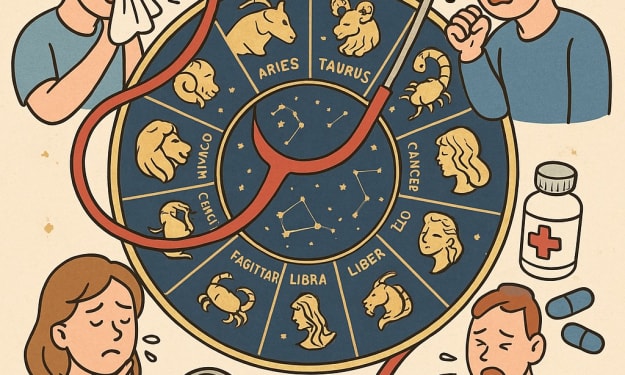
Your Zodiac Sign Might Be Why You’re Sneezing: Science Accidentally Backs Astrology
Is Your Zodiac Sign Giving You Allergies? Science Says Maybe—The Stars Say “Obviously” If you've ever blamed Mercury in retrograde for your ex texting you or your coffee machine breaking down, you're going to love this: scientists have now given you another cosmic excuse—your birth month might actually be the reason you're sneezing, wheezing, or low-key developing heart problems.
By JAMES TACHYON2 years ago in Longevity