health
Keeping your mind and body in check - popular topics in health and medicine to maintain a long and healthy life.
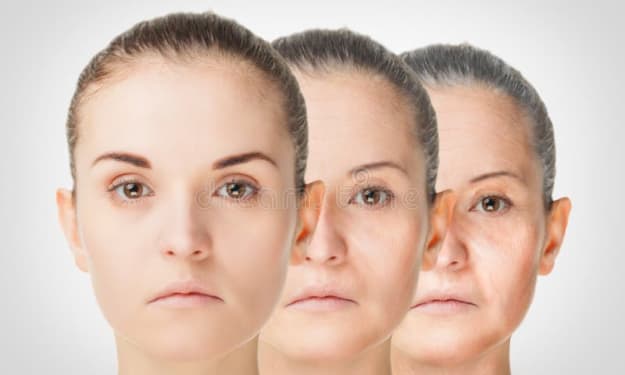
How to Overcome Aging: The Modern Science of Staying Young Longer. AI-Generated.
Introduction: The Age of Ageless Living Once upon a time, aging was seen as a slow surrender — wrinkles, fatigue, and fading dreams. But in today’s world, aging has transformed into something else entirely. Scientists, longevity experts, and wellness enthusiasts are all asking the same question: Is it possible to overcome aging? The truth is, you can’t stop the clock, but you can absolutely slow its impact. Aging gracefully isn’t about denying your years — it’s about mastering them. Let’s explore how modern science, nutrition, and mindset are rewriting the rules of time. 1. The Science of Slowing Time In the last decade, researchers have uncovered groundbreaking discoveries about the aging process. Aging happens because of cellular damage, oxidative stress, and telomere shortening — basically, your cells wear out as they divide. But here’s the good news: Studies from Harvard and Stanford suggest that lifestyle changes can reverse cellular aging. Regular exercise, quality sleep, and a plant-rich diet can lengthen telomeres, the DNA caps that protect your cells. Tip: Add antioxidant-rich foods like blueberries, spinach, and green tea to your daily routine. They help fight free radicals — the microscopic culprits behind aging. 2. Nutrition: The Fountain of Youth Is in Your Kitchen Forget expensive creams for a moment — your real anti-aging power starts on your plate. The Mediterranean diet, which focuses on olive oil, fish, nuts, and fresh vegetables, has been linked to longer life expectancy and sharper cognitive function. Omega-3 fatty acids from salmon or chia seeds help maintain skin elasticity and brain health. Meanwhile, limiting processed sugars prevents premature wrinkles and inflammation. Pro Tip for Premium Readers: Swap your morning cereal with a smoothie made of kale, avocado, and berries. It’s not just trendy — it’s time-reversing. 3. Move to Stay Young It’s no surprise that movement equals longevity. According to research from the British Journal of Sports Medicine, just 150 minutes of moderate activity per week can extend your lifespan by years. But not all exercises are created equal. Strength training maintains muscle mass and bone density, while yoga and Pilates enhance flexibility and reduce stress hormones. Even walking 30 minutes daily can lower your risk of heart disease and Alzheimer’s — two conditions closely tied to aging. 4. The Mindset Factor: Think Younger, Live Younger One of the most underrated secrets to overcoming aging lies in your mindset. Studies have shown that people who believe they’re younger than their actual age often live longer and healthier lives. This isn’t magic — it’s psychology. Optimism reduces stress, and stress is a major accelerator of aging. Try this: Start your mornings with gratitude journaling or a positive affirmation. Something as simple as “I’m becoming better every year” can shift your brain chemistry toward vitality. 5. Sleep: Your Natural Anti-Aging Pill Sleep isn’t just rest — it’s restoration. When you sleep, your body repairs DNA damage, balances hormones, and releases growth factors that rejuvenate skin and muscles. According to the National Sleep Foundation, adults who sleep 7–9 hours regularly have lower risks of obesity, diabetes, and early aging. So, skip late-night scrolling. Think of sleep as your most affordable luxury skincare. 6. The Role of Technology and Modern Longevity Science From biohacking to supplements like NMN (nicotinamide mononucleotide), technology is changing how we view aging. Longevity clinics in the USA and UK are already experimenting with genetic testing and personalized nutrition to help people live beyond 100 — not just longer, but better. Wearable devices like Oura rings and Apple Watches now track biological age, helping users monitor stress, recovery, and sleep quality. The future of aging is personal, data-driven, and surprisingly achievable. 7. Emotional Health: The Hidden Key to Ageless Living You can have perfect skin and a toned body, but without emotional balance, the signs of stress will show. Connection, love, and laughter have a measurable effect on aging biomarkers. Research shows that strong social relationships can increase lifespan by up to 50%. That’s more powerful than exercise or diet alone. So call a friend, hug your partner, and invest in relationships that make you feel alive. Conclusion: You Can’t Stop Time — But You Can Redefine It Aging is inevitable, but decline is optional. The secret to overcoming aging lies in small, consistent choices — nourishing your body, calming your mind, and embracing life with purpose. Remember, the goal isn’t to live forever — it’s to live fully. Every day you move with intention, eat with mindfulness, and think with optimism, you are defying the limits of time. Because overcoming aging isn’t about escaping years — it’s about mastering them.
By Sajjad Ali10 months ago in Longevity
Taming The Nervous System: My Experience with Vagus Nerve Stimulation as a Novel Approach to Chronic Stress . AI-Generated.
Introduction: When Anxiety Becomes a Permanent Biological State In a world defined by its relentless velocity, anxiety has ceased to be a transient visitor—the quickened pulse before a storm or the sharp intake of breath before a fall. Instead, it has hardened into a permanent biological imprint, an indelible script written into the very marrow of the nervous system. When the mind continues to broadcast sirens into the silence of a safe room, the body becomes ensnared in a state of terminal vigil. Here, the surge of cortisol and adrenaline is no longer a strategic response to crisis but a corrosive baseline, a flood tide that refuses to ebb.
By Mohammad Hammash10 months ago in Longevity
The 5 Best Teas to Drink for Better Blood Sugar, According to Dietitians
If you’re living with diabetes, you likely spend a lot of time planning what goes on your plate. But what about what you pour into your glass or mug? Drinks are easy to overlook. Yet, they can also have a big impact on your blood sugar. On the flip side, not drinking enough can also be a problem, as dehydration may contribute to high blood sugar. Luckily, there are plenty of blood sugar–friendly beverages out there. One of our favorite sugar-free beverages is tea, which happens to be the second most popular beverage in the world after water. Tea offers loads of health benefits, and better blood sugar is one of them. With all the different types of teas to choose from, you may be wondering which are the best ones to drink for blood sugar management. To find out, we asked dietitians. Here’s what they told us. 1. Green Tea Delicate, earthy green tea is consistently linked to a host of health benefits, including better blood sugar. In fact, research has found that it may help reduce fasting blood glucose and improve insulin sensitivity in people with diabetes.1 What makes it so effective? “The gut houses trillions of microbes that influence blood sugar levels,” says Kimberley Rose-Francis, RDN, CDCES, LD, a registered dietitian and certified diabetes educator in private practice in Florida. “An imbalanced gut microbiota can lead to decreased glucose tolerance and insulin resistance. Green tea is rich in polyphenols, which are small plant-based compounds associated with various health benefits, including improvements in gut health.
By Good health to everyone10 months ago in Longevity
Ayurveda expert explains how jamun seed powder helps control blood sugar naturally
Most of us enjoy jamun and throw away the seeds without a second thought. But in traditional medicine, those discarded seeds are actually the most valuable part. For people struggling with fluctuating blood sugar levels, sugar cravings, frequent urination, or low energy, jamun seed powder has quietly been used for generations as a remedy. In Ayurveda, diabetes is referred to as Madhumeda, a condition linked to excess sugar and metabolic imbalance. Jamun is believed to help correct this at the root. When used correctly and consistently, jamun seed powder may support better sugar control, metabolism, and overall diabetic symptom management. How can jamun lower blood sugar levels?
By Good health to everyone10 months ago in Longevity
Fruits that help control blood sugar in diabetes: Pears, cherries and more
Under medical advice and popular belief, fruit has often been looked at with suspicion in the case of diabetes. Its natural sweetness, sugars in sight and association with desserts have made many to think that fruit consumption is a sure way to worsen blood glucose levels. Such a view has influenced the kind of food people eat, and in some cases, even resulted in the disallowing of fruit. However, type 2 diabetes rates are still going up, and this iscalling for a relook at the foods we eat daily and their actual effects on the metabolism. Nutritional science advancements are already disproving these arguments by showing that whole fruits and refined sugars are very different. Fibre, plant compounds and food structure come from the fruit, and they all help with glucose absorption and processing. This has led to the fact that fruit is not a risk factor in the diet but rather a possible source of more stable blood sugar if chosen and consumed properly.
By Good health to everyone10 months ago in Longevity
There’s Something About a Run in the Rain
…I don’t just wish you rain, Beloved — I wish you the beauty of storms… ― John Geddes About a mile and a half from the trailhead where my car was, I got caught in a storm. It was cloudy all day, but the weather wasn’t calling for rain for a few more hours. As many runners often mistakenly do, I thought I had plenty of time to get in my run. Unfortunately, Mother Nature didn’t pay attention to the forecast and decided she needed to show up a couple of hours early.
By Jeff Barton10 months ago in Longevity
7 Effective Tips on How to Care for Your Feet in Winter
Winter is a challenge for the skin and the health of your feet. Cold, dampness, temperature fluctuations, tight and warm shoes, and a lack of care can lead to dry skin, cracks, calluses, fungal infections, and even foot pain. Many people focus on their face and hands and forget that their feet need just as much care in winter. In this article, we have gathered seven essential winter foot care tips to help you keep your feet beautiful and healthy.
By Amelia Grant10 months ago in Longevity
Benefits of Himalayan salt bricks in different aspects of human life
Salt bricks have become increasingly popular in the past few years not only for being visually appealing but also for the unlimited amount of benefits that they bring to human lives from many aspects. These bricks are composed of pure and mineral-laden salt unearthed from these very foothills where the mighty Himalayan ranges extend. There’s a reason that they are pink—that owes itself to trace minerals (magnesium, potassium, and calcium) found in the salt and also gives them their pretty cool look while nestled in your grinder. In a world where people are looking for natural additions to improve their diet. cor of their homes and overall health, Himalayan salt walls have become an ideal choice, providing beauty and function in one application.
By Emily Rosie10 months ago in Longevity
The Bright Light of Yoga
My earliest memories already carry the imprint of anxiety and depression—right at the beginning of what I can recall. The beginning of memory itself, which, contrary to ancient yogic traditions, is often taken to be what makes me me. Yet I am not my panic, nor am I a perpetual knot of anger. Experience is transient by nature, and if it is to pass cleanly across the moving river of now, we must learn to release it. We must learn to shape, rather than be ruled by, our inner landscape.
By Squeeze D' Avocado10 months ago in Longevity