health
Keeping your mind and body in check - popular topics in health and medicine to maintain a long and healthy life.
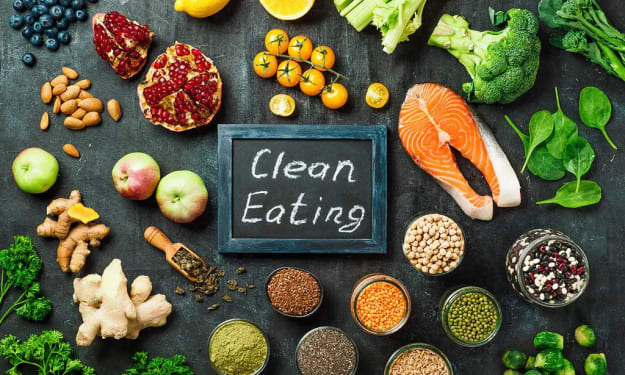
7 Tips on How to Build a Clean Eating Grocery List
Let’s face it—life can get busy. Between work, family, and everything in between, the thought of eating clean, nourishing meals can feel like an impossible task. Grocery shopping alone can be a chore, and the idea of meal planning, cooking from scratch, and sticking to healthy eating goals can sometimes feel overwhelming. But here's the good news: you don’t have to be a meal-prep guru or spend hours at the stove to eat clean. Whether you’re filling your own grocery cart or getting a little help from a meal kit service, building a clean eating routine has never been easier—or more delicious.
By Future of Resilience 2 years ago in Longevity
Best Targeted Workouts for Legs, Arms & Core at Home + How Fitness Apps Can Supercharge Your Routine
Let’s face it: life can get busy. Between work, family, and everything in between, making time for the gym can feel like an impossible task. But here’s the good news: you don’t need a gym membership, fancy equipment, or even a lot of time to get an effective workout. With just your body weight, a bit of space, and some dedication, you can build sculpted legs, toned arms, and a strong core—all from the comfort of your own home.
By Future of Resilience 2 years ago in Longevity
Breast Asymmetry Solutions
Breast asymmetry is a common condition where the two breasts differ in size, shape, or position. While it is natural for breasts to have some degree of asymmetry, significant differences can affect a woman's confidence and self-esteem. In this article, we explore the various causes of breast asymmetry and the different correction methods available to restore balance and enhance breast aesthetics.
By Nazmi Baycin2 years ago in Longevity
How Three Moms Turned Their Side Hustles Into Full-Time Businesses
As busy and demanding as running a business while juggling family demands gets, it is certainly even more challenging for the mums who start it small before growing into a fully fledged one. Many start as passion or a source of household income but would grow into full businesses as well with perseverance, smart strategy, and lessons learned.
By Usman Zafar2 years ago in Longevity
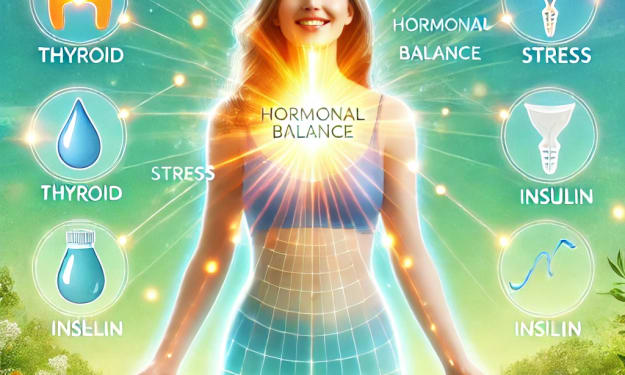
Unlocking Weight Loss: How HB5 Targets Hormonal Imbalances for Effective Results
Disclaimer: This article was generated with the assistance of AI and contains affiliate links. If you click on these links and make a purchase, we may earn a small commission at no additional cost to you.
By Charles Funk2 years ago in Longevity
The Path to Longevity: Unlocking the Secrets of a Healthier, Longer Life
In our fast-paced modern world, the pursuit of longevity has become a universal goal. While the idea of extending life might seem like a distant dream, scientific research has revealed that adopting healthy habits can significantly impact our lifespan and overall quality of life. From understanding the role of genetics to mastering stress management, the journey to a longer, healthier life is a fascinating blend of science, discipline, and self-care. The Foundation of Longevity Understanding Genetics and Longevity Our genetic makeup plays an essential role in determining how long we might live. While we can't change our genes, understanding hereditary predispositions can help us make informed lifestyle choices. For instance, knowing whether your family has a history of certain diseases can prompt proactive health measures like regular screenings or specific dietary adjustments. Lifestyle Adjustments to Complement Genetics Although genetics provide the foundation, lifestyle choices significantly influence how those genetic factors manifest. Regular exercise, a balanced diet, and avoiding harmful habits such as smoking can offset genetic risks and boost overall longevity. Nutrition: The Cornerstone of Health The Role of a Balanced Diet Nutrition is often considered the most critical factor in extending life. Diets rich in whole foods, such as fruits, vegetables, lean proteins, and whole grains, provide essential nutrients and antioxidants that combat aging. Exploring Longevity Diets Several cultures worldwide have developed diets known for promoting longevity. The Mediterranean diet, for instance, emphasizes healthy fats, fresh produce, and moderate consumption of wine. Similarly, the Okinawan diet from Japan focuses on plant-based foods and smaller portion sizes, contributing to the island's reputation for a high percentage of centenarians. The Power of Physical Activity Exercise as a Pillar of Longevity Regular physical activity keeps the body strong, reduces the risk of chronic diseases, and improves mental health. Experts recommend a combination of aerobic activities (like walking or swimming), strength training, and flexibility exercises to maintain optimal health as you age. Finding the Right Routine The key to a successful exercise regimen lies in consistency and enjoyment. Choose activities that fit your lifestyle and preferences, whether it’s yoga, cycling, or dance. Mental Health and Stress Management The Impact of Stress on Longevity Chronic stress can lead to serious health issues, including heart disease, depression, and a weakened immune system. Learning to manage stress effectively is crucial for a longer life. Techniques for Stress Reduction Mindfulness practices, such as meditation and deep breathing, can help regulate stress levels. Engaging in hobbies, spending time in nature, and fostering positive relationships are additional ways to improve mental well-being. The Role of Social Connections Building Strong Relationships Humans are inherently social creatures, and maintaining meaningful relationships is vital for longevity. Studies show that individuals with strong social networks are more likely to live longer, healthier lives. The Science Behind Social Interactions Social connections contribute to mental health, reduce stress, and even improve immune function. Regular interaction with family, friends, and community groups can foster a sense of belonging and purpose. Sleep: The Underrated Factor The Importance of Quality Sleep Sleep is the body’s natural repair mechanism, and getting enough rest is essential for longevity. Poor sleep can lead to various health problems, including heart disease, obesity, and cognitive decline. Tips for Better Sleep Create a bedtime routine, avoid screens before bed, and maintain a consistent sleep schedule. A dark, quiet, and comfortable sleeping environment also contributes to restorative rest. Cultural Practices That Promote Longevity Learning from the Blue Zones Blue Zones are regions where people consistently live longer than average. These areas, including Sardinia, Okinawa, and Loma Linda, share common habits like plant-based diets, regular physical activity, and strong community ties. Incorporating Global Practices Adopting elements from these cultures, such as mindful eating, prioritizing family time, or incorporating spirituality, can help promote a balanced and fulfilling life. The Connection Between Purpose and Longevity Finding Your Ikigai In Japanese culture, ikigai refers to one’s reason for being or purpose in life. Having a sense of purpose has been linked to lower rates of depression and longer lifespans. Ways to Cultivate Purpose Engage in activities that bring joy, set meaningful goals, and give back to the community. A sense of purpose can motivate healthier lifestyle choices and provide emotional resilience. Conclusion Summarizing Key Takeaways Longevity is not about quick fixes or miracle solutions but rather a holistic approach that combines healthy habits, emotional well-being, and strong social connections. By focusing on nutrition, exercise, stress management, and meaningful relationships, you can create a foundation for a longer, healthier life. Encouragement to Take Action Your journey toward longevity begins with small, consistent changes. Embrace a holistic lifestyle, listen to your body, and celebrate the progress you make. Remember, every step you take toward better health is a step toward a longer, more fulfilling life. Frequently Asked Questions (FAQs) Q: Can genetics alone determine how long I’ll live? A: Genetics play a role, but lifestyle choices have a significant impact. Adopting healthy habits can influence your lifespan and overall well-being. Q: What are the best exercises for longevity? A: A combination of aerobic exercises, strength training, and flexibility activities is ideal. Choose activities you enjoy to maintain consistency. Q: How do social connections influence longevity? A: Strong social ties improve mental health, reduce stress, and enhance immune function, all of which contribute to a longer life. Q: Can stress really shorten my lifespan? A: Yes, chronic stress can negatively affect your health. Learning to manage stress through mindfulness and other techniques is crucial. Q: Are there specific cultural habits that promote longevity? A: Yes, practices like the Mediterranean diet, regular physical activity, and strong community connections from Blue Zones can inspire healthier lifestyles.
By Mohamed Elbana 2 years ago in Longevity
Unlocking the Secrets of Longevity: How Genetics and Lifestyle Shape a Long Life
Introduction: The Timeless Pursuit of Longevity Longevity has always been a captivating topic for humanity. Throughout history, tales of mythical fountains of youth and eternal life have fueled our imaginations. While these myths remain elusive, modern science has brought us closer to understanding the factors that influence how long we live. One story that epitomizes the secrets of longevity is that of Jeanne Louise Calment. Born on February 21, 1875, in Arles, France, Calment lived an extraordinary life, passing away at the age of 122 years and 164 days. Her unparalleled lifespan remains a beacon of hope and curiosity for those seeking to unravel the mysteries of human longevity. Genetics: The Blueprint of Longevity At the heart of the longevity puzzle lies genetics—the biological blueprint that dictates much of our health and aging process. Our DNA determines how efficiently our bodies repair damaged cells, how resistant we are to age-related diseases, and even the pace at which we age. In the case of Jeanne Calment, scientists speculate that her unique genetic makeup may have contributed significantly to her long life. She appeared to possess: Resilient DNA Repair Mechanisms: Her cells could repair damage more effectively, reducing the likelihood of mutations and chronic diseases. Natural Immunity to Age-Related Conditions: Calment showed resistance to ailments like heart disease and dementia, which often shorten lifespans. While genetics can offer a head start, it’s important to remember that they are only part of the equation. Studies reveal that genetics account for approximately 25-30% of an individual’s lifespan. The remaining 70-75%? That’s where lifestyle comes into play. Lifestyle: The Daily Choices That Define Longevity If genetics set the stage, lifestyle is the script that determines how the story unfolds. A healthy lifestyle can mitigate genetic vulnerabilities and maximize the potential for a long, fulfilling life. Here are the key lifestyle factors that play a crucial role in longevity: 1. Nutrition: Fueling a Long Life A Balanced Diet: Consuming nutrient-dense foods like fruits, vegetables, whole grains, and lean proteins is critical. These foods provide essential vitamins, minerals, and antioxidants that combat cellular damage. Healthy Fats: Incorporating omega-3 fatty acids from sources like fish and nuts promotes brain health and reduces inflammation. Moderation: Avoiding excessive sugar, processed foods, and trans fats is equally important to prevent chronic diseases such as diabetes and cardiovascular issues. 2. Physical Activity: Keeping the Body Strong Regular exercise improves cardiovascular health, strengthens muscles and bones, and boosts mood. Activities like walking, yoga, or strength training can be tailored to individual abilities, ensuring consistency and enjoyment. 3. Stress Management: The Silent Key to Longevity Chronic stress accelerates aging by increasing inflammation and weakening the immune system. Practices like meditation, mindfulness, and spending time in nature can lower stress levels and promote mental well-being. 4. Sleep: The Body’s Natural Repair Mechanism Quality sleep is essential for cellular repair and hormone regulation. Adults should aim for 7-9 hours of uninterrupted sleep each night to optimize their body’s restorative processes. 5. Social Connections: The Power of Community Strong relationships contribute to emotional health and resilience. Studies have shown that individuals with close social ties live longer and experience less stress. Building a supportive community can enhance the quality of life at every stage. 6. Avoiding Harmful Habits: Smoking and excessive alcohol consumption significantly shorten lifespans by increasing the risk of cancer, heart disease, and liver conditions. Replacing harmful habits with healthier alternatives is a powerful step toward longevity. The Interplay Between Genetics and Lifestyle The relationship between genetics and lifestyle is a dynamic and intricate dance. Genetics may provide the foundation, but lifestyle choices often determine how those genetic predispositions manifest. For instance: An individual with a genetic predisposition to heart disease can reduce their risk by maintaining a heart-healthy diet and exercising regularly. Conversely, poor lifestyle choices can amplify genetic risks, leading to premature aging and chronic illness. Jeanne Calment’s life exemplifies this interplay. While her genetics may have endowed her with certain advantages, her active lifestyle, positive outlook, and low-stress attitude undoubtedly contributed to her extraordinary longevity. She once attributed her long life to laughter, olive oil, and a glass of port wine—a reminder that joy and moderation are as vital as discipline. Lessons from Longevity Pioneers Studying the lives of individuals like Calment offers invaluable insights: Adopt a Positive Mindset: A sense of purpose and joy in life can enhance emotional and physical well-being. Focus on Prevention: Regular health check-ups and proactive habits can detect and address potential issues early. Embrace Balance: Longevity is not about strict diets or grueling routines; it’s about finding harmony between health and happiness. The Science of Longevity: A Hopeful Future Advances in science and medicine continue to unlock new possibilities for extending human life. Innovations such as: Regenerative Medicine: Stem cell therapies to repair damaged tissues. Anti-Aging Technologies: Research into reversing cellular aging. Nutritional Genomics: Personalized diets based on genetic profiles. These breakthroughs may one day revolutionize how we approach aging, but the fundamental principles of longevity—balanced nutrition, regular activity, and meaningful connections—remain timeless. Conclusion: A Life Well Lived The secrets of longevity are not hidden in a single gene or miraculous elixir but in the choices we make each day. Jeanne Louise Calment’s life serves as a reminder that the path to a long, fulfilling life lies at the intersection of our genetic inheritance and our lifestyle habits. By embracing a holistic approach that nurtures both body and mind, we can unlock the tremendous potential of human longevity, ensuring that our days are not only long but also rich in purpose and joy. As you navigate your own journey, remember: the true measure of longevity isn’t just in the years we live but in the life we bring to those years.
By Mohamed Elbana 2 years ago in Longevity
From Transactions to Connections: The Power of Building a Community
Building a business can be fulfilling, but creating a community within that business can be life-changing. A community is more than a group of people with shared interests; it’s a source of support, inspiration, and collective growth. When businesses embrace community-building as a core value, they not only thrive but also create lasting impacts on people’s lives. Here’s an example of how shifting from a transactional mindset to a community-focused approach redefined one business: The Early Days: Transactional Beginnings When I opened my nutritional practice 11 years ago, I was excited about the possibilities. It was a straightforward operation—clients came in, received guidance, and left with tools to improve their health. My work involved: Consulting with clients and patients Delivering public speeches Teaching cooking classes Leading community discussions Writing and publishing two books These experiences were valuable. They allowed me to make a difference in people’s lives while honing my skills. But at its core, the practice was transactional. It was about exchanging services for payment. Something was missing—a deeper sense of connection and shared purpose. A New Direction: Building Bonds Through Shared Experiences Things changed when I decided to take my passion for nutrition and longevity beyond the clinic and into the world. I organized weeklong excursions to small villages in Italy, where people still embrace a lifestyle of longevity. These trips were about more than travel—they were immersive experiences that blended education, culture, and human connection. Here’s what happened during those excursions: Forming Personal Bonds: Traveling with a group fostered relationships that went far beyond the surface. I connected deeply with my travelers, and many of them formed lifelong friendships with each other. Creating Shared Experiences: People who started as strangers returned home as a tight-knit group, sharing stories, laughter, and lessons learned from the Italian lifestyle. Shifting Perspectives: Hundreds of participants experienced a shift in their understanding of longevity. By observing how locals lived, they redefined what it means to live long and live well. Many even adopted healthier habits inspired by the trip, though perfection was never the goal. Building a Supportive Community: Over time, a vibrant community of like-minded individuals emerged. These were people united by a shared interest in learning, travel, and personal growth. They respect and support each other, fostering an environment of encouragement and mutual care. Why Community Matters in Business Focusing on community transformed my business—and my life—in profound ways. It taught me that true impact comes from fostering connections, not just delivering services. Here’s why community-building is vital for any business: Deeper Client Relationships: Community creates a sense of belonging, turning clients into advocates and friends. They feel valued not just as customers but as individuals. Sustained Growth: A supportive community can amplify your message and broaden your reach. People who feel connected to your mission are more likely to spread the word and bring others along. Mutual Learning and Growth: Community members bring diverse perspectives and experiences, enriching the group as a whole. Businesses that embrace this diversity gain insights and ideas they might never have considered. A Lasting Legacy: Unlike a transaction, a community creates a ripple effect. It impacts not just the people directly involved but also their families, friends, and beyond. Lessons Learned Looking back, the shift from focusing solely on business transactions to building a thriving community was the most rewarding decision I ever made. It wasn’t just about offering services; it was about creating spaces where people could connect, learn, and grow together. The experience taught me some invaluable lessons: Start with Purpose: Clearly define what your business stands for and how it can bring people together. Prioritize Connection: Go beyond the surface and create opportunities for genuine interactions. Be Patient: Building a community takes time and effort, but the rewards are worth it. Embrace Vulnerability: Authenticity fosters trust, which is the foundation of any strong community. The Takeaway If you’re building a business, don’t stop there. Look for ways to create a community around your mission. Whether it’s through shared experiences, mutual learning, or simply bringing people together, the power of community can elevate your work to extraordinary heights. A business serves a purpose, but a community builds a legacy. By fostering connections, you not only enrich others’ lives but also create a more meaningful and fulfilling journey for yourself.
By Mohamed Elbana 2 years ago in Longevity
10 Signs You’re Not Drinking Enough Clean Water (And How to Fix It)
We’ve all heard it—"Drink more water!" It’s one of those classic pieces of health advice that gets repeated so often that it starts to sound like a broken record. But here's the thing: staying hydrated is actually one of the easiest, most effective ways to improve your overall well-being. And yet, many of us still don’t drink enough clean water, or worse, we drink the wrong kinds. So how do you know if you're properly hydrated—or if you’re on the brink of becoming a walking raisin? Read on to find out the telltale signs you might not be drinking enough clean water, along with tips to keep yourself hydrated and feeling great.
By Future of Resilience 2 years ago in Longevity