health
Keeping your mind and body in check - popular topics in health and medicine to maintain a long and healthy life.
Mind Over Matter
Mind Over Matter: Understanding the Mind-Body Connection in Healing In the realm of modern medicine, healing has often been viewed as a strictly physical process — prescribe the right medication, perform the right surgery, and the body should heal. But as we dive deeper into holistic health, science is increasingly revealing what ancient healing traditions have known for millennia: the mind and body are not separate. They are deeply, powerfully connected.
By Gabriela Toneabout a year ago in Longevity
Healing from Within
The Body’s Natural Ability to Heal Itself: Unlocking the Wisdom Within The human body is a masterpiece of biological engineering. Beneath the surface of skin, bone, and muscle lies an astonishingly complex system designed not only to survive but to *heal*. While modern medicine often takes center stage in our understanding of recovery, it's easy to forget that the body itself is inherently intelligent — equipped with mechanisms to repair, regenerate, and restore balance long before we intervene with pills, surgeries, or therapies.
By Gabriela Toneabout a year ago in Longevity
Healing Redefined
The Silent Symphony: What Body Healing Really Means When we hear the word "healing," most of us picture something straightforward: a cut scabbing over, a bone knitting back together, or maybe a sore throat easing after a few days. But these visible signs are just surface-level notes in a much deeper and more intricate symphony — the silent, often unseen orchestra of the body working to restore balance, integrity, and vitality.
By Gabriela Toneabout a year ago in Longevity
Lotus Root: The Underestimated Superfood . AI-Generated.
Hey foodies and wellness warriors! 🥢 Ever wondered why lotus root has been called the "aquatic treasure" in Chinese cuisine? This crunchy, hole-patterned veggie isn’t just a kitchen staple – it’s a nutritional powerhouse packed with benefits that’ll make your body and wardrobe thank you. Let’s dive into why this underrated veggie should be your new health BFF!
By Anthony Davisabout a year ago in Longevity
"Intensive lowering of blood pressure tied to lower dementia risk"
The Connection Between Blood Pressure and Brain Health The Relationship Between Blood Pressure and Health in the Brain Age, genetics, lifestyle, and especially cardiovascular health have all been linked to dementia, including Alzheimer's disease and other cognitive impairments. Hypertension, also known as high blood pressure, can cause damage to blood vessels all over the body, including those that supply the brain. This can result in reduced blood flow over time, which raises the risk of stroke, white matter lesions, and eventually cognitive decline.
By Israt jahan mimabout a year ago in Longevity
Modern Life and Hard Choices. AI-Generated.
In modern life, few fears loom as large as the fear of making a wrong decision. From career moves to relationships, from education to where we live, every major decision seems like a delicate house of cards. One misstep and it feels as if everything could collapse. Our culture, driven by the ideals of optimization and perfectionism, places an enormous emphasis on "getting it right" the first time. But what if wrong choices aren't just inevitable—they're essential?
By Ahmet Kıvanç Demirkıranabout a year ago in Longevity
Understanding Stubborn Fat: Why It’s So Hard to Lose and What You Can Do About It
Understanding Stubborn Fat: Why It’s So Hard to Lose and What You Can Do About It Disclaimer: This article includes insights generated using AI for clarity and educational purposes. It may also contain affiliate links, which means if you choose to make a purchase, we may earn a small commission at no additional cost to you.
By Charles Funkabout a year ago in Longevity
The Powerful Combination of Physical, Mental, Emotional, and Social Well-Being. AI-Generated.
In today's fast-paced, digitally connected world, well-being is often mistaken for just physical health. But true wellness is a synergistic blend of physical, mental, emotional, and social balance. Each of these aspects is interconnected, influencing how we feel, think, and interact with the world.
By Core Well Fitabout a year ago in Longevity
5 Delicious Fruits That Pack More Fiber Than a Bowl of Oatmeal. Content Warning. AI-Generated.
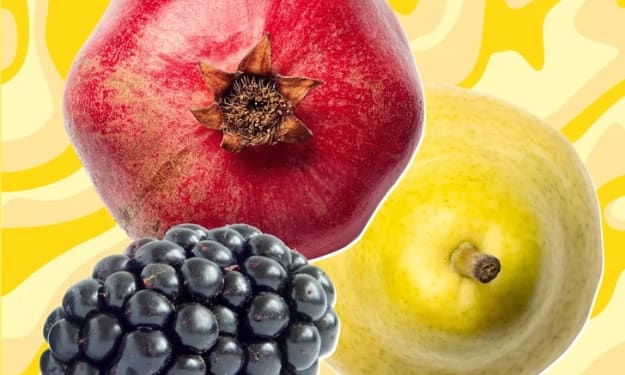
5 Delicious Fruits That Pack More Fiber Than a Bowl of Oatmeal When it comes to kickstarting your day with a healthy meal, oatmeal is a classic go-to. It’s hearty, filling, and rich in dietary fiber, making it a staple for many health-conscious eaters. But did you know that several fruits actually surpass oatmeal when it comes to fiber content? If you're looking to improve digestion, balance blood sugar, or simply boost your nutrient intake, fiber-rich fruits deserve a prime spot on your grocery list. In this article, we’ll break down five fruits that offer more fiber per serving than a bowl of oatmeal, while also exploring the health benefits and easy ways to enjoy them. Let’s dive in! Why Is Fiber Important for Your Health? Before we talk about fruits, it’s important to understand why fiber is so crucial for your overall health. Dietary fiber is a type of carbohydrate that the body can’t digest. While this might sound like a bad thing, it’s actually essential for maintaining a healthy digestive system. Fiber helps regulate blood sugar levels, supports heart health, promotes feelings of fullness (great for weight management), and can even help lower cholesterol. The USDA recommends that women aim for 25-28 grams of fiber daily, while men should target 31-34 grams. Unfortunately, most people fall short of these goals, making high-fiber foods all the more important. A half-cup of dry oatmeal typically provides about 4 grams of fiber. While that’s a solid start, the following fruits can deliver even more — all while offering a flavorful, nutrient-packed punch. 1.Avocado — The Creamy, Fiber-Packed Superfruit Most people associate avocados with healthy fats, but this green powerhouse is also a surprising source of dietary fiber. A whole avocado offers around 10 grams of fiber — more than double the amount in a standard bowl of oatmeal! Avocados are also rich in heart-healthy monounsaturated fats, potassium, and antioxidants, making them a multitasking superfood for gut health, heart function, and skin vibrancy. How to enjoy more avocado: - Add slices to your morning toast. - Blend into smoothies for extra creaminess. - Dice into salads or grain bowls. - Swap for mayonnaise in sandwiches. 2.Blackberries — Sweet, Tart, and Fiber-Rich If you’re looking for a fruit that packs serious fiber with minimal calories, blackberries are hard to beat. One cup of fresh blackberries contains approximately 8 grams of fiber — twice the fiber of oatmeal! In addition to fiber, blackberries are loaded with vitamin C, vitamin K, and a potent mix of antioxidants called anthocyanins, which help reduce oxidative stress and may lower the risk of chronic diseases. Easy ways to eat blackberries: - Toss them into Greek yogurt. - Blend into a smoothie. - Use them as a topping for pancakes or waffles. - Snack on them fresh! 3.Raspberries — A Berry Good Source of Fiber Raspberries are another fruit that outshines oatmeal in the fiber department. One cup of these vibrant red berries offers around 8 grams of fiber, along with a generous dose of vitamin C and powerful plant compounds that support immune health and inflammation control. Tasty raspberry ideas: - Stir into oatmeal or overnight oats. - Use as a natural topping for ice cream. - Bake into muffins or healthy desserts. - Add to salads for a burst of sweet-tart flavor. 4. Pears — The Juicy, Fiber-Filled Classic A medium-sized pear delivers about 6 grams of dietary fiber, especially if you eat the skin — where much of the fiber is concentrated. Pears are also hydrating and naturally sweet, making them a perfect snack on their own. Beyond fiber, pears contain antioxidants and anti-inflammatory nutrients that can promote heart and gut health, while keeping you feeling full longer. Simple ways to enjoy pears: - Slice and pair with cheese or nuts. - Dice into oatmeal or granola. - Roast with a drizzle of honey for a warm dessert. - Blend into smoothies for added sweetness and texture. 5.Pomegranate — Tiny Seeds, Big Fiber Punch Pomegranate seeds, also known as arils, are both juicy and nutrient-rich. One cup of these ruby-red gems delivers around 7 grams of fiber — making them a fun and crunchy way to boost your daily fiber intake. Beyond fiber, pomegranates are famous for their antioxidants, especially punicalagins, which may help reduce inflammation and lower the risk of heart disease. Creative pomegranate uses: - Sprinkle on salads for a burst of color and crunch. - Mix into yogurt or oatmeal. - Add to couscous, quinoa, or rice bowls. - Use as a garnish on desserts. The Bottom Line: Eat More Fiber-Rich Fruits for Optimal Health While oatmeal is certainly a nutritious breakfast option, it’s not the only (or even the best) way to reach your daily fiber goals. These five fruits — avocado, blackberries, raspberries, pears, and pomegranate — all deliver more fiber per serving than a typical bowl of oatmeal, along with vitamins, minerals, and antioxidants that help support your entire body. Incorporating a variety of fiber-rich fruits into your diet can improve digestion, balance cholesterol, regulate blood sugar, and even help you feel fuller for longer. Whether you’re looking to support heart health, shed a few pounds, or simply improve your nutrition, these fruits are a simple and delicious place to start. If fresh fruit isn’t always available, don’t worry — frozen options are just as nutritious and offer the same fiber benefits. No matter how you enjoy them, your gut (and your taste buds) will thank you.
By Tech Horizonsabout a year ago in Longevity
This Simple 60-Second Move Cleanses Your Lungs and Floods Your Body With Oxygen
Take a deep breath. No, really—do it right now. Inhale as far as you can. Exhale slowly. Feels good, right? Now here's the shocking truth: you probably only used about 70 to 80% of your lung capacity. That means 20 to 30% of your lungs are basically asleep—gathering dust (sometimes literally), underused, underappreciated, and underperforming.
By Rukka Novaabout a year ago in Longevity
New Harvard Study Reveals The Best Diets for Living a Longer, Healthier Life. Content Warning.
When it comes to living a long and healthy life, many people wonder if there’s a secret formula — and according to new research from Harvard University, the answer might be on your plate. A groundbreaking 30-year study conducted by researchers at the Harvard T.H. Chan School of Public Health sheds light on which diets are most strongly associated with not only extending your lifespan but also preserving your physical and mental well-being as you age. The study, recently published in JAMA Internal Medicine, tracked the dietary habits of more than 100,000 participants over three decades. Researchers carefully analyzed the long-term health effects of several popular dietary patterns, and the findings were striking: people who consistently followed healthy, plant-forward diets significantly improved their odds of reaching older age in good health — free of chronic diseases, physical limitations, and cognitive decline. Top Diets That Promote Healthy Aging Among the diets studied, a few stood out as the clear winners for promoting longevity and quality of life. These included the Alternative Healthy Eating Index (AHEI), the Mediterranean diet, and general plant-based dietary patterns. Alternative Healthy Eating Index (AHEI) Developed by nutrition experts at Harvard, the AHEI is designed to reflect current scientific understanding of nutrition and health. This dietary pattern encourages the consumption of whole grains, colorful fruits and vegetables, healthy plant-based oils, and nuts. It also recommends limiting sugar-sweetened beverages, red and processed meats, and refined grains. Participants who adhered to the AHEI showed a much higher chance of maintaining both physical and cognitive health into their later years, according to the study. Mediterranean Diet The Mediterranean diet has long been praised for its heart-healthy benefits, but Harvard's research shows it also plays a significant role in supporting healthy aging. This diet focuses on whole, unprocessed foods such as vegetables, legumes, fruits, whole grains, nuts, seeds, and healthy fats like olive oil. Fish and poultry are preferred over red meats, and dairy is usually consumed in moderation. Researchers found that participants following the Mediterranean diet experienced improved longevity and lower rates of age-related diseases, including cardiovascular conditions and neurodegenerative disorders. Plant-Based Diets Beyond specific named diets, the study highlighted the health advantages of plant-based eating in general. Diets that prioritize legumes, whole grains, vegetables, fruits, nuts, and seeds — while minimizing or eliminating animal products and ultra-processed foods — were linked to substantial increases in healthy life expectancy. Foods to Limit for Longevity While the focus of the Harvard study was on positive dietary patterns, it also emphasized the importance of avoiding harmful foods, especially ultra-processed products. These include items high in added sugars, artificial additives, and unhealthy fats — such as packaged snacks, processed meats, fast food, and sugary drinks. A high intake of ultra-processed foods has been linked to chronic diseases including heart disease, type 2 diabetes, and certain cancers, all of which can shorten both lifespan and quality of life. Reducing your intake of these foods is one of the most effective steps you can take toward healthier aging. The Planetary Health Diet: Good for You, Good for the Earth In addition to personal health benefits, the study also pointed toward the environmental advantages of adopting more plant-based, minimally processed diets. The so-called "Planetary Health Diet" — designed to both optimize human nutrition and reduce ecological damage — shares many features with the Mediterranean and plant-based diets. By focusing on plant proteins, whole foods, and sustainably sourced ingredients, this approach not only lowers the risk of chronic illness but also reduces greenhouse gas emissions and helps preserve natural resources. Practical Steps Toward Healthy Aging Through Diet Wondering how to apply this research to your own life? Here are a few practical ways to start eating for a longer, healthier future: Fill Half Your Plate with Vegetables and Fruits Aim for variety, especially colorful produce, to maximize nutrients and antioxidants. Choose Whole Grains Over Refined Grains Brown rice, quinoa, barley, and whole-wheat products offer more fiber and health benefits than white bread or pasta. Prioritize Plant-Based Proteins Legumes, beans, lentils, tofu, and nuts are all excellent protein sources that promote health and longevity. Cut Back on Ultra-Processed Foods Start by reducing sugary beverages, packaged snacks, and processed meats in your diet. Use Healthy Fats Swap butter and processed oils for olive oil, avocado, and nuts. Moderation is Key While the occasional indulgence won’t derail your health, long-term consistency matters more. Making healthy choices most of the time is the secret to success. The Bottom Line This Harvard study confirms what many nutrition experts have long believed: the food choices you make today can profoundly shape your future. Adopting a diet rich in whole plant-based foods and limiting ultra-processed products not only enhances your odds of living a longer life but also helps preserve your physical and cognitive health as you age. The best part? It’s never too late to start making changes. Small, consistent adjustments to your eating habits can lead to lifelong benefits — for both you and the planet.
By Tech Horizonsabout a year ago in Longevity
Why Consuming Too Much Protein May Be Bad for Your Health
At the moment, protein is everywhere. high-protein snacks. grains high in protein. Water with protein. We are informed that it is the key to longevity and vigor, but we are also cautioned that it may subtly harm our kidneys and decrease our lifespan.
By GOOD HEALTHabout a year ago in Longevity