health
Keeping your mind and body in check - popular topics in health and medicine to maintain a long and healthy life.
Green Tea Uncovered: Science-Backed Benefits, Hidden Limits & What Big Brands Don’t Tell You
For centuries, green tea has been revered in traditional medicine, but modern science is now uncovering the mechanisms behind its health effects—and its boundaries. While not a miracle cure, evidence shows it can be a valuable ally for cognitive function, metabolic health, and longevity when used strategically.
By Jacky Kapadiaabout a year ago in Longevity
Energy Drink Ingredient Taurine Linked to Blood Cancer Risk, Study Warns
A groundbreaking study has raised alarms about a common energy drink ingredient found in popular brands like Red Bull and Celsius. Researchers suggest that taurine, an amino acid added to boost energy and focus, may increase the risk of blood cancers such as leukemia. Published in the journal Nature, the findings urge consumers to rethink their habits and highlight the need for further research into taurine’s long-term effects.
By Akrang Raja about a year ago in Longevity
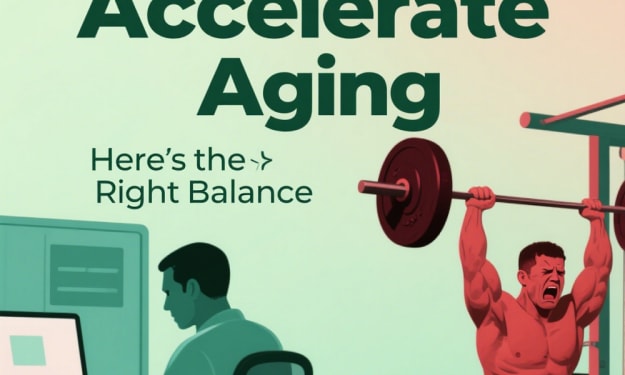
Too Much Sitting or Exercise Can Accelerate Aging – Here’s the Right Balance
When it comes to aging, both sitting too much and exercising too intensely might be speeding up the process. A recent study from Finland involving over 20,000 participants aged 18 to 50 found that physical activity levels are closely linked to biological aging and overall mortality risk.
By namkoong kevinabout a year ago in Longevity
Side Effects of Botox Around the Eyes
Side effects of botox around the eyes can vary from minor swelling to more concerning issues like drooping eyelids or vision disturbances. As more people search for the best botox doctor near me, understanding what could go wrong helps you make more informed and safer choices. Botox, while widely celebrated for its anti-aging effects, especially for crow’s feet and under-eye wrinkles, can sometimes produce unintended side effects. Before undergoing treatment, it’s crucial to weigh the benefits against the possible drawbacks so you can manage expectations and prioritize safety.
By john albertabout a year ago in Longevity
6 Health Issues That Can Impact Your Oral Health
When you visit your dentist for a checkup, they’re looking for more than just cavities or plaque. Your mouth can show signs of what’s going on in the rest of your body. In fact, problems with your teeth and gums can be linked to serious health issues in other areas like your heart, lungs, or immune system.
By Amelia Grantabout a year ago in Longevity
You Won’t Believe What Fully Rejuvenated Gums Look Like — Doctors Are Speechless!
Most of the time, we only pay attention to our gums when there’s an issue. A little bleeding when brushing? We ignore it. A bit of swelling? Eh, maybe it’ll go away. But did you know that rejuvenating your gums is as easy as following a simple process? To be honest, I didn’t think it was true. Until I could see it for myself.
By Mohit Ranaabout a year ago in Longevity
Protect Your Heart
Heart disease remains one of the leading causes of death worldwide. Despite advances in medical science, the best defense against heart-related illnesses is prevention. By adopting a heart-healthy lifestyle, individuals can significantly reduce their risk of developing conditions like heart attacks, stroke, and high blood pressure. This article provides practical tips and guidance for preventing heart disease and maintaining overall cardiovascular health. 1. Eat a Heart-Healthy Diet One of the most effective ways to prevent heart disease is by maintaining a nutritious and balanced diet. Choose foods that are low in saturated fats, trans fats, cholesterol, and sodium. Eat more fruits and vegetables: These are rich in vitamins, minerals, and antioxidants that protect the heart. Choose whole grains: Foods like oats, brown rice, and whole wheat help control cholesterol levels. Limit red meat and processed foods: These are often high in saturated fats and sodium. Add healthy fats: Incorporate sources of unsaturated fats such as olive oil, nuts, seeds, and avocados. 2. Exercise Regularly Physical activity strengthens the heart muscle, improves blood circulation, and helps maintain a healthy weight. Aim for at least 150 minutes of moderate-intensity exercise per week, such as brisk walking, cycling, or swimming. Include strength training exercises at least twice a week to maintain muscle and bone health. Find activities you enjoy to make exercise a long-term habit. 3. Maintain a Healthy Weight Being overweight or obese significantly increases your risk of heart disease, particularly when fat accumulates around the abdomen. Use the Body Mass Index (BMI) and waist circumference as tools to monitor your weight. Combine a healthy diet with regular exercise to lose weight gradually and sustainably. 4. Control Blood Pressure and Cholesterol High blood pressure and cholesterol are major contributors to heart disease. Monitor your blood pressure regularly. The ideal reading is typically below 120/80 mm Hg. Get your cholesterol levels checked at least once every 4–6 years, or more frequently if you're at risk. Reduce salt intake, avoid processed foods, and take medications if prescribed by your doctor. 5. Avoid Smoking and Limit Alcohol Tobacco use is one of the leading risk factors for cardiovascular diseases. Quit smoking immediately if you do. Seek professional help or support groups if needed. Limit alcohol consumption — excessive drinking can raise blood pressure and add empty calories. 6. Manage Stress Effectively Chronic stress can contribute to heart problems through increased blood pressure, unhealthy eating, or smoking. Practice relaxation techniques such as deep breathing, yoga, or meditation. Make time for hobbies, socializing, or simply resting. Don’t hesitate to seek help from a mental health professional if stress becomes overwhelming. 7. Get Regular Health Checkups Prevention begins with awareness. Regular medical checkups help detect early signs of heart disease. Get screened for diabetes, hypertension, and cholesterol regularly. Follow your doctor’s advice and take prescribed medications as directed. Certainly! Here are 220 additional words with more practical tips for preventing heart disease: 8. Stay Hydrated Drinking enough water helps maintain proper blood volume and circulation. Aim for 6–8 glasses of water daily, and reduce sugary drinks and sodas. 9. Get Quality Sleep Poor sleep is linked to high blood pressure and obesity. Adults should aim for 7–9 hours of sleep each night. Create a calming bedtime routine and limit screen time before bed. 10. Monitor Blood Sugar High blood sugar can damage blood vessels and the heart over time. Even if you’re not diabetic, it’s important to check your sugar levels regularly, especially if you have a family history. 11. Cook More at Home Preparing meals at home lets you control ingredients, portion sizes, and reduce salt, sugar, and unhealthy fats. Try heart-healthy recipes rich in vegetables and lean proteins. Final Thoughts Heart disease may be common, but it is also largely preventable. By making smart, health-conscious decisions every day, you can protect your heart and enjoy a long, energetic life. Remember, small changes — such as choosing a salad over fries or walking instead of driving — add up over time. Your heart will thank you. #HeartHealth #HealthyLiving #WellnessJourney #LiveWell #HealthTips #PreventHeartDisease #HealthyHeart #HeartStrong #HeartSmart #LoveYourHeart #GoRedForWomen (American Heart Association campaign) #HeartMonth (used in February, Heart Health Month) #AmericanHeartAssociation #FightHeartDisease #KnowYourNumbers #FitnessForLife #EatClean #NoMoreSodium #SmokeFreeLife #MindBodyHealth
By Dr Gabriel about a year ago in Longevity
The Secret to Daily Joy? It’s Called Vitamin P
Meet Vitamin P—not some mystery pill, but the nickname for bioflavonoids, a colorful crew of plant compounds that pack a powerful punch. Found in vibrant fruits, veggies, and even a bit of dark chocolate, these yellow-toned polyphenols are like nature’s highlighters—literally giving plants their bold, beautiful colors.
By Krishna Mohan Modekurti about a year ago in Longevity
Is Your Period Telling You Something? Early Signs Most Women Miss
For decades, menstruation has been dismissed as little more than a monthly inconvenience or a biological milestone linked to reproduction. But what if I told you that your menstrual cycle holds secrets about your overall health—a vital sign as telling as blood pressure or heart rate? Unfortunately, many women miss or misunderstand these signals, and the consequences can be life-altering.
By Health For Youabout a year ago in Longevity
Dementia, Alzheimer’s, and Parkinson’s: What’s the Real Difference?
Though often mentioned together and commonly associated with aging, dementia, Alzheimer’s, and Parkinson’s are distinct brain disorders. They’re not a normal part of getting older, yet they are becoming increasingly prevalent in people over 65—affecting both men and women. While these conditions share some overlapping symptoms and may seem interchangeable, each has its own unique causes, characteristics, and progression. Let’s break down what sets them apart.
By Krishna Mohan Modekurti about a year ago in Longevity
7 Powerful Japanese Memory Techniques to Sharpen Your Mind and Never Forget Anything
In a fast-paced digital world where distractions are endless and multitasking is the norm, remembering crucial details can often feel like an uphill battle. Whether you're trying to ace your exams, recall names at a networking event, or simply improve your cognitive sharpness, mastering the art of memory is essential. And when it comes to honing memory skills, Japan offers a treasure trove of time-tested techniques that blend traditional wisdom with modern cognitive science. Japanese culture has long emphasized mindfulness, discipline, and intentional learning. As such, it’s no surprise that many of the world’s most effective memory-enhancing strategies originate from Japanese practices. In this article, we’ll explore seven powerful Japanese memory techniques that can help you boost your mental clarity, retain information longer, and recall it with ease—without stress or burnout. Let’s dive into these incredible techniques and see how you can apply them to your daily life. 1. Mind Mapping: Visualize Your Thinking Mind mapping is a visual learning strategy that helps you organize information in a non-linear way. Originating from creative Japanese education systems, this technique allows you to place a central concept in the middle of a page and branch out related ideas, terms, or themes. Why it works: By visualizing connections between ideas, you engage both the left (logical) and right (creative) hemispheres of your brain. This dual engagement boosts understanding and makes it easier to recall large amounts of information later. How to use it: Use colorful markers or digital mind map tools like XMind or MindMeister. Start with a central topic (e.g., "Digital Marketing") and add branches for keywords, subtopics, or examples. This is especially useful for brainstorming, studying, or planning projects. 2. Mnemonics: Make It Memorable Mnemonics are clever tricks to remember complex or abstract information. In Japan, this method is often taught to children and students to memorize difficult vocabulary, numbers, or historical dates. It involves creating acronyms, rhymes, or phrases to anchor the information. Why it works: The brain loves patterns and associations. Mnemonics turn unfamiliar data into something relatable and easier to store in long-term memory. Example: To remember the colors of the rainbow—Red, Orange, Yellow, Green, Blue, Indigo, Violet—you might use the mnemonic "Richard Of York Gave Battle In Vain." Pro tip: Try creating mnemonics in your native language for stronger retention. 3. Spaced Repetition: Retain Information for the Long Haul Spaced repetition is one of the most scientifically backed memory techniques and is widely used in Japan’s rigorous academic environment. It involves reviewing information at increasing intervals (e.g., after 1 day, then 3 days, then 7 days, etc.). Why it works Each review reinforces your memory just as you're about to forget it, strengthening neural connections and reducing the chances of information fading over time. Tools to use: Apps like Anki, Quizlet, or Brainscape automate spaced repetition and are ideal for learning languages, preparing for exams, or memorizing professional material. 4. Visualization: Picture to Remember Visualization is a core component of many Japanese learning systems, particularly in disciplines like calligraphy, martial arts, and literature. It involves creating vivid mental images to represent abstract ideas or information. Why it works: The brain processes images faster than words. Visualizing information allows you to encode it more deeply, making it easier to recall later. Example: If you’re trying to remember the word “volcano,” imagine a giant, fiery mountain erupting in slow motion. The more outrageous or emotional the image, the better it sticks. 5. The Memory Palace (Method of Loci): Location Anchoring This ancient memory technique—referred to in Japan through cultural storytelling and traditional memory training—involves associating information with specific locations in a familiar setting, like your house or neighborhood. Why it works: The human brain has an exceptional ability to remember spatial locations. When you attach data to a visual journey (e.g., placing items you need to remember in rooms of your home), it becomes easier to retrieve the information by mentally walking through those spaces. Practical use: Use this technique to memorize a speech or shopping list by associating each point or item with a specific room or corner of your home. 6. Chunking: Simplify for Clarity Chunking is a strategy that breaks down large volumes of data into manageable units or "chunks." It’s frequently used in Japanese education to help students digest and remember dense content without overwhelming their cognitive load. Why it works: Your working memory can only handle 5–9 pieces of information at a time. Chunking helps bypass this limitation by grouping data logically. Examples of chunking: Phone numbers: 123-456-7890 Language learning: Learning kanji by radicals (smaller parts) Bonus tip: Pair chunking with spaced repetition for even better retention. 7. Kakegoe: Chanting for Memory and Morale Kakegoe, which translates to “cheering” or “shouting,” is a traditional Japanese vocal repetition technique used in martial arts, festivals, and even classrooms. It involves rhythmically chanting or repeating information out loud. Why it works: Chanting activates multiple parts of the brain—auditory, verbal, and motor—creating a stronger memory trace. It also boosts energy and keeps you engaged while learning. Real-life application: Try repeating vocabulary, formulas, or motivational affirmations aloud while studying or exercising. You can even set them to a beat or melody for added effect. Final Thoughts: Integrate Japanese Wisdom into Your Routine Japanese memory techniques are more than study hacks—they’re lifestyle habits that encourage mindfulness, creativity, and discipline. By incorporating these seven methods into your daily routine, you can supercharge your memory, reduce mental clutter, and feel more confident in both personal and professional settings. *Start small: Pick one or two techniques that resonate with your learning style and gradually build from there. With consistency and intention, you’ll find yourself remembering more with less effort—and maybe even enjoying the process. If you’re interested in more cognitive hacks, productivity tips, or cultural insights from around the world, follow my page and let’s explore the power of the mind together!
By NextGen Mobile Techabout a year ago in Longevity