health
Keeping your mind and body in check - popular topics in health and medicine to maintain a long and healthy life.
The Best Protein for Better Brain Health
You're about to embark on a journey to discover how specific proteins can boost your brain health. Consuming the right brain-boosting protein can significantly enhance your cognitive function and mental clarity. Research has shown that certain proteins play a crucial role in supporting brain well-being. By incorporating these proteins into your diet, you can make informed decisions to optimize your brain health. This comprehensive guide will explore the top protein options that support cognitive function. Key Takeaways Learn how specific proteins can enhance brain health. Discover the top protein options that support cognitive function. Understand the importance of incorporating brain-boosting proteins into your diet. Make informed decisions to optimize your brain health. Explore the latest research and expert insights on brain-boosting proteins. Understanding the Brain-Protein Connection Cognitive function is heavily influenced by the proteins we eat. Proteins are broken down into amino acids. These amino acids are then used to support various bodily functions, including brain health. The relationship between proteins and brain health is complex. It's based on how proteins are used by the body to support cognitive processes. Amino acids derived from proteins are crucial for maintaining healthy brain function. How Proteins Influence Cognitive Function Proteins impact cognitive function by providing essential building blocks for neurotransmitters and other brain molecules. When we consume proteins, they are broken down into amino acids. These amino acids are then absorbed and used by the brain to support cognitive processes. Adequate protein intake is key for maintaining optimal cognitive function. It ensures the brain has the necessary resources to function well. The Role of Amino Acids in Neurotransmitter Production Amino acids are vital for neurotransmitter production. Neurotransmitters like serotonin and dopamine are made from specific amino acids. This shows the importance of protein intake for healthy neurotransmitter levels. The availability of these amino acids affects neurotransmitter production. This, in turn, impacts mood, memory, and cognitive abilities. The Science Behind Protein and Brain Health To grasp the impact of protein on brain health, we must explore the biochemical processes that govern neurotransmitter production and brain function. The link between dietary protein and cognitive well-being is intricate. It involves the breakdown of proteins into amino acids, which are then used to synthesize neurotransmitters. These chemical messengers are essential for regulating mood, focus, and memory. Neurotransmitters and Their Protein Building Blocks Neurotransmitters are the chemical messengers in our brains that enable communication between neurons. They are synthesized from amino acids, which come from dietary proteins. For example, serotonin, a neurotransmitter that influences mood, is made from tryptophan. Similarly, dopamine, involved in reward and motivation, is synthesized from tyrosine. It's crucial to consume proteins rich in these essential amino acids to support neurotransmitter production and brain health. Dr. John Smith, a neuroscientist, emphasizes, "A diet rich in essential amino acids is vital for maintaining the delicate balance of neurotransmitters in the brain." Blood-Brain Barrier: How Proteins Cross Over The blood-brain barrier (BBB) is a selective permeable barrier that separates the circulating blood from the brain's extracellular fluid. It's essential for maintaining the brain's internal environment. While proteins themselves are not directly transported across the BBB, certain amino acids from protein digestion can cross. For instance, branched-chain amino acids (BCAAs) like leucine, isoleucine, and valine can influence brain function by competing with other amino acids for transport across the BBB. Understanding how these amino acids interact with the BBB sheds light on how dietary protein affects cognitive function. Essential Amino Acids for Optimal Brain Function Understanding the role of essential amino acids in your diet is crucial for brain function. These amino acids are the building blocks of proteins that your body cannot produce on its own. They are vital for overall health, including cognitive function. Essential amino acids play a significant role in producing neurotransmitters. These neurotransmitters influence mood, motivation, and cognitive processes. By consuming the right proteins, you can support your brain health. This can potentially improve memory and mental clarity. Tryptophan and Serotonin Production Tryptophan is an essential amino acid that serves as a precursor to serotonin. Serotonin regulates mood, appetite, and sleep. Consuming tryptophan-rich proteins can help support serotonin production. This can potentially improve mood and reduce symptoms of depression. Tyrosine for Dopamine Synthesis Tyrosine is another critical amino acid involved in the synthesis of dopamine. Dopamine is a neurotransmitter associated with motivation, pleasure, and reward. Adequate tyrosine intake through protein-rich foods can support dopamine production. This influences cognitive flexibility and emotional regulation. Other Critical Amino Acids for Brain Health Besides tryptophan and tyrosine, other essential amino acids like leucine, isoleucine, and valine play roles in brain health. They support the synthesis of proteins and neurotransmitters. This contributes to overall cognitive function. Ensuring a balanced intake of these amino acids is key to maintaining optimal brain health. It supports protein for memory improvement and mental clarity. The Best Protein for Better Brain Health: Complete Guide Understanding the best protein for brain health is crucial for cognitive well-being. The connection between protein intake and brain function is complex. It involves various factors such as amino acid profiles and bioavailability. What Makes a Protein "Brain-Friendly" A protein is considered "brain-friendly" if it contains the right amino acids. These support neurotransmitter production and overall cognitive function. Amino acids like tryptophan, tyrosine, and phenylalanine are particularly important. They are precursors to neurotransmitters such as serotonin and dopamine, which play crucial roles in mood regulation and cognitive processes. The quality of the protein is also determined by its digestibility. It is also influenced by the presence of other nutrients that support brain health. https://www.youtube.com/watch?v=J5-IrgA0MXw Bioavailability and Cognitive Benefits Bioavailability refers to the extent to which the body can absorb and utilize the amino acids from a protein source. High bioavailability means that the amino acids are more effectively used by the body. This supports various physiological processes, including those related to brain function. Proteins with high bioavailability, such as those found in eggs, dairy, and certain fish, offer greater cognitive benefits. This is due to their efficient absorption and utilization. Protein Quality Metrics for Brain Health Several metrics are used to evaluate protein quality, including the Protein Digestibility-Corrected Amino Acid Score (PDCAAS) and the Digestible Indispensable Amino Acid Score (DIAAS). These metrics assess how well the body can digest a protein and utilize its amino acids. For brain health, it's essential to choose proteins that score high on these metrics. This ensures you're getting the necessary amino acids for optimal cognitive function. Fish and Seafood: Omega-3 Rich Protein Sources Fish and seafood are not just tasty but also rich in omega-3 fatty acids, vital for brain health. Adding them to your diet is a simple way to boost protein for brain health benefits. Omega-3s, especially EPA and DHA, are key for brain function and growth. Fatty Fish: Salmon, Mackerel, and Sardines Fatty fish like salmon, mackerel, and sardines are top sources of omega-3s. They're not just high in protein but also in essential fatty acids for brain health. Salmon, for example, is rich in DHA, crucial for brain function and development. Eating these fish regularly can enhance cognitive function and lower cognitive decline risk. Mackerel and sardines are also great options, offering plenty of omega-3s. They're often cheaper than salmon but just as nutritious. Mixing different fish in your diet ensures a wide range of omega-3s. Shellfish and Their Unique Brain Benefits Shellfish, like oysters, mussels, and clams, offer brain benefits beyond omega-3s. They're packed with zinc, essential for neurotransmitter function and synaptic plasticity. Oysters, for instance, are zinc-rich and linked to better cognitive function. Shellfish are also a good source of vitamin B12, vital for myelin synthesis. Myelin surrounds nerve fibers. A B12 deficiency can cause neurological issues, making shellfish crucial for brain health. Plant-Based Proteins for Cognitive Enhancement Boosting your brain's performance is achievable through the right plant-based proteins. These proteins are not just rich in essential amino acids. They also offer other nutrients that boost brain health. Legumes and Their Brain Benefits Legumes, like lentils, chickpeas, and black beans, are top-notch for plant-based protein. They're loaded with fiber, vitamins, and minerals that aid cognitive function. The fiber in legumes helps keep blood sugar levels healthy, which is key for brain function. Nuts and Seeds for Brain Health Nuts and seeds, including almonds, walnuts, chia seeds, and flaxseeds, are full of healthy fats and proteins. Walnuts, for instance, are packed with omega-3 fatty acids and antioxidants. These have been shown to boost cognitive function and memory. Soy Products and Cognitive Function Soy products, such as tofu and tempeh, are not just high in protein. They also contain isoflavones, which have been linked to better cognitive function. These compounds may improve memory and cognitive processing speed.
By Tech Horizonsabout a year ago in Longevity
Patterns in longevity and ageing are revealed and explained by the universal "rule of biology."
Life on Earth is frequently portrayed as a masterclass in efficiency. From the hexagonal wax chambers in a honeybee hive to the slow, energy-sipping heartbeat of a blue whale, residing structures appear constructed to stretch each calorie and atom. Yet a better appearance suggests that biology from time to time performs rapidly and freely with permanence.
By Francis Damiabout a year ago in Longevity
The Miraculous Power of an Apple: Nature’s Daily Dose of Health
"An Apple a Day Keeps the Doctor Away!" You’ve probably heard this famous proverb countless times. But have you ever paused to think why? What is it about an apple that gives it such a strong reputation for protecting health? Why is it hailed as a “miracle fruit”? Let’s explore the amazing benefits of apples and discover how this simple fruit can be a powerful ally for your health. --- 1. Nutritional Powerhouse According to research, apples are one of the safest and most nutrient-rich fruits you can consume. They are packed with essential vitamins, antioxidants, and dietary fiber that support overall health and help protect the body from various diseases. Apples are especially rich in the B-complex vitamins — such as riboflavin (B2), thiamin (B1), and vitamin B6 — which are crucial for maintaining both physical and mental health. These vitamins aid in brain function, energy production, and nervous system support. Additionally, apples help lower bad cholesterol (LDL), improving heart health. They also contain calcium, potassium, and phosphorus — minerals that are vital for maintaining strong bones and muscles. Potassium, in particular, helps regulate blood pressure and supports heart function. --- 2. A Boost for Mental Health Apples contain a powerful plant compound called quercetin, a natural antioxidant known for reducing inflammation in brain cells. Quercetin protects the brain from oxidative stress and environmental toxins, helping reduce the risk of neurological disorders. Studies have shown that consuming apples regularly may lower the risk of developing Alzheimer’s disease and improve cognitive function. People who eat apples frequently tend to have better memory, mental clarity, and overall brain health. Moreover, the natural sugars in apples, like fructose, provide a quick energy boost without the crash caused by refined sugars, making them an excellent snack for maintaining mental alertness throughout the day. --- 3. Cancer Prevention Potential One of the lesser-known but significant benefits of apples is their potential role in reducing cancer risk. Apple peels contain a group of phytochemicals known as triterpenoids, which have shown anti-cancer properties in laboratory studies. These compounds are particularly effective against cancers of the liver, colon, breast, and pancreas. In fact, research has indicated that eating apples can reduce the risk of pancreatic cancer by up to 23%. The antioxidants in apples combat free radicals, which can damage cells and lead to cancerous growths. By including apples in your daily diet, you can add a layer of natural defense against the development of certain types of cancer. --- 4. Guardian of the Heart Heart disease is one of the leading causes of death globally, but a humble apple may help reduce this risk significantly. Apples are rich in soluble fiber, particularly pectin, which helps reduce levels of bad cholesterol in the bloodstream. Additionally, the phenolic compounds found in apple skins help prevent the oxidation of LDL cholesterol — a key contributor to artery plaque buildup. By improving blood vessel flexibility and preventing arterial blockages, apples help maintain healthy blood circulation and reduce the likelihood of heart attacks and strokes. --- 5. Protection Against Gallstones Gallstones are often caused by high levels of cholesterol in the bile. The fiber content in apples helps control cholesterol levels and ensures it dissolves properly in the body, reducing the chances of stone formation. This benefit is especially valuable for individuals who are overweight or consume high-fat diets. A daily apple can help maintain a healthier digestive tract and prevent gallbladder-related issues. --- 6. A Friend for Weight Management Obesity is linked to numerous chronic conditions such as diabetes, high blood pressure, and joint problems. Fortunately, apples can play an important role in weight control. High in fiber and water, apples give a feeling of fullness without adding too many calories. This helps in reducing overall calorie intake and curbing cravings, making apples an ideal food for those trying to lose or maintain weight. The natural sweetness of apples also helps satisfy sugar cravings, making it easier to avoid unhealthy snacks and desserts. --- 7. Natural Detoxification In today’s world, we’re constantly exposed to harmful substances through junk food, sugary drinks, and environmental pollution. The liver, which is the body’s main detox organ, filters these toxins daily. Apples support the liver by providing antioxidants and nutrients that help eliminate harmful substances from the body. They assist in the natural detoxification process and promote liver health. Regular apple consumption can therefore help keep your internal systems clean and functioning smoothly, making you feel more energized and revitalized. --- Conclusion An apple may seem like a small fruit, but its benefits are vast and profound. From protecting the brain and heart to preventing cancer, aiding in weight loss, and detoxifying the body, this fruit truly deserves its reputation. So, the next time you pass by the fruit basket, remember — that one apple could be the easiest, tastiest, and most natural way to safeguard your health. Start today, and make apples a part of your daily life — because prevention is better than cure!
By Ikram Ullahabout a year ago in Longevity
15 More Insane Human Body Facts That Sound Fake (But Aren’t)
The human body is a masterpiece of strange biology and silent miracles. With every blink, breath, and beat of your heart, you're performing dozens of hidden functions you’re barely aware of. Here are 15 *more* insane facts that prove how bizarre and impressive we really are — all without repeating anything from earlier parts in this series. --- **1. Your bones glow under black light.** Thanks to phosphors found in calcium, your bones naturally emit a bluish glow under ultraviolet (black) light. That’s right — beneath your skin, your skeleton glows, like a secret internal flashlight that science only recently began to observe. --- **2. Your brain shrinks slightly when you're dehydrated.** Even mild dehydration reduces brain volume and can impair your concentration, memory, and decision-making. It’s one of the main reasons why staying hydrated boosts cognitive performance. --- **3. Goosebumps are a leftover from evolution.** When we’re cold or emotional, tiny muscles at the base of our hair follicles contract, causing goosebumps. For our ancestors, this reaction made their body hair puff up, helping them appear larger to predators or retain heat. --- **4. Some people hear colors or taste words.** This rare phenomenon is called **synesthesia**, where the brain wires two or more senses together. A person might literally taste a name or see music as colorful patterns. It’s a real condition and is considered a type of neurodivergence. --- **5. Your ears never stop growing.** Unlike bones, cartilage keeps growing — and that includes your ears and nose. That’s why older people often appear to have noticeably larger ears and noses than they did in youth. --- **6. Your liver can regenerate itself.** One of the most astonishing organs in your body is the liver. Even if up to 75% of it is removed due to injury or surgery, it can regrow completely — making it the only human organ with that ability. --- **7. People can survive with their heart outside their ribcage.** Though extremely rare, a condition known as **ectopia cordis** causes the heart to develop outside the chest cavity. Some individuals with this condition survive after surgery and live surprisingly normal lives. --- **8. You blink about 20,000 times per day.** That adds up to over 10 million blinks per year. Each blink lasts only a third of a second but is vital for cleaning, moistening, and protecting your eyes. And yes — your brain “blanks out” during a blink, so you don’t notice the darkness. --- **9. Your stomach acid is so strong, it can burn your skin.** The hydrochloric acid in your stomach is corrosive enough to dissolve metal. Fortunately, your stomach lining constantly renews itself to prevent internal damage — or you'd literally digest yourself. --- **10. Your body emits heat equal to a 100-watt bulb.** Even while resting, your body is radiating heat — enough to keep a small room warm. That’s why crowded elevators or buses heat up quickly. --- **11. Fingernails grow faster on your dominant hand.** If you're right-handed, your right-hand nails grow faster. This is thought to be due to increased blood flow and more frequent use, stimulating nail growth. --- **12. You can smell emotions.** Humans can subconsciously detect emotional states like fear or disgust through chemical signals (chemosignals) released in sweat. Your body may be interpreting feelings from scent before you’re even aware of them. --- **13. Babies have more bones than adults.** At birth, babies have approximately 270 bones. As they grow, many of these bones fuse together, leaving adults with 206 bones. This process helps with strength and efficiency in movement. --- **14. Your skin has its own glowing microbiome.** Trillions of bacteria live on your skin. When viewed with specialized imaging, their collective activity creates faint patterns of light — a natural glow invisible to the naked eye. --- **15. Some people are allergic to water.** **Aquagenic urticaria** is an extremely rare condition where contact with water — even from tears or sweat — causes itchy, painful hives. Fewer than 100 cases have been documented globally. --- **Final Thoughts:** The more we learn about the human body, the more it reveals itself as a surreal blend of science fiction and biology. These hidden truths show that we’re not just surviving — we’re thriving in ways we don’t even fully comprehend. Stick around for **Part 7** — because believe it or not, we’ve only scratched the surface of what makes you extraordinary.
By SHADOW-WRITESabout a year ago in Longevity
🔥 “Drink Coffee Like THIS to Burn Fat Fast – The Secret Coffee Hack for Weight Loss You’ll Wish You Knew Sooner!” ☕
Coffee Hack to Lose Weight – The Secret Brew That Melts Fat Naturally! This list is for those who love coffee. Think about drinking your normal coffee in the morning and it not only wakes you up but also helps you lose weight. Does it sound impossible? According to both science and nutritionists, there’s a simple way to use coffee that can help you lose fat.
By Mohit Ranaabout a year ago in Longevity
The Gross Mucus Is Your Internal Amulet
You know the mucus, the nose sniffles, the phlegm, the secretions from private parts. You have seen and felt it. When we catch cold, mucus is formed in the nose, which thickens depending on the germ load. Mucus can collect in the back throat which is removed by expectoration, the precise job of cough.
By Seema Patelabout a year ago in Longevity
How I Transformed My Life with the 5 AM Rule (Without Burning Out)
How Waking Up at 5 AM Changed My Life (And Why It Might Change Yours Too) I never thought I’d be the kind of person who wakes up before the sun. But here I am—wide awake at 5:00 AM—and loving it.
By HAMMAD KHAN OFFICIALabout a year ago in Longevity
Discover How Music Reshapes Emotional Memories
The link between music and memory is very strong. Some songs can take us right back to a certain time. They bring up strong feelings and memories. Music has a special way of reaching our emotional recall. It makes it a great tool for looking into and understanding our memories. Key Takeaways The bond between music and memory is deeply rooted in human experience. Certain songs can trigger vivid emotional recall. Understanding this connection can provide insights into our emotional lives. Music serves as a catalyst for remembering past events. The emotional impact of music is closely linked to personal experiences. The Powerful Connection Between Music and Memory Music and memory are deeply connected, shaping our emotions in unique ways. It can bring back memories, taking us back to moments long past. This connection is not just a coincidence. It's based on how our brains process music and memories together.
By Tech Horizonsabout a year ago in Longevity
Brain Fog Be Gone! 9 Natural Ways to Sharpen Focus and Supercharge Concentration
Let’s get real—staying focused these days feels like trying to hold water in your hands. Between endless notifications, noisy environments, and just plain mental exhaustion, our attention spans are under attack.
By Md Zillur Rahaman Chowdhuryabout a year ago in Longevity
How Tiny Genetic Changes Rewire the Brain and Affect Behavior
The human brain is incredibly complex. Its development and function are shaped by many factors, including genetics. As we delve into the connection between genetic changes and brain wiring, we see that small changes can greatly affect our behavior. The field of neurogenetics has grown a lot in recent years. It helps us understand how genetic changes influence the brain. By looking at the latest research, we can see how genetics, brain wiring, and behavior are connected. Key Takeaways The development and function of the human brain are influenced by genetics. Small genetic variations can significantly impact brain wiring and behavior. Neurogenetics is a rapidly advancing field that sheds light on the complex interplay between genetics, brain wiring, and behavior. Understanding genetic changes can provide insight into the workings of the brain. The study of neurogenetics has the potential to reveal new avenues for understanding behavior. The Genetic Blueprint of Brain Development Brain development is closely tied to the genetic code. This code shapes the neural networks in our brains. It guides how our brain cells connect and work together, affecting our behavior and thinking. DNA: The Code Behind Neural Architecture DNA, or deoxyribonucleic acid, holds the genetic instructions for life. It tells our bodies how to grow and function. The DNA sequence in our brains determines how they are structured and work. How Base Pairs Determine Brain Structure The order of DNA's base pairs (adenine, thymine, cytosine, and guanine) is key. It tells our brains how to develop. Changes in this order can affect our brain's structure and function, influencing our behavior and health.
By Tech Horizonsabout a year ago in Longevity
The Truth About Cell Mitochondria: Your Body’s Hidden Power Plants (That Deserve More Credit)
Let’s face it, “cell mitochondria” could be a term you’d find in your old science book. However, believe me when I say these little microbes are far more interesting and important than many people believe. If you’re often tired, dealing with brain fog, or simply want to understand your body on a tiny level—mitochondria may be the key you missed. Let’s look at it step by step without any fancy words.
By Mohit Ranaabout a year ago in Longevity
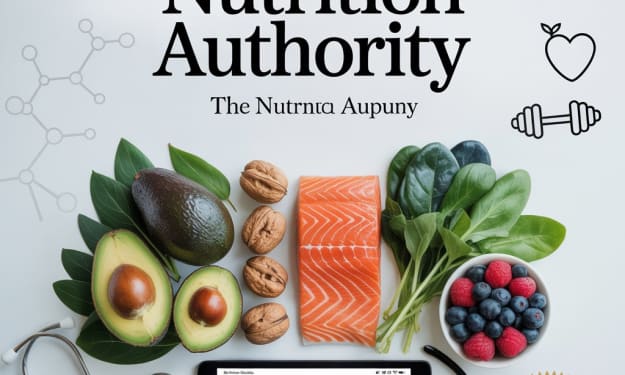
The Nutrition Authority
In today’s fast-paced world, where processed foods dominate grocery shelves and fad diets come and go, understanding the fundamentals of nutrition has never been more essential. Nutrition isn’t just about losing weight or building muscle—it's about fueling your body, protecting your long-term health, and improving your quality of life. The Nutrition Authority seeks to demystify the science of food and empower you with evidence-based knowledge to take control of your health. Understanding the Role of Nutrition Nutrition is the science of how food affects the body. It influences everything from energy levels and brain function to immunity and disease prevention. Macronutrients (carbohydrates, proteins, and fats) provide the energy we need, while micronutrients (vitamins and minerals) support vital functions such as cell repair, immunity, and hormonal balance. When your nutrition is on point, you sleep better, think more clearly, recover faster from illness, and feel more energized. Conversely, poor nutrition can lead to fatigue, mood swings, weakened immunity, and chronic diseases such as obesity, heart disease, and type 2 diabetes. Breaking Down the Macronutrients 1. Carbohydrates: Often misunderstood, carbohydrates are the body’s primary source of energy. The key is choosing complex carbs—such as whole grains, fruits, vegetables, and legumes—over refined sugars and white flours. Complex carbs digest more slowly, keeping you full longer and maintaining stable blood sugar levels. 2. Proteins: Proteins are the building blocks of muscles, tissues, and enzymes. Sources include lean meats, fish, eggs, legumes, dairy, nuts, and seeds. Adequate protein intake is crucial for growth, tissue repair, immune function, and maintaining lean muscle mass. 3. Fats: Healthy fats are essential for brain function, hormone production, and cell structure. Focus on unsaturated fats from sources like avocados, olive oil, nuts, and fatty fish. Avoid trans fats and limit saturated fats, which can increase the risk of heart disease. The Power of Micronutrients Vitamins and minerals may be needed in smaller amounts, but their impact is monumental. For example: Vitamin D supports bone health and immune function. Vitamin C aids in healing and improves iron absorption. Iron helps transport oxygen in the blood. Magnesium supports nerve function and muscle contraction. Eating a colorful variety of fruits and vegetables ensures you get a broad spectrum of micronutrients. Each color group represents different antioxidants and phytochemicals that support health in unique ways. Hydration: The Forgotten Pillar of Nutrition Water is often overlooked, but it’s critical for virtually every bodily function. Proper hydration helps with digestion, nutrient absorption, temperature regulation, and cognitive performance. Aim for at least 8 glasses a day, more if you’re active or live in a hot climate. Herbal teas and water-rich fruits like watermelon and cucumber can also contribute to your hydration goals. Debunking Common Nutrition Myths Myth 1: Carbs make you fat Truth: Excess calories make you fat, not carbs specifically. Whole-food carbs are vital for energy and brain function. Myth 2: Fat should be avoided Truth: Healthy fats are essential for overall well-being. It’s the processed trans fats that are harmful. Myth 3: You need supplements to be healthy Truth: Supplements can help in certain cases (like vitamin D deficiency), but they should never replace a balanced diet. Building a Balanced Plate A balanced diet includes a variety of whole foods in the right proportions. The Harvard Healthy Eating Plate offers a simple visual guide: ½ Plate: Vegetables and fruits (aim for variety and color) ¼ Plate: Whole grains (like quinoa, brown rice, or oats) ¼ Plate: Healthy protein (fish, poultry, beans, or tofu) Healthy oils: Use in moderation Drink: Water, tea, or coffee (limit sugar-sweetened beverages) Mindful Eating: Listen to Your Body Mindful eating is the practice of being present while you eat—paying attention to hunger cues, chewing thoroughly, and savoring each bite. It helps prevent overeating and fosters a healthier relationship with food. Avoid distractions like phones or TV while eating and learn to recognize the difference between physical hunger and emotional cravings. Special Diets: Are They Necessary? Diets like keto, paleo, intermittent fasting, or plant-based eating can work for some people, but they’re not one-size-fits-all. What’s most important is finding a sustainable approach that works for your lifestyle and supports your health goals. If you have specific conditions like diabetes or food allergies, consult a registered dietitian for personalized advice. Nutrition Across Life Stages Nutritional needs change as you age: Children need nutrient-dense foods to support growth and development. Teens require more calcium and iron. Adults should focus on disease prevention and energy balance. Seniors may need more vitamin B12, calcium, and fiber. Adapting your diet to your life stage helps ensure long-term wellness. Final Thoughts: Becoming Your Own Nutrition Authority Being “The Nutrition Authority” in your life doesn’t mean being perfect—it means being informed. It means choosing whole foods over processed ones, listening to your body, staying hydrated, and aiming for balance instead of extremes. With the right knowledge and habits, nutrition can become a powerful tool to enhance every aspect of your life—from energy and productivity to longevity and disease prevention. So, whether you're starting your health journey or fine-tuning your habits, remember: small changes lead to big results. Trust the science, trust your body, and most importantly, trust yourself.
By Wasif islamabout a year ago in Longevity