health
Keeping your mind and body in check - popular topics in health and medicine to maintain a long and healthy life.
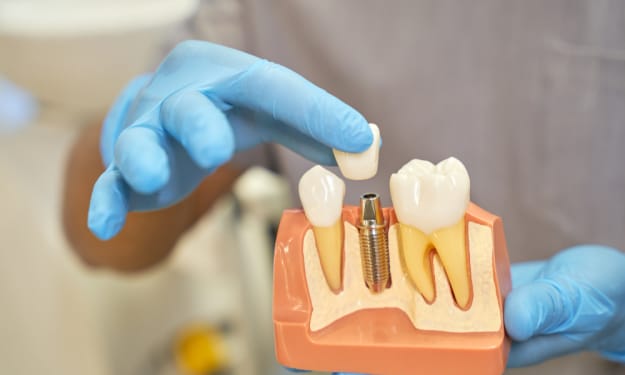
The Long-Term Benefits of Choosing Dental Implants
The loss of one tooth cannot be considered a purely aesthetic problem because it may influence one's normal chewing capacity, word pronunciation, and even the stability of one's jawbone. Although several alternatives exist for tooth replacement, dental implants are among the most long-lasting and secure solutions.
By Epsom Dental Careabout a year ago in Longevity
How Exercise Can Help You Live a Longer Life
Exercise has long been known to be beneficial for physical health, and recent studies have shown that it can also have a significant impact on one's lifespan. Engaging in regular exercise has been linked to a variety of health benefits, including a reduced risk of chronic diseases, improved mental health, and a longer lifespan. In this article, we will explore how exercise can help you live a longer life and provide tips on how to incorporate exercise into your daily routine.
By Zafar Iqbal Mohsinabout a year ago in Longevity
The Best Exercise for People with Arthritis
Arthritis is a chronic condition that affects millions of people worldwide. It is characterized by joint pain, inflammation, and stiffness. Arthritis can make it difficult for people to engage in physical activity, which can lead to weight gain, muscle weakness, and other health problems. However, exercise is an important part of managing arthritis. In this article, we will discuss the best exercises for people with arthritis.
By Zafar Iqbal Mohsinabout a year ago in Longevity
The Health Benefits of Exercise for Brain
Regular exercise is essential for maintaining physical health, but did you know that it can also have a significant impact on your brain health? Studies have shown that exercise can boost brain function, improve memory, reduce the risk of dementia, and even increase creativity. In this article, we will explore the many health benefits of exercise for the brain.
By Zafar Iqbal Mohsinabout a year ago in Longevity
Fast & Confidential STD Testing in Woodbridge, VA
Reliable & Discreet STD Testing in Woodbridge, VA: What You Need to Know When it comes to your sexual health, being proactive is key, and that starts with knowing where to get tested for STDs in Woodbridge, VA. Whether you’ve had recent exposure, are experiencing symptoms, or just want peace of mind, reliable STD testing services near you are readily available in Woodbridge.
By Nova Patient Care Woodbridge VAabout a year ago in Longevity
Trusted STD Testing in Arlington, VA: Fast, Confidential Care in Crystal City & Pentagon City
Your Guide to Fast & Confidential STD Testing in Arlington, VA If you’re living or working in Arlington, VA, and wondering where to get tested for STDs confidentially, you’re not alone. With its diverse and active population, Arlington residents, especially in areas like Crystal City and Pentagon City, need access to reliable, discreet, and fast STD testing services.
By NOVA Patient Care Crystal City Arlington VAabout a year ago in Longevity
Confidential STD Testing in Alexandria, VA
Looking for STD Testing Near You in Alexandria? Living in Alexandria, VA, means having access to excellent healthcare options, but when it comes to something as sensitive as STD testing, it’s important to know exactly where to get tested for STDs near you with confidentiality and care.
By Nova Patient Care Kingstowne Center VAabout a year ago in Longevity
Reliable & Confidential STD Testing Near You
Why STD Testing Matters More Than Ever Sexually transmitted diseases (STDs) are more common than most people realize, and getting tested is a crucial step in taking charge of your health. Whether you’re experiencing symptoms or simply being proactive, knowing where to get tested for STDs is vital.
By NOVA Patient Careabout a year ago in Longevity
The Truth About Sugar
Start writing...The Sweet Beginning Tina loved sweet things. Chocolate after dinner, soda with lunch, and cookies before bed—it all felt like comfort. But one day, during a routine check-up, her doctor told her something that shook her world: “Your blood sugar is high. It’s time to cut back.” Tina was shocked. She never thought sugar could harm her so much. That day, she began learning what sugar really does to the body—and it changed her life. What Is Sugar, Really? Sugar is a type of carbohydrate that gives your body energy. It’s found naturally in fruits, vegetables, and dairy—but it’s also added to many foods to make them taste better. There are two main types of sugar: Natural sugar – found in whole foods like fruits and milk Added sugar – found in processed foods like candy, soda, cakes, sauces, and even bread Natural sugar comes with fiber, vitamins, and minerals. Added sugar comes with… well, just sugar. Why Do We Love Sugar So Much? Sugar makes food taste better. It gives your brain a quick reward, which can make you feel happy and even “hooked.” In fact, studies show sugar lights up the same parts of your brain as addictive substances. That’s why we often crave sugary snacks when we’re stressed, tired, or sad. But too much sugar can be harmful—even if it feels good in the moment. The Hidden Dangers of Too Much Sugar Too much sugar doesn't just lead to weight gain. It can also cause serious health problems, such as: Type 2 Diabetes – When your body can’t handle all the sugar in your blood Heart Disease – Excess sugar can raise your blood pressure and bad cholesterol Liver Disease – Especially from sugary drinks like soda and energy drinks Tooth Decay – Sugar feeds harmful bacteria in your mouth Skin Problems – It can lead to acne, aging, and dullness Over time, sugar causes inflammation in the body. That means your body is always fighting, which can make you feel tired, foggy, and unwell. Where Sugar Is Hiding You might think you're not eating much sugar—but many foods hide it in plain sight. Some surprising foods that often contain added sugar: Granola bars Yogurt (especially flavored kinds) Ketchup and salad dressings Bread and pasta sauce “Healthy” cereals Fruit juices and sports drinks Always check the nutrition label. Look for words like: sucrose, glucose, fructose, corn syrup, maltose, dextrose—these are all types of added sugar. How Much Sugar Is Too Much? The American Heart Association recommends: Women: no more than 25 grams (6 teaspoons) of added sugar per day Men: no more than 36 grams (9 teaspoons) per day Just one can of soda can have 40 grams of sugar or more—that’s over the daily limit in one drink. Tips to Cut Back on Sugar You don’t need to quit sugar completely, but cutting back can make a big difference. Here’s how: 1. Read labels – Get familiar with how much sugar is in your food 2. Drink water – Skip soda and juice 3. Choose whole fruits – Instead of fruit juice or candy 4. Cook at home – You can control what goes into your food 5. Go slow – Cut back little by little to avoid cravings 6. Find healthy swaps – Try yogurt with fruit instead of sugary snacks What Happens When You Reduce Sugar? Within just one to two weeks of eating less sugar, you may notice: More energy Better sleep Clearer skin Less bloating Improved focus Fewer cravings Your body starts to thank you—inside and out. Final Thoughts: Sweet, But Not So Innocent Sugar isn’t evil, but too much of it can hurt your health in many ways. The truth is, it’s everywhere—but with a little awareness and small changes, you can take control. Just like Tina, once you learn the truth about sugar, you can start making better choices. You don’t need to give up sweetness—you just need to find a healthier balance.
By Qaseem Ahmadzaiabout a year ago in Longevity
Botox for Migraines Side Effects
Botox for migraines side effects are an important consideration for anyone thinking about using this FDA-approved treatment for chronic migraine relief. While Botox has transformed the lives of many migraine sufferers, it’s not without potential risks. Understanding these side effects can help you make informed decisions, especially if you’re consulting a neurologist or migraine specialist about treatment options.
By john albertabout a year ago in Longevity